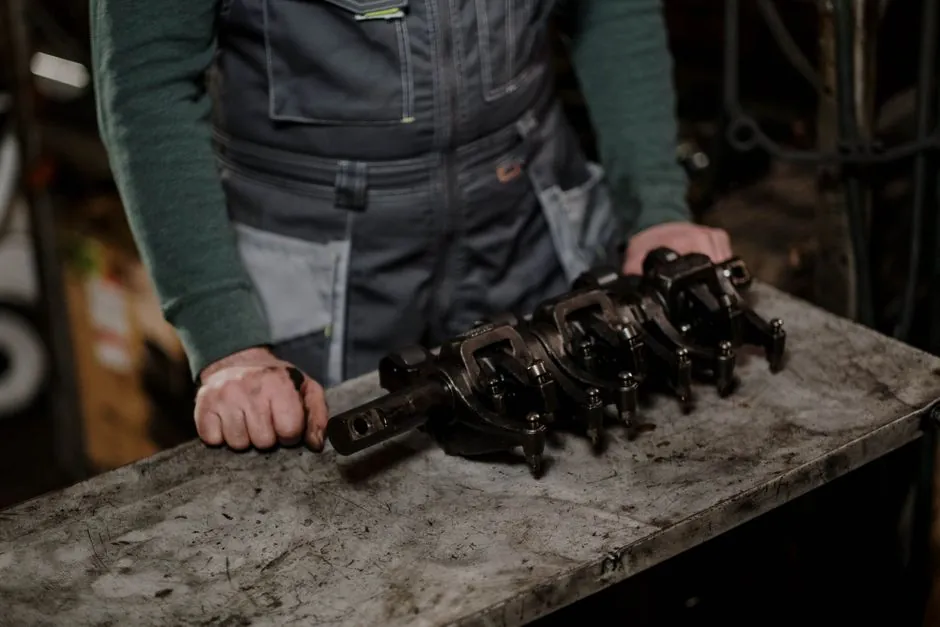
In hydrocarbon and chemical plants, the metal bellows mechanical seal is the default selection when process temperatures cross 150°C or media are flammable: edge-welded Inconel-718 and AM-350 bellows are rated up to 425°C and cryogenic to -212°C, while elastomeric O-rings on a spring pusher seal typically cap near 150°C and 20 bar [S3][S5].
The two architectures solve the same problem (axial/radial shaft compensation on rotating equipment) with different secondary-sealing elements, and that single design decision drives temperature ceiling, pressure ceiling, chemical compatibility, and maintenance cost. The table below lines the two against the criteria that matter on a hot-service pump sheet.
Architecture, materials, and where each design is rated
A metal bellows seal uses a thin-walled, edge-welded or formed corrugated element (typically 316L, Inconel-718, or AM-350) as both the secondary seal and the spring load generator; the bellows is welded to the stationary ring and the gland, eliminating any elastomer in the product-wet path [S5][S6]. A spring-loaded pusher seal, by contrast, keeps a single or stacked coil spring behind the rotating face and uses an elastomer O-ring or wedge (Buna-N, EPDM, FKM, FFKM) as the secondary seal, which is the component that limits both temperature and chemistry [S5][S7].
That construction difference is the entire reason the two are specified differently on hot-service datasheets. Edge-welded metal bellows are routinely published for -212°C to +425°C and well above 100 bar, with materials selected from corrosion-resistant alloys and specialty metals for cryogenic, oil and gas, semiconductor, and aerospace duty [S3]. Spring pusher designs sit at a typical ceiling near 150°C because the elastomer secondary seal hardens, extrudes, or pyrolyses above that point, and deposits from hot cracked media can physically block the spring coils and stall the seal [S5][S7].
Decision matrix: temperature, pressure, chemistry, and media risk
Use the four-axis comparison below to pick between the two on a real pump datasheet; only one axis needs to favour the bellows for the call to flip. [S3]
Temperature: edge-welded metal bellows, 425°C continuous, 815°C peak (per OEM material data), versus spring pusher with elastomer O-ring, ~150°C with Buna-N, ~200°C with FKM, ~325°C with FFKM/perfluoroelastomer. Below 150°C and on clean water, a spring pusher is fine and far cheaper [S1][S3][S5].
Pressure: metal bellows seals are commonly published above 100 bar because the welded metal secondary element can carry full balance pressure, while a spring pusher is usually held to ~20 bar unless rebuilt as a double seal or fitted with multiple springs [S5].
Chemistry and solids: with a fully metal secondary seal, bellows designs tolerate hydrocarbon pyrolysis products, light acids, and chlorinated streams that would attack an elastomer; spring pushers with Buna-N or EPDM wedges are restricted to lubricating, non-abrasive media [S1][S4][S7].
Media risk: hot cracked hydrocarbons and flammable fluids are an explicit bellows application, because the high-temperature pyrolysate that deposits inside a pusher spring cannot form on a clean welded-metal secondary seal [S7].
Failure modes that drive the high-temperature call
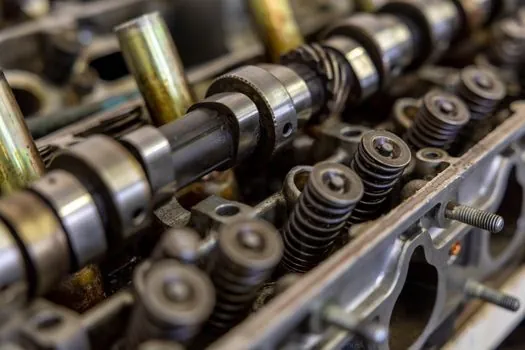
Recent failure analyses on bellows seals in hydrocarbon service trace root causes back to three mechanisms that are amplified, not caused, by the all-metal design: thermal distortion from rapid temperature swings that warp the face contact, fatigue fractures in thin-walled bellows under cyclic pressure, and pitting corrosion at weld joints in acidic or chlorinated streams [S4]. In a published case analysis of 80 failed bellows seals in hydrocarbon pumps, 44% of leaks originated from cracked weld seams, and the documented fix was upgrading to nickel-alloy bellows plus controlled thermal cycling at startup [S4].
Spring pusher seals fail differently but at lower temperature thresholds. The elastomer O-ring hardens and loses its follow-up, the wedge extrudes under pressure, or pyrolysis products coke the spring and lock the face open, which is why the engineering rule of thumb is to keep pushers below 150°C and away from hot hydrocarbon service [S5][S7]. A detailed reference for the underlying seal architecture is the mechanical seal page, which covers face materials, balance ratio, and secondary-seal logic that apply to both designs.
Vibration, misalignment, and installed-base reliability
Metal bellows seals compensate for axial, radial, and angular shaft movement through the bellows geometry itself, which is why they are common on hot pumps where thermal growth is significant [S1][S2]. They also pass machine stress more directly than a sprung design, so vibration and misalignment symptoms (concentric scratch marks, asymmetric face wear, bellows necking) appear earlier in the failure curve, and a 2023 multi-pump study reported that nearly two-thirds of bellows seal incidents started as occasional seepage and escalated to a major leak within one to three months [S4].
That earlier warning is useful, not a downside: it gives maintenance windows a chance to catch face wear at the 0.03 mm misalignment threshold and to upgrade filtration before the bellows itself is damaged. A 2024 industry report attributes 32% of premature bellows failures to installation error, and a chemical-plant case study extended seal life by 300% after a filtration upgrade stopped catalyst fines from scoring the faces [S4].
Selection by service, not by default
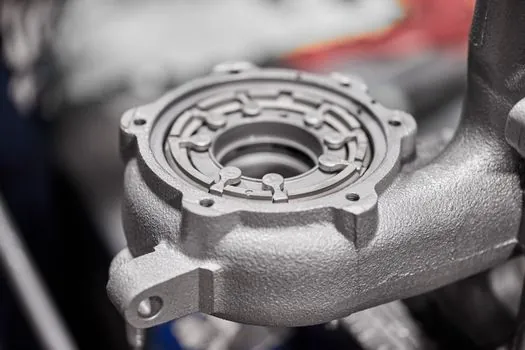
For hot hydrocarbons above 200°C, refinery hot oil, amine and absorber pumps, boiler-feed pumps, and any flammable media where an O-ring failure could ignite a leak, the metal bellows seal is the correct specification: edge-welded Inconel-718 or AM-350 bellows, balanced design, tungsten carbide or silicon carbide faces, with a flushed seal chamber and laser alignment during installation [S1][S3][S4][S7].
For water and wastewater, light chemical duty, food and beverage, and pump services that stay below 150°C and 20 bar, the spring pusher seal is still the right call, with an elastomer chosen for the specific chemistry (EPDM for hot water and steam within its limit, FKM for hydrocarbons, FFKM for aggressive solvents), and the cost saving is real, both at purchase and during routine service [S1][S5]. For a deeper look at the spring element behind pusher designs and how it compares with the bellows geometry, see the bellows seal reference page. Engineers also comparing the metal wetted-path options should review the metal material grade index, since bellows alloy (316L, Inconel-718, AM-350, Hastelloy) drives both temperature rating and corrosion allowance.
Standards and specification discipline
On a hot-service datasheet, specify the bellows architecture (edge-welded rather than formed, where pressure and life demand it, because formed bellows have higher spring rates and larger deviations), name the alloy, state the operating and design temperature window in °C, and quote the published balance ratio. Match the material set to the process via NACE MR0175 for sour service and via ATEX/IECEx zone classification if the surrounding area is flammable; never accept a generic "high-temperature" rating without a quoted alloy and a temperature number. [S3]
Two trackable signals to watch: (1) rising adoption of laser-etched cooling channels on tungsten carbide faces, which cut peak seal-chamber temperature by 18-22°C versus older SiC/SiC pairings and are now appearing on refinery hot-pump retrofits [S4]; (2) wider use of nickel-alloy bellows upgrades in place of standard 316L when weld-joint pitting is seen in chlorinated or acidic service [S4]. For context on how bellows and pusher logic compare with other elastomer-driven seal choices, the EPDM grade selection for gaskets and seals article is a useful adjacent read, and for zero-emission pump architectures that often sit downstream of these seal decisions, see the mag-drive vs canned motor pump cutoff comparison.