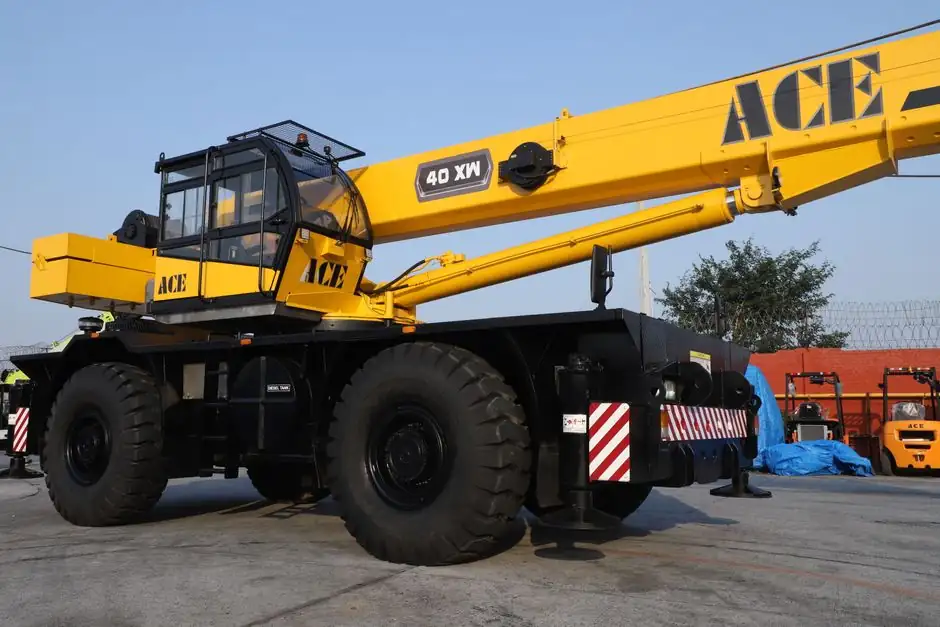
Published operated mobile-crane rates run from $155 per hour for a 23-ton boom truck to $595 per hour for a 275-ton crane, and final bills may include travel, freight, support trucks, rigging equipment, permits, fuel, overtime, or additional crew.
Rental availability must be checked against capacity class, minimum billing hours, crew configuration, mobilization requirements and the contractor’s own operator resources, because an advertised hourly rate is not a complete project price [S1][S2][S3].
What Controls a 2026 Mobile-Crane Rate
A published rate sheet spans $155–$595 per hour across the crane classes it lists.
Duration, location, crane type, lift capacity and whether the quote includes an operator all affect the price [S2]. Availability is also determined by fleet age, machine location, mobilization distance, permits and the configuration needed for the lift, rather than by nominal tonnage alone.
For crews planning equipment lifts or structural work, the mobile crane category includes boom trucks, truck-mounted cranes, rough-terrain cranes and all-terrain cranes with different mobility and setup characteristics.
Operated Rates by Capacity and Crew
Published mobile-crane sheets show a clear capacity ladder. A 23–30 ton boom truck is priced at $155–$175 per hour, a 40–75 ton crane at $175–$310, a 100–210 ton crane at $275–$550, and a 275-ton crane at $595 [S3]. These are local examples, not national averages [S3].
Minimum Charges Can Exceed the Planned Lift
A short lift can still trigger the full minimum charge. Published examples place the crane-and-crew floor at $465–$3,200 before add-ons, while the crane classes themselves carry minimums from 3 hours for small boom trucks to 8 hours for larger units [S3]. A one-hour task on an 8-hour machine can therefore cost eight times the quoted hourly rate before travel or other extras.
Minimum billing, not the planned working duration, should drive the comparison between quotes.
Port-to-port billing can add 1.5 hours for a 45-minute one-way journey from the yard, measured round trip, when travel is charged at the full hourly rate [S3]. Delivery, pickup, travel and overtime must therefore be identified separately in every quotation.
Availability Is More Than an Open Calendar
A crane is practically available only if the selected model, boom length, counterweight package, operator crew and required support equipment can be confirmed for the planned date. A large all-terrain lift may also require counterweight hauling, permits, escorts, assembly crews or a second crane [S3]. Those requirements can narrow fleet availability more than the headline capacity class suggests.
Availability at those classes depends on specialized fleet deployment, not simply finding an empty rental yard.
Contractors comparing a crawler crane with a wheeled mobile crane should include mobilization constraints in the decision.
Operated or Bare Rental

Operated and maintained service bundles the crane, a certified operator and company maintenance, while bare rental provides equipment only and places operator wages, inspections, maintenance, insurance, fuel and site supervision on the customer [S1][S2][S3]. Bigge states that its operated and maintained service is available in California and parts of Utah, while bare rentals are available across the United States [S2].
Public agency schedules illustrate the cost gap. The Caltrans schedule effective September 1, 2026 through March 31, 2027 also excludes operator cost [S1].
Bare rental is practical for a contractor with qualified operators and a machine that can remain on one site for months. It is a poor fit for a one-day pick without an existing crane crew, because the missing operator and operating costs can exceed the apparent saving. Equipment-only rates cannot be compared directly with operated quotations.
Criteria Comparison for Rental Options
Cost, minimum exposure, equipment suitability and administrative burden should be compared separately. Hourly cost favors the smallest machine that satisfies the lift chart; minimum exposure favors jobs long enough to use the full minimum; equipment suitability rules out a low-cost crane that cannot reach or safely handle the load; administrative burden increases with permits, travel, support trucks and additional crew [S3].
Load Charts and Project Exclusions
A crane’s maximum tonnage applies only under its specified chart conditions, not at every radius, boom length or outrigger setup. Capacity changes with load distance, boom geometry, counterweights, lift direction, attachments, wind, hook weight and rigging weight [S3]. The crane company must provide the applicable load-chart capacity, and the operator must not exceed it under 29 CFR 1926.1417 [S3].
Rate sheets may also exclude travel, freight, support trucks, rigging equipment, permits, fuel, overtime and additional crew [S3]. One Texas schedule adds a 7% fuel surcharge, while a Virginia worksheet charges for travel from the yard and back [S3]. These exclusions can erase the apparent value of a low headline rate.
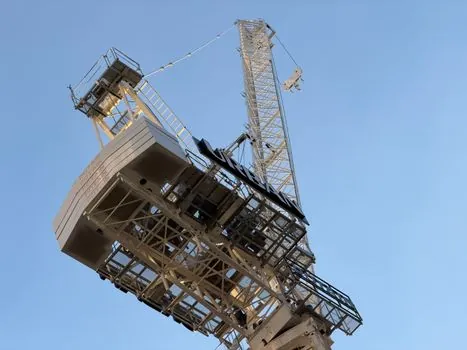
For a lift plan, the procurement check should request the exact crane make and model, operator count, minimum hours, overtime multipliers, fuel basis, delivery and pickup terms, permits, rigging scope and the applicable load chart. If the overhead bridge crane can perform the task, compare its installation and structural requirements before accepting a mobile-crane rental with four to eight billable hours.
Track two quotation variables before approval: the confirmed mobilization date for the specified machine and the all-in minimum charge including operator, travel, fuel and permits. If either changes before the lift, reprice the job rather than treating the original hourly rate as fixed.