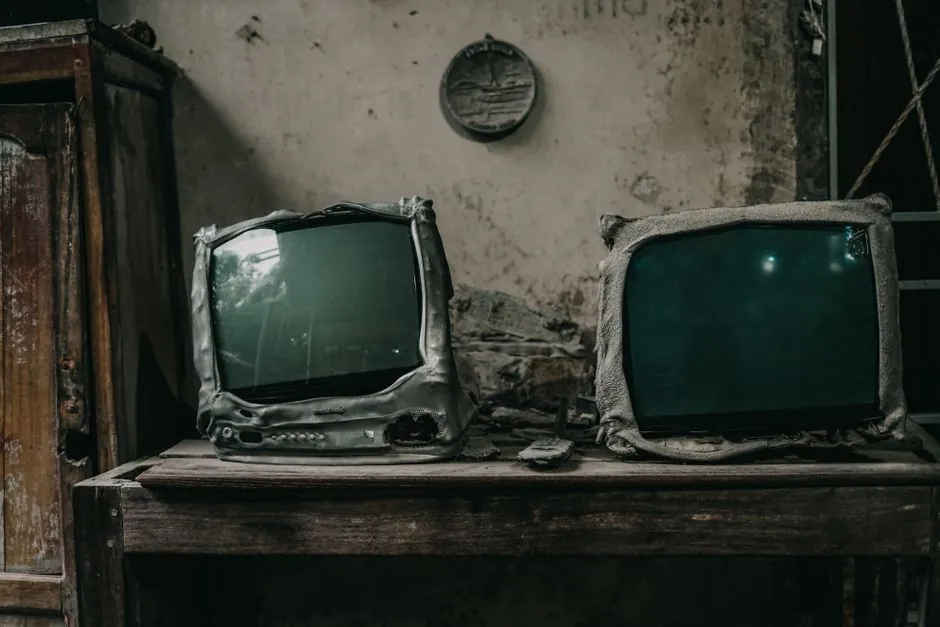
When an LCD model is discontinued while host equipment remains in service, the resulting supply gap can require redesign, testing, and approval and can contribute to spare-parts depletion [S2][S1].
Procurement teams need a documented lifecycle plan covering panel selection, last-time-buy timing, approved alternatives, inspection consistency and change notification for transportation, industrial-control, medical, marine and outdoor systems [S1][S3][S4].
Industrial LCD Availability Mismatch
Industrial displays normally serve longer than consumer panels, but each product line has its own end-of-life date rather than a universal availability period [S1]. An EOL notice identifies when the panel will no longer be available and normally states the date for the last purchase [S1].
The core mismatch is that manufacturers may phase out older LCD models while industrial systems remain deployed long term, creating end-of-life management challenges [S2]. Industrial products can also remain on the market for 8–15 years, longer than the component supply window assumed by an OEM [S4].
This exposure is not limited to a factory workcell. Transportation equipment, industrial controls, kiosks, field devices and remote installations may retain displays long after headquarters upgrades, and replacing an entire fleet or installation also requires consistent parts, software configurations and operator training [S1][S6].
Select Screens by Deployment Evidence
Industrial product lines are the correct starting point for 10-year deployments because their availability and configuration controls are better aligned with long-life equipment than consumer-panel supply [S1]. CDTech states that its TFT LCD solutions include 10-year supply guarantees for high-stability panels used in 24/7 harsh environments, but environmental suitability still needs to be matched to the installation [S3].
Sunlight-readable systems require separate optical validation. That advantage does not eliminate the potential for redesign, firmware adjustments, and mechanical revalidation [S4].
Simple character LCDs can offer unusually long interchangeability because HD44780-interface modules have remained established and interchangeable for decades, although it may be optimistic to expect them to remain available for additional decades [S5].
Compare LCD, VFD, LED and OLED Choices
Display selection must balance longevity, functionality, and supply risk rather than rely only on advertised life, and HD44780 character LCDs are noted for long-established interchangeability [S5].
Component longevity alone cannot resolve the decision because an industrial display can lose its supply when its exact model is discontinued [S2].
Plan the Last-Time Buy and Spares
A lifetime buy must precede the supplier's stated final-order date and cover the quantities needed for new production, repair stock and field replacement rather than only the immediate build [S1]. A controlled approach follows end-of-life notices, places final orders for needed purchases or replacements, and includes display availability in the program requirements [S1].
A mid-program panel change can require redesign, testing, and approval on a tight timescale [S1].
An inventory spreadsheet without environmental, optical and interface qualification does not close the risk.
Qualify Replacements Before EOL
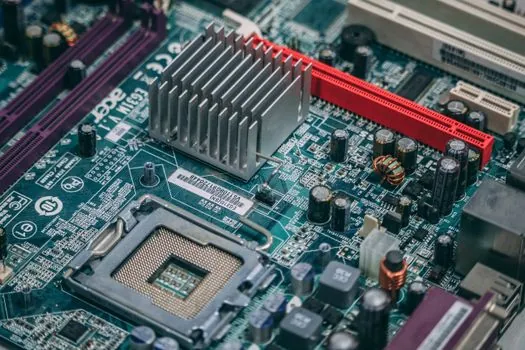
Identical replacement panels are rare because size, brightness, connector and mounting can differ, and any such difference may trigger renewed testing and approval [S1]. Ortustech panels are widely used in sunlight-readable industrial applications, and YOURITECH supports engineering-driven replacement solutions for discontinued modules [S4].
Replacement selection should compare mechanical compatibility, electrical interface matching and optical performance rather than selecting by diagonal size alone [S4]. Compact systems may use SPI or RGB interfaces with optional resistive or capacitive touch, while larger systems may use LVDS with long-life LED backlighting [S4]. These interface families are not interchangeable without the appropriate controller, firmware and electrical redesign.
For regulated equipment, component changes can create recertification costs in medical and aerospace applications [S2]. Quality systems such as ISO 9001, ISO 14001, ISO 13485 and IATF 16949 address different parts of production control, environmental management, medical-device continuity and automotive change management; they do not by themselves guarantee panel availability [S3].
Control Supplier and Quality Changes
The principal EOL risks are sudden discontinuation, component shortages and quality deterioration following supplier changes, each capable of disrupting a 10-year deployment [S3]. A long-term supply commitment must therefore cover more than unit price, including notice timing, approved manufacturing sites, material controls and the right to receive engineering-change information [S1].
Inspection consistency is a practical control because a panel change can alter panel-to-panel behaviour across an installed fleet [S1]. A documented change-control process should identify the affected panel, mechanical revision, interface, optical limits, operating-temperature range and approval status before any material reaches production.
One published example linked IATF 16949 change controls to a 12.3-inch, 950-nit panel rated from -30°C to +80°C, while a separate 7.0-inch industrial IPS example used 1000 nits and optical bonding [S3]. These model-specific values illustrate why a generic industrial LCD description is inadequate for procurement: size, luminance, temperature range, bonding and certification status belong in the lifecycle specification [S3].
Match Lifecycle Plan to the Asset
Display EOL is unavoidable over a sufficiently long operating period, so the objective is controlled substitution rather than assuming a panel will remain available indefinitely [S7]. The approach suits transportation, industrial controls, outdoor kiosks, medical equipment, marine navigation and field instruments, particularly where a display is integrated into a custom enclosure or coupled to proprietary software [S1][S2][S4].
The same procurement method should be adapted for other long-life hardware by tracking component EOL notices across 20-year assets.
The next review point is the supplier's final-order date, not the date of the first field installation. Procurement should record the notice, required buy quantity, approved replacement, validation scope and remaining spare coverage, then reconcile those records against the expected 10-year service demand [S1][S3].