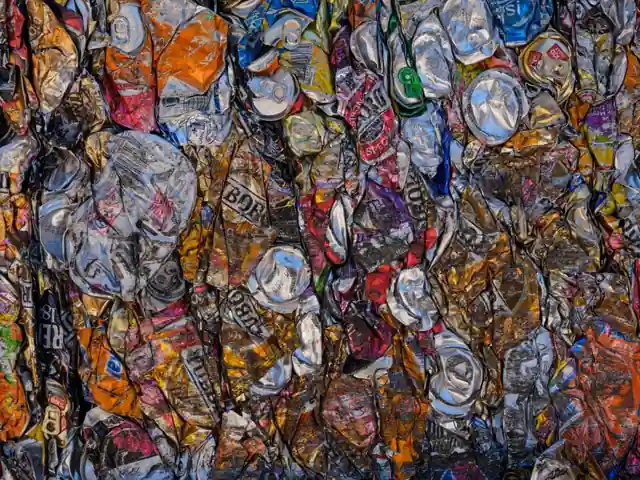
Low-carbon aluminium supply is expected to grow rapidly in 2026, yet the premium over conventional metal may not fall proportionally because certified low-emission tonnes remain tied to power availability, traceability and defined carbon boundaries [S1].
The market is operating around a common 4 t CO2e per tonne of primary aluminium reference, while stricter frameworks can require less than 3 t CO2e per tonne across the full cradle-to-gate chain [S3].
What qualifies as low-carbon aluminium in 2026
A product footprint of no more than 4 t CO2e per tonne of primary aluminium is the most common commercial reference for low-carbon branded aluminium, but no definitive standard combines a universal threshold with one mandatory measurement methodology [S3]. The International Aluminium Institute states that a carbon footprint of up to 4 t CO2e per tonne of primary aluminium is a common reference for low-carbon branded products, although there is currently no definitive low-carbon aluminium standard specifying both the carbon footprint threshold and the measurement methodology [S3].
Procurement teams should therefore distinguish the headline footprint from the organizational boundary, product form and verification statement. A nominal 4 t CO2e per tonne claim can cover mine to metal, cradle to gate, or only smelter emissions, and not every offer includes the same indirect emissions [S3]. For technical comparison, aluminium alloy identity, delivery form and application requirements still have to be assessed independently of the environmental claim.
Supply expands, but regional constraints persist
Low-carbon metal supply is expected to rise quickly in 2026, while premium reductions are less certain over the longer term [S1]. Low-emission primary production remains concentrated in regions with access to hydropower, including Canada, Iceland and New Zealand, because renewable electricity is not equally available to smelters worldwide [S4].
Hydro reports recycled aluminium products with an average carbon footprint below 4 kg CO2e per kilogram of aluminium, equivalent to less than 4 t CO2e per tonne [S2]. This recycled route demonstrates a much lower declared footprint than primary-aluminium benchmarks of 12.2 to 18 t CO2e per tonne shown in the IAI landscape [S2][S3]. Availability, however, depends on scrap collection, remelting capacity, alloy yield and the ability to document the resulting product, not simply on the nominal footprint.
Primary supply and recycled supply should not be treated as interchangeable in a 2026 purchasing plan. Their carbon accounting methods, traceability chains and volume constraints differ, and the buyer must decide whether the specification is based on absolute emissions, mass balance, recycled content or a combination of those requirements [S2][S3].
Premium mechanics depend on proof and scarcity

Low-carbon aluminium has an established premium market, while low-carbon copper remains at an earlier stage with smaller trading volumes concentrated mainly in Europe [S4]. Aluminium benefits from established familiarity with emissions-linked premiums, direct exposure to electricity carbon intensity, recyclability and a more developed verification market [S4].
Reliable documentation can strengthen a producer's negotiating position, but documented performance alone does not establish willingness to pay: material availability and supply security can override an emissions advantage [S4]. Buyers also need comparable life-cycle assessments and emissions reporting, so the verification boundary directly affects price comparability [S4].
Fastmarkets expects a significant increase in low-carbon metal supply, but does not expect premiums to follow a straight long-term decline [S1]. In practical terms, premium compression is more plausible for products with interchangeable claims, similar alloy specifications and multiple qualified suppliers than for constrained low-emission primary metal tied to selected hydropower regions [S1][S4].
Primary, recycled and near-zero routes compared
Hydro's recycled products offer an average footprint below 4 kg CO2e per kilogram of aluminium [S2]. Commercial low-carbon primary aluminium commonly uses a 4 t CO2e per tonne reference, with third-party verification and mine-to-metal or cradle-to-gate traceability depending on the offer [S3].
The comparison is direct on four procurement criteria. Recycled aluminium has the lowest disclosed footprint in the cited product set, but its availability depends on scrap and remelting networks. Commercial primary aluminium offers more standardized low-carbon grades, but a 4 t CO2e/t claim may cover only selected scopes.
Price and emissions should be compared as separate dimensions. The market value estimate places the global low-carbon aluminium market at $90.75 billion in 2023 and projects $171.18 billion by 2034, a 5.97% compound annual growth rate over the 2024–2034 forecast period [S5]. That expansion indicates commercial growth, not a quoted 2026 premium percentage, so buyers should not convert market size into an assumed green discount.
Where the 2026 premium can and cannot apply
A green premium is most defensible where the buyer has a quantified emissions reduction target, the product qualifies under a defined methodology, and fewer suppliers can meet the required scope, certification or delivery schedule [S3][S7]. Demand for low-carbon primary aluminium is being aggregated because customer demand and sensitivity to green premiums, particularly willingness to pay, determine commercial uptake [S7].
The premium is harder to defend when the low-carbon designation is used as a generic sustainability description without a consistent threshold, when Scope 3 exclusions leave most lifecycle emissions outside the comparison, or when identical qualifying material is available from several suppliers [S3]. It is also inappropriate for buyers that require certified emissions data but do not have a product-eligibility rule or procurement budget for the difference.
Low-carbon aluminium is therefore not for every aluminium application. It fits automotive, construction and packaging buyers with product-level carbon goals, especially where material efficiency is also valued because aluminium supports lightweighting and recyclability [S5]. It is less relevant to unfocused spot purchases, projects without emissions thresholds, and applications where conventional aluminium alloy performance, price or delivery timing is the only decision criterion.
Sourcing data before accepting a 2026 premium
Every quotation should separate the LME aluminium price, conversion or fabrication cost, logistics, and the low-carbon premium. Buyers should request at least the product form, alloy designation, delivered quantity, production route, footprint in t CO2e per tonne, organizational boundary, production site, verification body, verification statement and validity date [S2][S3].
Three checks can prevent an incorrect premium calculation. First, normalize all footprints to t CO2e per tonne of aluminium, so Hydro's kg CO2e/kg format can be compared directly with t CO2e/t figures [S2][S3]. Second, confirm that scope coverage matches the buyer's methodology rather than accepting a matching headline threshold [S3]. Third, validate delivery availability, because low-carbon supply remains geographically concentrated and a premium quotation without a credible supply plan is not a procurable option [S4].
For landed-cost planning, the interaction between metal premium, conversion cost and freight can be reviewed through Aluminum Extrusion Container Landed Cost in 2026. The next trackable signals are the number of verified producers offering comparable scope boundaries, the volume of low-carbon primary aluminium outside hydropower-linked regions, and whether buyer contracts begin moving away from the broad 4 t CO2e/t reference toward sub-3 t CO2e/t cradle-to-gate criteria [S1][S3][S4].