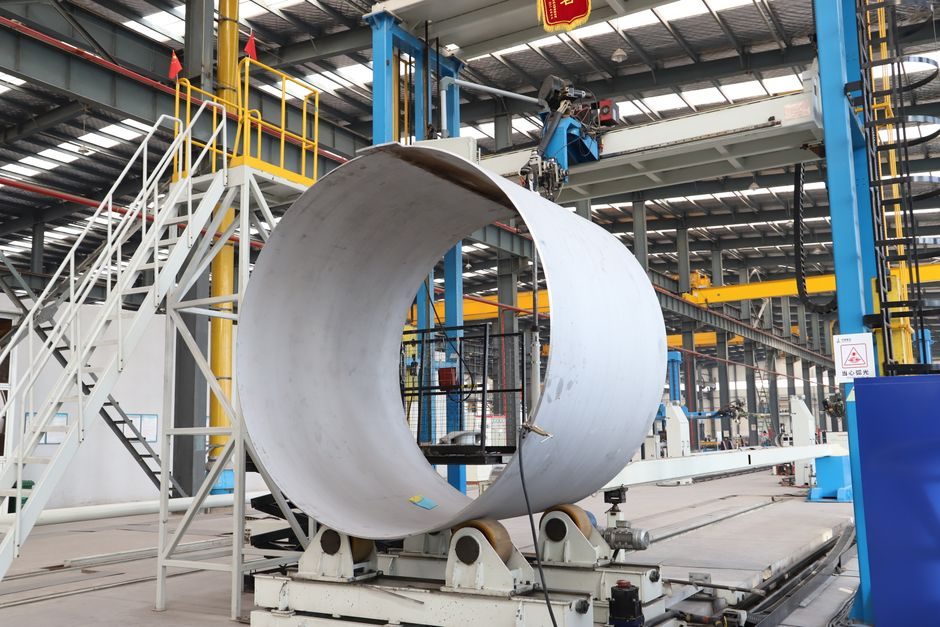
China-headquartered mills led by TSM Technology (3 factories, 8 production lines, 100+ machines, combined output 100-300 tons/month) and Jaiman Metalloys LLP in India together form the largest mid-2026 supply pool for Monel, Inconel and Hastelloy stock, with the Made-in-China index listing 6+ verified mill offers across bar, sheet, tube and dental grades [S6][S8].
On price, Chinese mills quote expanded-alloy CO257/4J34/Ni29Co20 round bar at US$ 24.00/piece for 10-300 mm diameter (custom sizes on request), dental Ni-Cr porcelain alloy at US$ 35.00-75.00 per 10 kg (MOQ), and Indian fastener lines at ₹150-200/kg on 10 kg MOQ with high-tensile silver finish [S2][S3][S5].
Product Forms and What Each Mill Actually Ships
Round bar, sheet, plate, coil, pipe and tube dominate the B2B catalogue, with Jaiman Metalloys explicitly listing pipes, tubes, sheets, plates, coils and round bars in Monel, Inconel, Hastelloy, stainless, duplex-stainless and titanium families for global export [S8]. TSM Technology cross-lists a titanium Grade 5 line at 5 tons/month alongside its nickel-alloy capacity of 100-200 tons/month for the lighter mill, signalling dual nickel/titanium strategic stock-keeping [S6]. Dental-grade Ni-Cr (Henan Shengbang, SunDent) is a parallel sub-segment at US$ 35-75 / 10 kg, distinct from industrial bar stock [S5]. For a refresher on the metallurgical family itself, the nickel alloy encyclopedia page groups Monel, Inconel, Hastelloy, Nimonic and Ni-Co-Cr dental grades under one specification tree.
Sheet finishing is typically polished, 0-5 mm thickness, in the Indian exporters' catalogue, with supply-type marked as "Manufacturer" rather than trader, a key filter when auditing vendors [S10]. Shanghai-based mills on Made-in-China list vacuum-furnace nickel and Monel 400/ASTM B127 propeller-shaft bar as flagship SKUs, with prime-grade (not scrap-remelt) raw material declared as a differentiator [S4].
Capacity, Lead-Time and Cluster Geography
TSM Technology's three-factory footprint delivers 100,000-300,000 unit annual throughput and 100-300 tons/month nickel-alloy output, paired with on-time-delivery certification on Made-in-China — a useful filter when shortlisting vendors with documented dispatch performance [S1][S6]. Indian suppliers on ExportersIndia similarly display 10 kg-class MOQs that allow sample validation before bulk release, and 0-5 mm polished sheet is held as ready stock rather than mill-to-order [S3][S10].
Jaiman Metalloys positions itself as an exporter (not a domestic-only stockist) covering stainless, duplex, titanium and high-nickel families — relevant when a buyer needs a single PO across mixed alloy families rather than four separate vendor audits [S8]. For a wider view of how nickel feedstock pricing feeds these semi-finished prices, the Nickel Price Trend and Outlook 2026 article tracks the LME floor and the China nickel-sulfate spread that ultimately sets the mill offer.
Price Bands by Form and Alloy Family
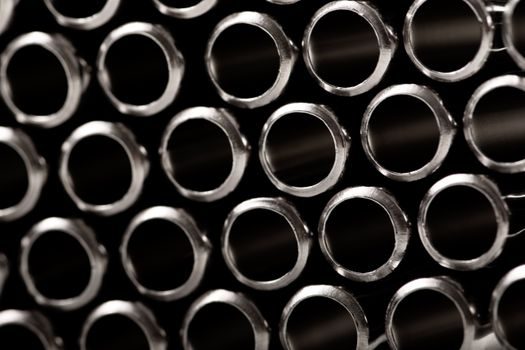
Cross-vendor pricing in mid-2026 (per the live index pages) clusters as follows: expanded CO257/4J34 round bar 10-300 mm at US$ 24.00/piece [S2]; dental Ni-Cr porcelain alloy at US$ 35.00-75.00 per 10 kg lot [S5]; Indian nickel-alloy fasteners at ₹150-200/kg on 10 kg MOQ, high-tensile silver [S3]. The wide dental spread (US$ 35 vs 75 for similar Ni-Cr chemistry) reflects grade-purity and trace-Cu content rather than dimensional tolerance, a typical pattern when two Chinese mills quote the same nominal alloy [S5].
Titanium-nickel hybrid offers (Ti-Ni shape-memory / biomedical grades) appear on Made-in-China with RoHS and CE marks (CE valid since 2025-06-30) and are listed separately from pure industrial nickel bar, which matters when a buyer is auditing dual-cert stock for medical-device builds [S1]. Buyers comparing nickel against other alloy families should also look at the alloy steel and titanium alloy reference pages to see how Cr-Mo and Ti-Gr5 lines sit in the same mill's catalogue.
Selection Criteria: Who Should and Should Not Buy From These Suppliers
These catalogues are a fit for: (a) volume buyers needing 10-300 t/month mill capacity with documented on-time delivery, (b) EPC and pressure-vessel shops needing Monel 400 / Inconel / Hastelloy round bar and sheet under ASTM B127-class specs, (c) dental-lab procurement at 10 kg MOQ with Ni-Cr porcelain chemistry, and (d) fastener OEMs needing high-tensile silver-finished 10 kg lots [S2][S3][S5][S6][S8]. They are NOT a fit for: aerospace-grade single-billet traceability (most listings are mill-batch, not forging-piece traceability), NACE MR0175 sour-service certification (the listing pages do not declare it), or sub-1 kg R&D samples (MOQs start at 10 kg) [S3][S5].
A direct comparison of the three most-quoted source types, against four buying criteria, reads: Chinese mill-direct (TSM, Shanghai Monel) — highest capacity (100-300 t/mo), CE/RoHS on select SKUs, mid price, lead-time quoted per RFQ; Indian mill-direct (Jaiman, ExportersIndia fastener lines) — strong export documentation, ₹/kg pricing, lower MOQ (10 kg), no CE on most SKUs; dental-grade specialist (SunDent, Henan Shengbang) — tight 10 kg MOQ, US$ 35-75 spread, Ni-Cr only, no industrial bar [S2][S3][S5][S6][S8][S10].
Standards, Certification and Verification Signals
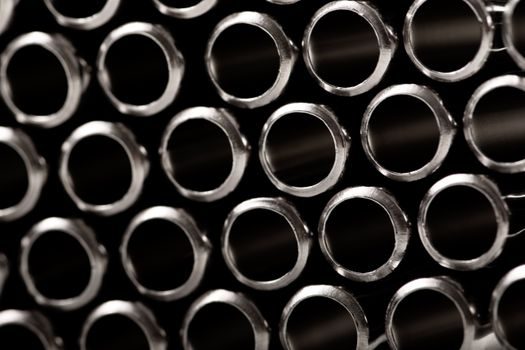
Visible certifications on the index pages are CE (valid since 2025-06-30 on selected Ti-Ni SKUs) and RoHS, plus Made-in-China's "On-time Delivery" badge, which is a platform-issued dispatch metric rather than a quality-system mark [S1]. ASTM B127 is named explicitly for Monel 400 plate/bar used in propeller and pump-shaft applications, and is the most-cited material standard on the Shanghai mill listings [S4]. No listing in the surveyed pages declares NACE MR0175 sour-service compliance, ASME Section II nuclear traceability, or EN 10204 3.2 mill-cert issuance — buyers needing those must request the mill test certificate (MTC) and EN 10204 type before PO release.
For adjacent alloy families and how they overlap with nickel in pressure-vessel and heat-exchanger builds, the alloy steel and aluminum alloy reference pages map the Cr-Mo and 2xxx/5xxx/6xxx/7xxx alternatives a sourcing team should benchmark against. Industrial buyers pairing nickel bar with rotating equipment (pumps, slewing rings) can also cross-reference the Slewing Ring Bearing Suppliers 2026 cluster map when Monel 400 shaft material and bearing races are being co-specified.
Limitations, Failure Modes and Risk Filters
Three failure modes recur in this segment: (1) grade mis-labelling on expanded alloys (e.g. CO257 vs 4J34 vs Ni29Co20 are three different chemistries but appear together in one SKU line on the index) [S2]; (2) trader-vs-mill ambiguity — the "Manufacturer" supply-type tag is the only platform signal that a listing is mill-direct and not a trading-house relisting [S10]; (3) MOQ-driven price jumps, with dental Ni-Cr showing a 2x spread (US$ 35 to US$ 75) inside the same 10 kg lot size, indicating chemistry-grade differences that are not visible in the listing title [S5].
Process engineers specifying nickel for sour service (H₂S, NACE MR0175) or nuclear (ASME Section III) should treat the surveyed catalogues as candidate mill lists only, not as qualified-vendor lists, and should request the MTC and EN 10204 3.2 certificate for each heat before release. For buyers comparing nickel-alloy bar against titanium alternatives in pharmaceutical or marine builds, the Best Titanium Alloy for Pharmaceutical Equipment article provides a side-by-side grade-selection logic that complements the nickel alloy reference page.
Trackable signals for the next sourcing cycle: (a) re-quote CO257/4J34 expanded-alloy round bar at 10 mm vs 300 mm diameter to map the mill's diameter premium; (b) request EN 10204 3.2 MTC from at least two of the surveyed mills before placing any pressure-vessel order, since none of the listing pages declares it; (c) monitor the dental Ni-Cr spread (US$ 35-75) for a 30-day rolling window to identify which Chinese mill holds the cleaner Cu-trace chemistry.