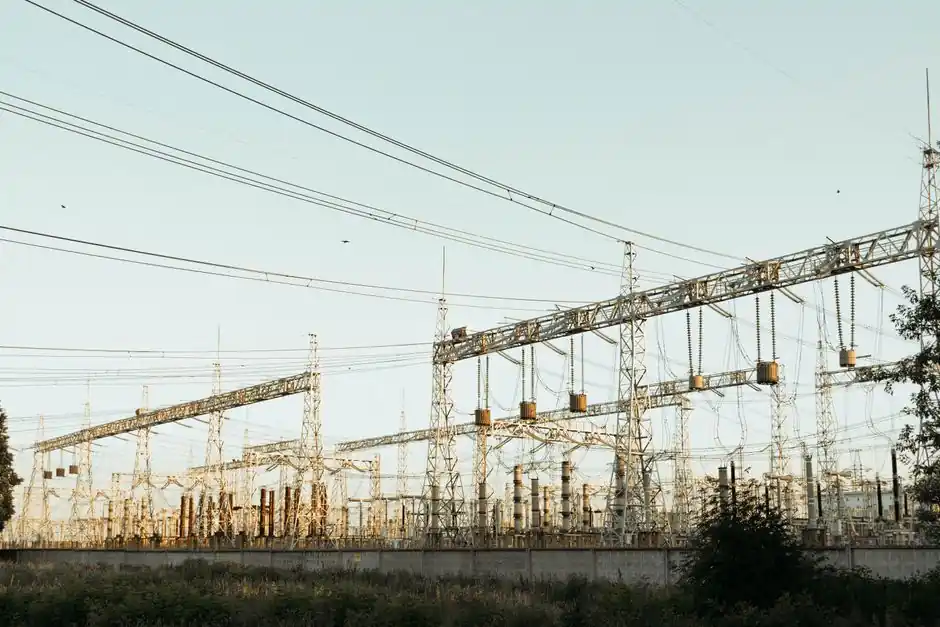
A data center can be built in 18 to 24 months, while grid-interconnection backlogs commonly extend five to six years and can reach 10 years or longer for large loads [S2][S4][S5].
The approach fits data centers and industrial sites that need capacity before utility service is available, while gas supply, emissions, equipment lead times and long-term operating economics determine whether it remains practical [S2][S3][S4].
When Onsite Gas Breaks the Grid Dependency
A grid interconnection queue is no longer merely a procurement milestone when the average request-to-operation period reaches about five years and up to 20% of planned data-center projects encounter transmission-driven delays [S5]. Large-load connections may require new transmission lines and substations, extending stated utility service timelines to 10 years or more, with one prospective PJM project assigned a 15-year timeline [S2].
Grid congestion is measurable at transmission-system scale. PJM projects waiting in the interconnection queue grew from 2017 to 2021 to 288 GW, while costs for active applications rose 800% over two years; MISO costs for queued applications tripled over the same two-year comparison [S1].
Onsite gas works when the facility can operate independently during the delay, fuel can be secured, and the plant has a defined role after grid service arrives. Grid-connected campuses still offer lower operating costs when available, especially when large-frame combined-cycle equipment can be delivered [S2][S4].
Options Compared by Speed, Scale and Supply Risk
Storage provides a different form of bridge because it shifts energy rather than generating it. Batteries can firm renewable output, support islanding and reduce the grid capacity needed at initial energization, but they do not replace firm generation for a continuously operating data-center load [S5].
The comparison is practical rather than universal: modular engines and fuel cells fit schedule-sensitive loads, large-frame combined cycle fits mature high-utilization campuses with adequate delivery time, and storage fits sites with variable generation or phased grid connections. The gas-supply chain is covered separately in Natural Gas, Ammonia and Fertilizer Supply.
Bridge Power Is Becoming Permanent Capacity
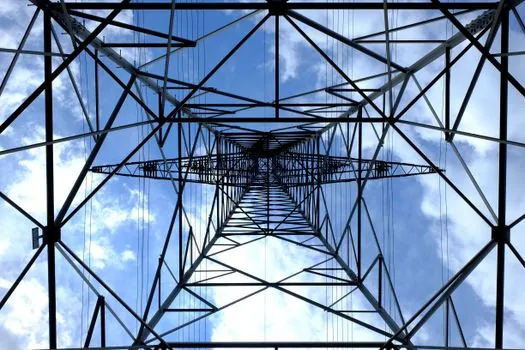
Enverus forecasts 25.5 GW of new US industrial behind-the-meter demand through 2030, including 22.5 GW, or 88%, from data centers; those projects represent about 36% of expected US data-center capacity additions [S4].
The decision hinges on whether grid service is genuinely temporary. “A bridge is supposed to end,” James Mercer said, adding that when utility service moves beyond five years of a 15-year lease, the onsite plant should be designed, permitted and contracted as primary power from the start [S2].
A permanent role changes the technical basis. Equipment selected only for speed-to-power may need later additions, including a more efficient generation stage, because an 8–15-year operating horizon offers more opportunity to optimize technology than a short bridge period [S2]. Fuel planning must also support long-term operation rather than a single construction phase [S3].
Who Should Use Onsite Gas, and Who Should Not
Onsite gas is suitable for data centers, campuses and industrial facilities with load schedules, fuel access and contractual protection against interconnection slippage. It can also support a staged construction sequence, with critical systems energized first and grid capacity added later [S3][S5].
It is less suitable where a firm grid connection is already committed, low heat rate and fuel efficiency dominate operating cost, or emissions restrictions make gas generation incompatible with the facility license. Grid or large independent generation can remain the better option for mega campuses when utility dates are reliable [S2].
A load letter or queue position does not constitute a committed energization date, so the commercial comparison should use the utility service date in writing [S2]. For monitoring combustion quality and stack performance, the gas analyzer reference covers the instrument class used for gas composition analysis.
Fuel Supply, Reliability and Operating Constraints
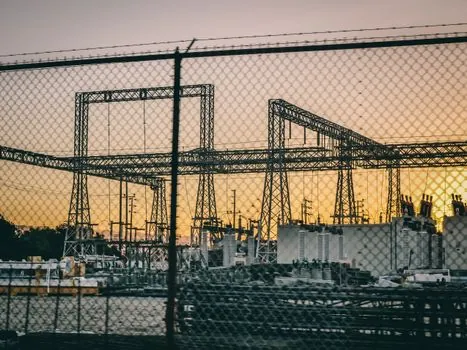
Onsite generation transfers the grid-connection schedule risk into a fuel and maintenance plan.
That modularity is useful where the load is still being phased, but it can expose the operator to more moving parts, maintenance planning and fuel logistics than a single large plant. A conventional gas-fired system also raises emissions and permitting questions that a bridge assessment must address before construction [S2][S3].
Gas engines and turbines require disciplined monitoring because combustion stability and air/fuel ratio affect efficiency, emissions and equipment condition. Dew-point transmitters can support moisture measurement where gas quality, fuel handling or air intake conditions require it, but the installed measurement specification must follow the equipment and utility requirements.
Phased Energization Reduces the Schedule Bet
Five practical responses to an interconnection queue are onsite generation, an islandable microgrid, storage, siting where power is already available and phased energization [S5]. Phased energization converts one multi-year gate into multiple operational milestones, allowing initial capacity to serve the business while utility approvals continue [S3][S5].
An islandable campus microgrid can maintain critical operations independently and then optimize against grid tariffs once utility service arrives [S5]. Equipment in an onsite plant can also be sized around the committed grid-service date, with additional capacity added if the committed date moves or customer load grows [S2].
Reliable metering and power-quality measurement become central when generation, storage and the utility operate in parallel. A power meter supports electrical accounting, while conductivity meters are relevant to process-water monitoring rather than the interconnection decision itself.
What to Verify Before Ordering the Plant
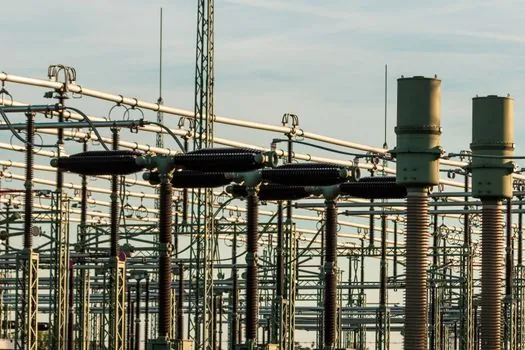
The strongest case for onsite gas is a documented load date, a substantial queue delay, a fuel plan secured for the intended operating period and equipment available within about 24 months [S2][S4]. These conditions make the plant a schedule-control measure with measurable economic value.
The weakest case is a speculative queue position without a firm utility date, because the site may incur fuel, maintenance and emissions costs for a bridge that extends indefinitely [S2]. Developers should also check whether generation can be replaced or expanded once grid service arrives and whether phased operation reduces the required overbuild [S4][S5].
Track two signals before making the final commitment: the contractual utility energization date and the delivered date for the selected generator package. If either moves beyond the planned bridge period, redesign the bridge as a permanent power stack and revise financing, permits and fuel contracts [S2][S3].