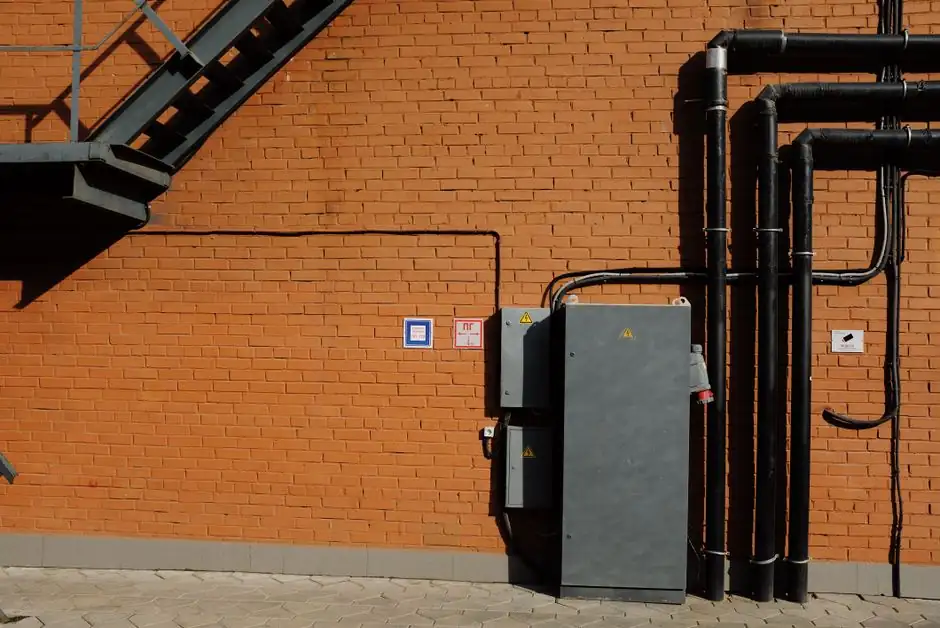
Large generator paralleling switchgear lineups typically require 16–30 weeks or more because each project is custom-engineered, while separate generator lead times range from 7 weeks at 250–400 A to 31 weeks at 4,000 A [S6][S7].
The procurement scope includes the switchgear lineup, generator controls, automatic synchronizing, load sharing, load shedding and any master plant controller, so quoting one equipment duration without defining the control boundary produces a misleading schedule [S2][S5].
Lead-Time Range and Cost of Customization
Custom engineering is the principal schedule constraint for large generator paralleling switchgear projects, with quoted lead times running from 16 to 30 weeks or more [S7]. The scope is commonly specified around generator common-bus, main-generator and custom configurations, each with different sequence requirements [S2].
Separate generator procurement follows a rating-based pattern: 7 weeks for 250–400 A, 10 weeks for 600 A, 14 weeks for 800–1,600 A, 20 weeks for 2,000 A, 23 weeks for 3,000 A and 31 weeks for 4,000 A [S6]. These figures describe generator lead times rather than switchgear delivery, so they should be added to the project logic rather than substituted for it.
Three Paralleling Architectures and Their Tradeoffs
On-generator controls combine synchronizing and basic generator control in one package-mounted microprocessor controller, making them economical for common-bus island operation or single-generator utility paralleling [S5]. Generator-mounted breakers or another disconnect means make the electrical connection part of the package architecture [S5].
A master-controller architecture is better suited to plants needing complex operating sequences, extensive load management or integration across multiple generator groups [S5].
Select the Control Boundary Before Pricing
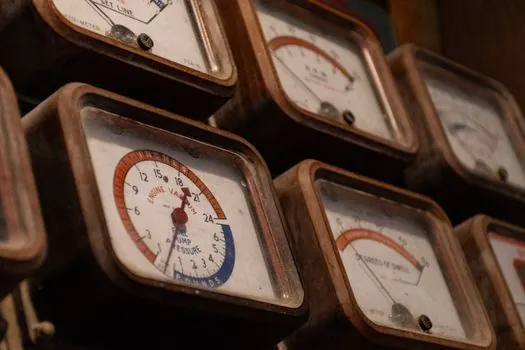
Generator plant reports display real-time metered values for each generator, and each paralleling switchgear can be assigned dedicated lead controls within the design [S2]. Specification work must therefore identify whether engine-start logic, synchronization, protection, metering, breaker control, load management, utility interlocks and the graphical interface are supplied by the generator package, switchgear or a separate automation contractor.
That advantage applies where the required sequence is already standardized; a custom sequence still requires functional definition, approval, interface mapping and factory testing before release.
Projects should not treat the diesel generator as a simple line item. Generator controls, paralleling controls and the plant master controller form a functional chain, and an interface mismatch can delay factory acceptance even when each hardware item has arrived.
Utility Paralleling and Priority-Load Recovery
A Cat applications configuration can place one generator on each side of a tie and restore power to Priority 1 loads in under 10 seconds before paralleling all generators across the tie [S3]. That performance depends on the configured sequence, available generation, switchgear interlocks and the transfer arrangement, so it is a design target rather than a generic product specification.
The 10-second restoration case demonstrates why sequence definition belongs in the procurement package. Engineers must identify Priority 1 loads, permitted restoration paths, generator availability assumptions, breaker operating permissions and the transition from selective restoration to full bus paralleling [S2][S3].
Approvals and Factory Coordination Are Schedule Inputs

Eaton’s 40-page generator paralleling switchgear design guide includes sections on general descriptions, generator paralleling switchgear, product standards compliance, applications and functional sequences, switchgear layouts, and low-voltage switchgear. A quotation that omits any of these boundaries is not comparable with a full-plant paralleling scope.
Large custom lineups need defined drawing stages, customer approvals, controller configuration, interface testing and factory acceptance. The 16–30-week or longer window cited for large lineups covers procurement and engineering work, but project-specific approval gates can extend the installed schedule [S7].
Critical Failure Modes During Schedule Compression
Separating master control from switchgear can simplify the design and reduce failure points, yet it introduces coordination dependencies between separate control packages [S1]. An incomplete interface schedule, late protection settings or unresolved utility-paralleling logic can therefore shift commissioning even when fabrication has finished.
Common execution failures include late approval of operating sequences, incomplete generator interlocks, missing communications mapping and confusion over the boundary between generator and switchgear controls [S2][S5]. Mitigation requires an approved sequence narrative, named responsibility matrix, frozen interface list, witness-test plan and a list of utility approval dependencies before factory release.
Procurement Strategy and Trackable 2026 Signals
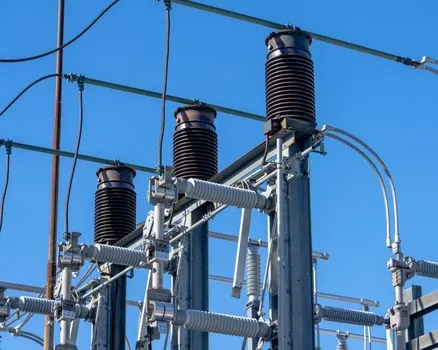
The market value for generator paralleling switchgear is projected to increase from $922.95 million in 2026 to $1,718.92 million by 2034, making supplier capacity and project-specific engineering commercially relevant to procurement planning [S4]. The projection does not establish a universal lead time, so buyers should request a dated quotation tied to the exact current rating, lineup configuration and control scope.
Track three signals on a weekly basis: confirmation of each generator rating against the 7–31-week range, identification of the master-control boundary, and the supplier’s manufacturing slot for the 16–30-week-or-more custom lineup [S6][S7]. These milestones provide a more reliable schedule than a general market lead-time statement.