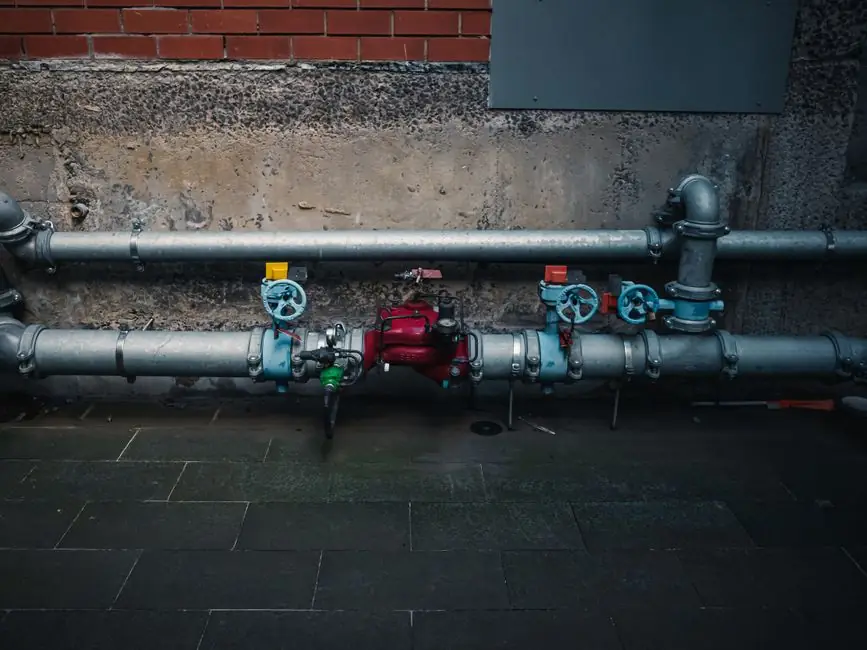
For gritty slurry, sludge, and corrosive chemical service, a pinch valve can provide throttling and isolation with an elastomer sleeve as the only wetted flow-path component [S3][S4].
Water-treatment applications span raw sewage, grit removal, digester sludge, lime slurry, chemical dosing, and effluent service; selection must address solids, pressure, actuation, and fluid compatibility rather than pipe size alone [S2][S5].
Define the service before choosing a pinch valve
A pinch valve closes by compressing a reinforced sleeve until the bore is shut, so the sleeve controls both sealing performance and resistance to abrasive or corrosive media [S7][S8]. Pinch valves are suited to process water, wastewater, sewage, sludge, grit, lime slurry, and biological media [S2][S5].
The principal selection inputs are fluid composition, solids content, particle abrasiveness, line pressure, required shutoff, control duty, and installation constraints. Pinch valves are used for isolation and throttling of gritty slurry and for throttling high-solids sludge [S4]. They can close drop-tight on solids without a traditional seat or packing arrangement [S3].
Automatic versions may use pneumatic, electric, or hydraulic actuation, while manual versions suit infrequent isolation. Type A pinch valves need no actuator and close drop-tight on solids, while the Series 75 Manual Pinch Valve is an ideal replacement for plug or ball valves [S3].
Compare the principal operating configurations
Manual pinch valves provide straightforward isolation, but operating effort and accessibility become important in large pipe sizes. The Red Valve Series 75 is listed as a full-bore valve with the sleeve as the only wetted part, removing packing replacement from the maintenance scope [S3].
Electrically operated pinch valves are suited to repeatable remote control. Electric actuation adds position feedback, interlocks, and fail-position requirements that should be defined before vendor selection.
Pneumatic pinch valves are compact and actuate rapidly, which supports cycling and timed control, but instrument air quality and fail-safe behavior must be specified. The related air-release valve should not be treated as a substitute for the pinch valve, although compressed-air availability can affect pneumatic actuator selection.
Match sleeve and body materials to the fluid
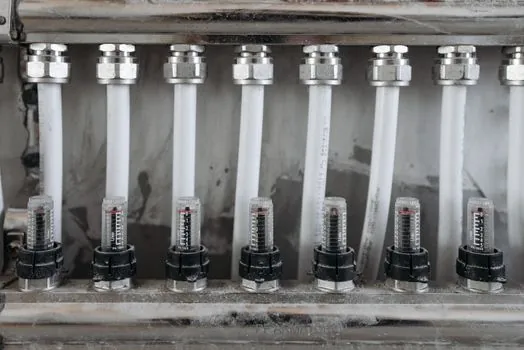
Elastomer selection is the central material decision because the sleeve is normally the only wetted part, isolating the valve body from sewage, sludge, grit, and chemicals [S3][S9].
No generic rubber or elastomer designation should be specified without checking the complete chemical inventory. Water-treatment streams may combine chlorine or hypochlorite, lime slurry, sewage, grit, and biological solids at different stages [S2][S3][S5]. A material compatible with clean reclaimed water may be unsuitable for concentrated alkali, oxidizing chemicals, or elevated temperature.
Pressure rating cannot be separated from sleeve reinforcement and body construction. Pinch valves are available in multiple pressure classes, and selection must align the stated class with sleeve reinforcement and body design [S8]. Verify the manufacturer's pressure-temperature table for the selected sleeve grade and end connection instead of transferring a generic class from another valve family.
Use a criteria matrix for water-treatment duties
Manual isolation is economical for infrequent shutdowns and avoids a powered actuator, but it offers no automatic response or remote position indication.
The comparison must therefore consider service type, medium severity, control accuracy, and utility availability rather than selecting the actuator independently of the valve.
A practical comparison is: manual isolation for low-cycle shutdown with limited control requirements; electric actuation for precise sludge or chemical-flow regulation and remote monitoring; pneumatic actuation for fast automated isolation where instrument air is available. For high-pressure clean water with no solids, a conventional isolation valve may be more appropriate, while the pinch valve earns its place where the sleeve isolates a wetted body from gritty or corrosive media.
Apply the valve across treatment stages
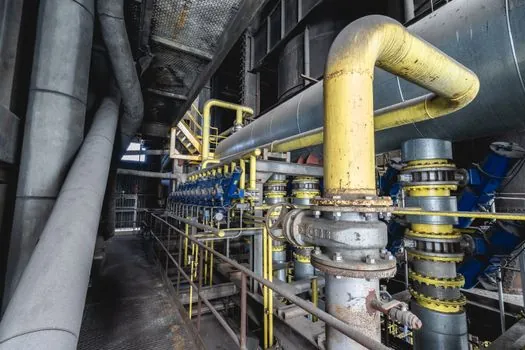
At grit removal, the valve must tolerate abrasive solids while providing isolation or throttling; the wastewater selection guide assigns pinch valves to throttling and isolation of gritty slurry [S4]. Series 75 and Series 5200E configurations are associated with wastewater duties, including chemical additions and long-term slurry throttling [S3].
At sludge handling, electric operation can regulate digester sludge and high-solids withdrawal, while manual versions can isolate lines during maintenance. Pinch valves are identified as capable of shutting off 100% tightly on grit chambers, primary sludge, secondary sludge, lime slurry, and milk of lime [S5].
At chemical feed and wash-water control, compatibility and controllability become more important than abrasion resistance. A pinch control valve has been applied to wash-water discharge from a standby pumping station, where pressure control was required [S6]. This is a control duty, so the specification should include the required pressure range, flow capacity, response, and fail action.
Set connections, actuation, and operating limits
End connections must match the treatment line and installation practice. AKO pinch-valve families are offered with flanged, internal-threaded, weld-on, tri-clamp, threaded-spigot, and hose-nozzle connections, including configurations for explosive-area use and vacuum conveying [S2]. Connection standardization does not replace pressure-class verification, particularly for weld-on or specialty spool installations.
The actuator package should specify fail-open, fail-close, or fail-last position, manual override, travel and cycle-life expectations, position feedback, and the electrical or pneumatic supply. The valve, actuator, and sleeve must form an approved operating envelope. A high-strength sleeve does not justify a body or actuator outside its rated pressure or temperature limits [S8].
Maintenance planning should treat the sleeve as a consumable item and record expected replacement frequency from actual cycle count, abrasive solids, and chemical exposure. The sleeve's reinforcement determines pressure capability, while chemical compatibility and abrasion resistance determine service life [S8][S9]. These are separate constraints and should not be combined into a single generic durability claim.
Verify supply, compatibility, and acceptance criteria
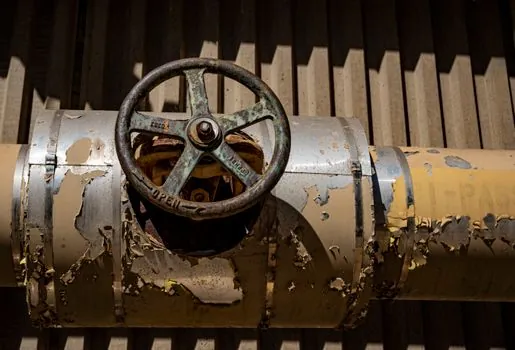
Prepare the vendor data package with at least 6 service conditions: normal and maximum pressure, normal and maximum temperature, fluid name, concentration, solids size and concentration, required shutoff, and throttling duty. The wastewater guidance specifically identifies slurry, sewage, sludge, grit, sodium hypochlorite, lime addition, and digester gas as distinct service challenges [S3].
Require certified product data to confirm the valve model, sleeve material, pressure class, temperature range, actuator type, end connection, coating, and available electrical or pneumatic accessories. The materials guide separates externally actuated pinch valves with one wetted flow-path component from configurations whose material arrangement must be checked by model [S9].
Factory acceptance should include open- and close-position verification, stroke or travel check, leakage testing against the specified shutoff class, and actuator signal simulation. For throttled service, document the operating point and verify that the selected sleeve and actuator are approved for partial opening rather than isolation duty alone.
The shortlist should contain one manual option for infrequent isolation, one electric option for controlled sludge or chemical service, and one pneumatic option for fast automated isolation. Compare each against the same pressure, temperature, chemistry, solids, connection, control, and acceptance matrix; reject any model with an unverified sleeve grade or pressure-temperature envelope.