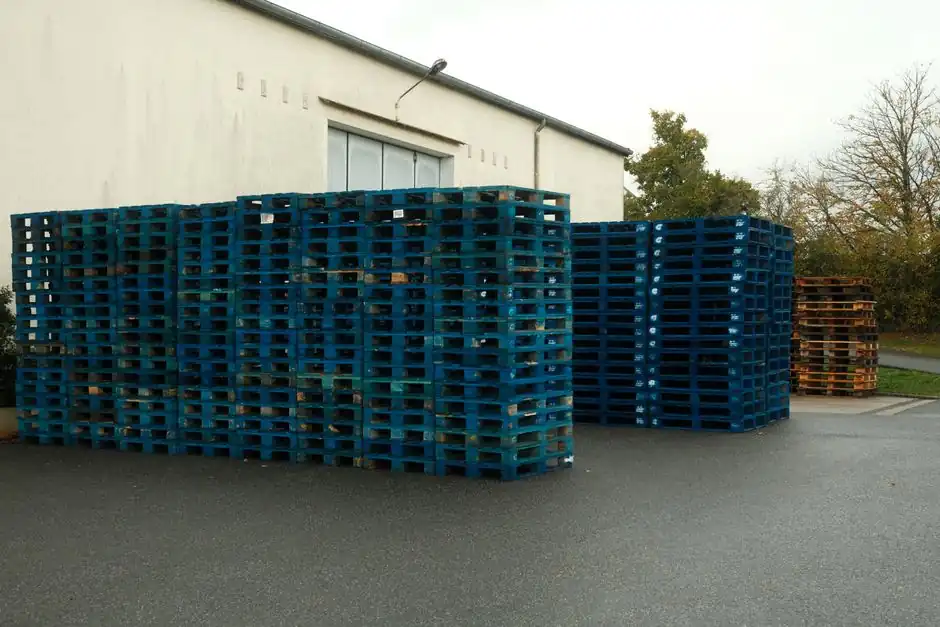
Injection-molded HDPE and polypropylene plastic pallets, manufactured in standard 48x40 in (GMA) and 1200x1000 mm (ISO/EUR1) footprints, dominate pharmaceutical distribution spec sheets because their non-porous surfaces eliminate the wood-pallet contamination pathways that have historically driven major drug recalls [S2][S4].
The shift away from wood in this sector is not cosmetic: regulatory pressure under FDA cGMP, ISPM-15 avoidance for export lanes, and the rise of cold-chain biologics (typically stored at 2-8 C) have pushed PE/PP pallets into a near-default position for primary distribution, with static load ratings commonly published in the 4,500-30,000 lb range and dynamic ratings in the 2,500-5,000 lb band depending on design [S2][S4].
Why HDPE and PP, and Why Injection-Molded
Polyethylene is the primary resin used in pharmaceutical-grade plastic pallets, with polypropylene as the secondary structural option, because both are inert, FDA-cleared for indirect food contact, and tolerate aggressive sanitizers (sodium hypochlorite, quaternary ammonium, isopropanol) without surface degradation [S7][S2].
Injection-molded pallets outperform structural-foam and rotational-molded alternatives in this application because the high-pressure process eliminates the internal air pockets that make foam pallets brittle under impact, a known failure mode in high-throughput distribution where a single cracked deck can shed particles into open drug containers [S4]. Smooth, non-porous top decks also resist bacteria, fungus, and pest harborage, which is the structural reason FDA- and cGMP-aligned sites move away from wood [S5][S4].
Footprint, Load Rating, and Rack Compatibility
The GMA 48x40 in pallet and the ISO/EUR1 1200x1000 mm pallet together cover the bulk of pharmaceutical specifications, with 30x42 in (760x1067 mm) used for direct-to-pharmacy drop shipments where the 53 ft trailer cube must be optimized [S4][S5].
Load capacity is published in three distinct values that buyers must not conflate: static (pallet at rest on the floor, often 4,500-30,000 lb), dynamic (pallet in motion on a forklift or electric pallet truck, typically 2,500-5,000 lb for injection-molded HDPE), and racking (open-deck span on a beam or drive-in rack, where unsupported top-deck designs fail well below their static rating) [S4]. Specifying a pallet for a drive-in or push-back rack without checking the racking figure is the most common way pharmaceutical DCs over-spec the pallet and over-pay, or worse, under-spec it and watch pallet decks sag into the beams.
Hygiene, Sterilization, and Cold-Chain Behavior
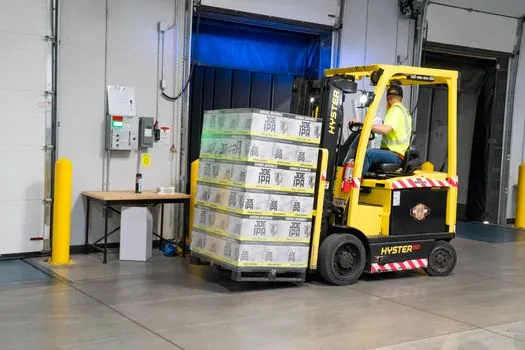
HDPE and PP pallets survive steam, hot-water wash, and the typical 70-80 C wash tunnel used in pharma wash bays, and they show near-zero moisture absorption, eliminating the mold pathway that porous wood presents in 2-8 C biologics storage [S2][S6].
For cold-chain SKUs, the thermal behavior matters: plastic pallets do not sweat condensate on entry to a cold room the way wood does, and their dimensional stability under repeated -20 C to +40 C swings keeps automated pallet stacker pick-face geometry consistent across shifts, reducing mis-picks and the associated product quarantine cost [S2]. The often-cited 2009-2010 Tylenol recall (over 54 million bottles, roughly $900 million in reported losses) traced contamination to a wood-pallet fungicide that degraded into 2,4,6-tribromoanisole, an event that hardened cGMP auditors against wooden pallets in any primary distribution lane [S5].
Automation, Traceability, and Pooling
Uniform 48x40 in dimensions and consistent tare weight (typically 15-20 lb for a nestable HDPE pharma pallet, 50-60 lb for an industrial rackable) allow robotic arms, ASRS shuttles, and pallet dispensers to pick and place without vision-correction routines, which is why injection-molded pallets are the default behind pharma distribution plastic pallet rack and miniload systems [S4][S5].
Pooled platforms (e.g. iGPS-style rental fleets) add RFID/GS1 tracking to the pallet itself, which simplifies DSCSA traceability for pharma shipments and removes the capital-tied-up cost of owning a captive pool; for higher-throughput sites the break-even typically lands at 1-2 loads per pallet per week [S5]. Smaller shippers running spot loads usually buy outright at higher unit cost but lower total logistics friction.
Where Wood and Other Pallet Types Still Fit
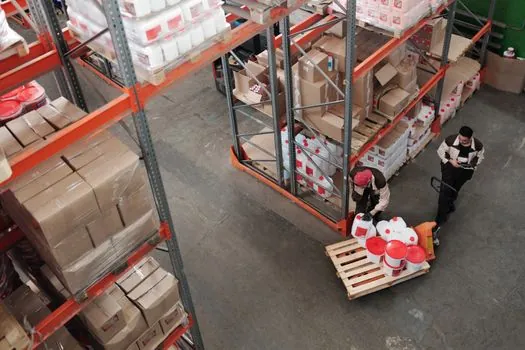
Block-style stringer wood pallets remain acceptable for non-sterile secondary distribution, hazmat air freight where export ISPM-15 heat-treatment is already in place, and low-value OTC SKUs where the audit risk of fungal or chemical migration is negligible [S2][S5].
Metal and composite pallets are rarely chosen for pharma DC work: stainless costs 5-10x an HDPE equivalent and adds tare weight that erodes payload on temperature-controlled trucks, while composite plywood-and-plastic hybrids reintroduce wood fibers and moisture pathways that defeat the hygiene case [S4]. A shortlist for a typical spec committee: injection-molded HDPE rackable (high static, low racking), injection-molded PP nestable (lowest tare, best for export), structural-foam HDPE (cheap, brittle, avoid for automated lines), and rental-pooled (capex-light, DSCSA-friendly). Cross-check on three criteria: racking load at the actual beam width, FDA-cleared resin documentation, and wash-tunnel temperature rating from the OEM datasheet.
Procurement and Standards Anchors
Pharma pallet buyers should anchor specs to four reference points: ISO 8611 (pallet performance and test methods, used to validate the static/dynamic/racking trio), ISPM-15 (heat-treatment for wood, bypassed when switching to plastic), FDA 21 CFR indirect-food-contact resin clearances, and cGMP/USP <1079> storage-and-distribution guidance, which auditors treat as the controlling document in this space [S2][S4].
Next signals to track: pharma-3PL RFP language shifting from "GMA pallet" to "injection-molded HDPE, FDA-cleared resin, RFID-enabled" in 2026 tenders, and OEM datasheets publishing racking curves per ISO 8611 rather than a single "rackable" number, both of which will tighten the spec and lift compliant supply. For deeper equipment context beyond the pallet itself, see this shaft coupling selection for food processing piece on washdown material logic, which mirrors the hygiene trade-offs pharma DC specifiers already apply to pallets.