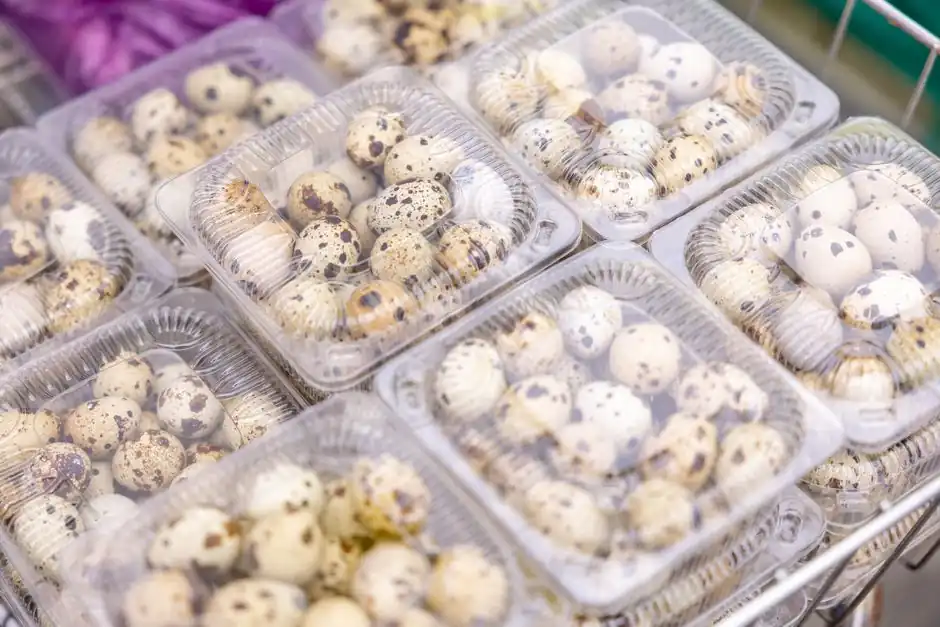
Food and beverage buyers in 2026 should treat pallet selection as a hygiene spec, not a logistics line item: virgin HDPE or PP construction, smooth non-porous decks, FDA/USDA food-contact acceptance, and validated wash-down ratings are the four hard gates, before any dynamic or racking load number is even read [S4][S5].
Wood pallets fail the hygiene gate on first principles: porous structure absorbs moisture, collects residue, splinters, and harbours bacteria and mould inside the deck [S4][S5]. Plastic pallets are non-porous, easy to sanitize, and resistant to moisture and bacteria, which is why FDA and USDA regulated facilities now specify them as the default [S5]. Compliance scope per supplier literature explicitly lists FDA approval for storage of food, beverages, and pharmaceuticals when virgin polyethylene is used [S8].
Material and Regulatory Floor: Virgin HDPE or PP Only
Food-contact plastic pallets are typically moulded from virgin HDPE or PP because both resins give stable, traceable, low-extractable contact surfaces and tolerate hot-water wash cycles better than recycled-content blends [S4]. FDA-approved plastic pallets in the market are made from virgin polyethylene and are approved for the storage of food, beverages, and pharmaceuticals [S8]. The same supplier literature makes the link to the U.S. Federal Food, Drug, and Cosmetic Act framework explicit, where "FDA approved" means the resin and additives are recognised as safe for food contact under Title 21 CFR conditions of use [S8].
Recycled-content pallets are not automatically disqualified, but a high percentage of recycled material is "usually not the first choice for direct food-related environments" because traceability, additive history, and extractables become harder to control [S4]. For beverage lines where bottles touch the deck, primary packaging, or where condensate drips onto the deck, virgin-resin specification is the safest spec line. For secondary packaging, dunnage, and non-contact export flows, a controlled recycled blend is often accepted, but the spec must still call out the food-contact use case [S4].
EU buyers should layer EU Regulation 1935/2004 and EU Regulation 10/2011 over the FDA framework, since those rules govern plastic materials and articles intended to come into contact with food in the European market, and a Declaration of Conformity must accompany the pallet at goods-in [S4].
Hygienic Surface Design: Smooth Decks, Closed Top, No Dirt Traps
A hygienic food-grade pallet should have smooth edges, no dirt-trapping holes, and no sharp corners, and should be easy to clean with hot water or standard sanitising chemicals [S6]. The engineering intent is to deny microbes a harbourage point: closed top decks, minimal ribbing on the contact face, and drain holes that are large enough to clear wash water but small enough not to entrap product [S4][S6].
For high-care zones (ready-to-eat meals, dairy, bottling halls), the spec line is a one-piece hygienic or solid-top pallet rather than a ventilated open-deck warehouse pallet [S1][S4]. ProStack's published range for food and beverage includes nestable plastic pallets, one-piece hygienic plastic pallets, and solid-top plastic pallets as the three families intended for wash-down and contact-sensitive lines [S1]. Where the line still needs airflow (e.g. fresh produce ripening rooms), a vented deck can be retained, but the vent pattern must be specified and the cleaning SOP updated to cover it [S4].
For beverage lines specifically, weather-resistant mouldings and stackable footprints are common; PHS Inc.'s STK 285 is a published example of a stackable plastic beverage pallet made from a weather-resistant material [S9]. GoPlasticPallets.com maintains a dedicated beverage-industry catalogue covering plastic pallets, pallet boxes, and containers sized for bottling, storage, and distribution in the UK [S2].
Load Ratings Matched to Real Handling, Not Catalogue Maxima
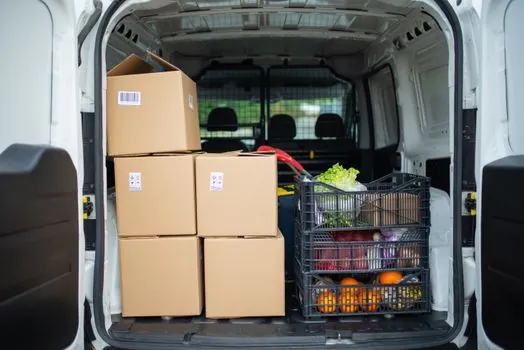
Food and beverage pallets fail in service for two opposite reasons: over-rated dynamic load on a returnable fleet that racks on cantilever arms, and under-rated static load on a tall cold-store stack. The fix is to spec the pallet against the worst-case single-trip load, not the optimistic published number [S4]. A standard food-grade HDPE/PP pallet is commonly quoted in 1,000-1,500 kg static and 500-1,000 kg dynamic ranges for a 1200x1000 mm Euro or 1200x800 mm footprint, but the only number that matters is the OEM test certificate on the specific mould and resin batch [S4].
For an automated line, the spec must add tolerance to the deck flatness: a non-flat deck will trip pallet-discharge sensors on a depalletiser and stop the line. Hygienic food-grade pallets are typically moulded with tighter flatness than general-merchandise pallets for exactly this reason [S1][S4]. A broader plastic-pallet spec map for footprint, load, and material selection in automated fulfilment is covered separately in this e-commerce spec map, and a port-focused version sits in the port logistics spec map.
Cold-chain and frozen-food applications drop the effective stiffness of many polymers and can make a pallet that is fine at +20 deg C feel soft at -25 deg C, so the cold-store load spec must be re-validated rather than copied from the ambient rating [S4].
Color Coding and Allergen Segregation
Color coding is the cheapest, fastest way to keep allergenic, raw, RTE, and export flows from sharing a pallet pool, and it is now standard practice across food, beverage, and CPG operations [S3]. Common coding schemes use red for raw meat, blue for raw fish, green for produce, yellow for RTE, and white for dairy or bakery, but the scheme must be written into the food-safety plan, not left to the floor [S3].
Plastic pallets are easier to color-code at the mould than wood, and the pigment is locked into the resin so it does not wear off after 50 wash cycles, which is why the practice has migrated from cutting boards to pallets over the past decade [S3]. Dedicated pools per allergen class also let a plant quarantine one color block in a recall without pulling the entire fleet, which materially shortens the food-safety response time [S3][S7].
Wash-Down, Chemical Resistance, and Cleaning SOP
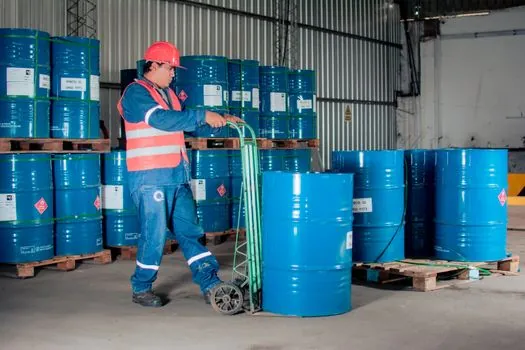
A food-grade pallet must survive the cleaning chemistry of the plant, not just tap water. Quat-based sanitizers, peracetic acid, and hot caustic foam at 60-80 deg C are common in beverage and dairy facilities, and a non-specified HDPE or PP grade can stress-crack under repeated exposure [S4][S5]. The spec line should call out the active chemistry, contact temperature, and cycle count, and the supplier should provide a chemical-compatibility letter for that exact grade [S4].
Pallets that are easy to clean and sanitize, resistant to moisture and bacteria, and non-porous are the published advantages for FDA and USDA regulated facilities [S5]. For high-care zones, a documented wash-down SOP (rinse, detergent, sanitizer, final rinse) plus a drying step is part of the pallet spec, not a separate hygiene plan, because a wet pallet parked in a cold store will grow biofilm faster than a dry one [S6].
For facilities handling flammable solvents, flour dust, or alcohol-based sanitizers, the pallet spec must be checked against the zone classification as well, and the explosion-proof electrical selection guide covers the parallel spec rules for ATEX/IECEx equipment in the same line.
Pool vs One-Way: TCO and Recall Traceability
Pallet pooling enables food companies to more efficiently and accurately monitor their products at every step in the supply chain, because each pooled pallet carries a traceable ID and is cleaned and inspected at the pool service centre [S7]. For multi-site beverage and CPG operators, a closed-loop pool typically beats a one-way purchase on total cost per trip once utilisation passes 4-5 turns per year, because the pool operator absorbs the cleaning, repair, and end-of-life recycling cost [S7].
One-way export pallets still win for single-trip ocean freight where the receiving site will not return a pool pallet, and here a lightweight virgin-HDPE one-way is the lower-carbon option than a heavy-duty reusable that does not come back [S8]. In the UK beverage market, suppliers such as GoPlasticPallets.com keep stock pallets, pallet boxes, and containers in standard footprints for fast delivery, which suits both pool top-up and one-way spikes [S2].
FDA approval is conferred on the resin, additives, and finished article for storage of food, beverages, and pharmaceuticals, and the approval travels with the pallet only as long as the supplier documents the chain of custody and the cleaning history; this is the single biggest recall-readiness gap in food-grade pallet programs [S8].
Selection Checklist and Common Failure Modes

Field failures cluster on a small number of repeatable causes. The first is a recycled-content deck that leaches or odours under warm-fill beverage conditions, which fails the food-contact gate on day one [S4]. The second is a vented open-deck pallet pulled into a high-care zone, which fails the hygienic-surface gate the first time an auditor sees condensate drip through the vents onto a RTE pack [S3][S6]. The third is an over-ambitious racking load on a lightweight export pallet, which fails mechanically and triggers a product-loss event the warehouse team never budgeted for [S4].
The selection checklist that closes most of these: virgin HDPE or PP resin with a supplier Declaration of Conformity, FDA 21 CFR / EU 1935/2004 compliance line, closed or solid top deck for high-care, color code per allergen class, dynamic and racking load certificate on the actual mould, chemical compatibility letter for the plant sanitizers, and either a pooling contract with a traceable ID or a one-way spec with an end-of-life recycling route [S1][S3][S4][S5][S7][S8]. For a broader view of how these spec lines sit next to instrumentation and material-handling standards across the plant, the 2026-09-09 industry digest gives a cross-sector reference point. Track the next two signals: the next update to FDA 21 CFR 174-179 indirect-food-additive thresholds for recycled-content polymers, and any EU revision of Regulation 10/2011 specific migration limits for plastic pallets in prolonged contact with fatty foods.
For component-level specifications, see plastic pallet, construction machinery and equipment, and lamps and light fittings.