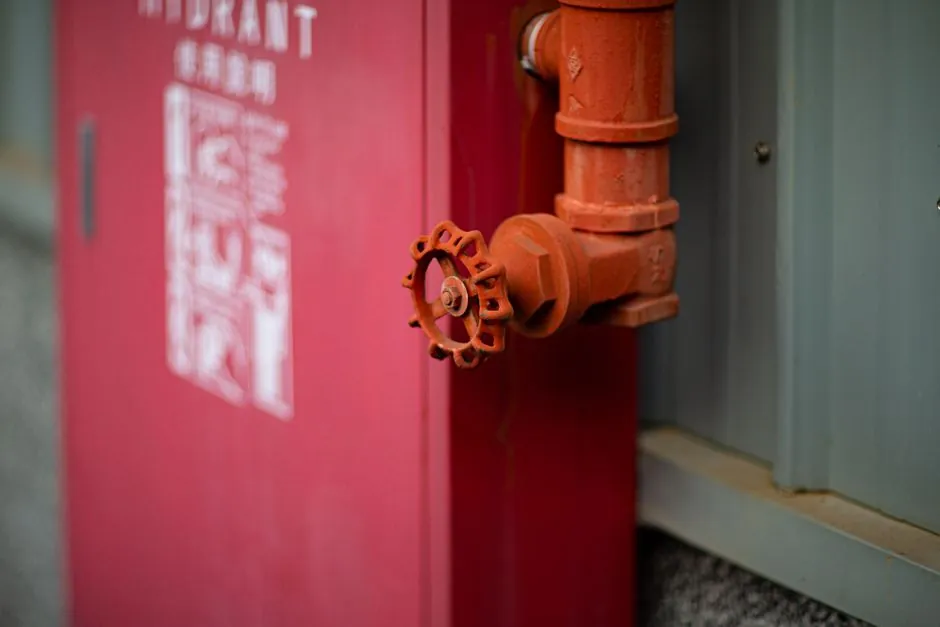
A pressure reducing valve (PRV) is a self-powered control device that holds downstream pressure at a set value regardless of upstream fluctuation or load change, and the basic function can even be replicated by a partially closed fixed-position globe valve when precision is not required [S1].
Across steam, hydraulic oil, compressed air, water, and gas service, the same four-part logic applies: a sensing element (diaphragm or piston) reads outlet pressure, an adjustable spring sets the target, a plug modulates flow, and a pilot stage (where fitted) amplifies the signal for high-capacity or high-pressure work [S3][S4]. PRVs are conceptually distinct from safety relief valves, which only open at a set overpressure to vent the system, whereas a PRV modulates continuously [S2].
Direct-Acting vs Pilot-Operated: Where Each Wins
Direct-acting PRVs use the sensed downstream pressure acting directly against an adjustable spring to position the plug, which keeps the body compact, the parts count low, and the purchase price down; this is why they dominate residential lines, small pneumatic equipment, and low-capacity steam tapping points [S6].
Pilot-operated PRVs route the sensed pressure to a small pilot stage that controls hydraulic or steam actuation of the main plug, which delivers higher capacity, tighter accuracy, and better stability at high pressure drops, but adds a pilot circuit, more trim, and a higher price tag [S3][S6]. A practical rule of thumb from the trade press: specify direct-acting for low flow and modest accuracy, and pilot-operated whenever the line size, capacity, or downstream pressure tolerance outgrows what a direct-acting spring can hold [S3][S4]. The selection question mirrors the same trade-off that needle valve selection drives, where body style, trim, and pressure class set lifecycle cost.
Steam Service: Real Advantages in the Field
Steam PRVs lower high-pressure boiler steam to a stable downstream pressure that heat exchangers, process vessels, and sterilizers can handle, which protects gaskets, reduces flash-steam waste, and stabilizes downstream temperature control in food, pharma, and chemical lines [S3].
Operating advantages cited by manufacturers include full control over inlet and outlet pressure, elimination of overpressure risk on downstream equipment, and self-powered operation that needs no external instrument air or electricity [S1]. Typical components are a stainless-steel body, a sensing diaphragm or piston, an adjustable spring, a plug or disc, and (on pilot-operated units) a dedicated pilot valve that amplifies the control signal for high-capacity lines [S3]. Sizing these correctly protects heat exchangers and separators from pressure-related damage and keeps the plant inside its safe operating envelope.
Hydraulic Service: Why the Same Name Does Different Work
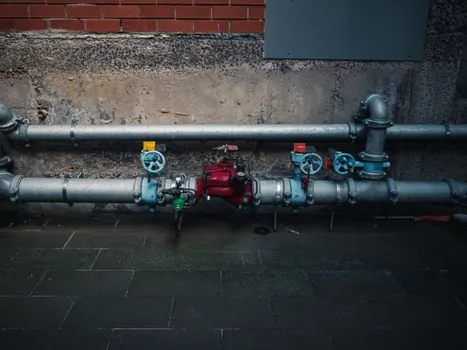
In a hydraulic system running from 200 bar up to 700 bar or more, a hydraulic PRV holds a branch circuit at lower pressure than the main pump supply, so a clamp, pilot line, or auxiliary actuator does not see full system pressure [S4][S5].
Correctly selected, a hydraulic PRV protects components from excessive actuator force, cuts heat generation, lowers leakage risk, and stabilizes machine motion on partial circuits; mis-sized, it produces component stress, heat, leakage, and unstable motion [S4]. A reducing-relieving variant adds a drain path so the reduced-pressure branch can drop when downstream flow stops, which matters for clamping circuits that must release cleanly. The trade-off here resembles the cost logic in diaphragm valve TCO, where a small upcharge for the right trim pays back across the maintenance cycle.
Key Advantages Across Service Classes
Across steam, hydraulic, gas, and liquid service, the recurring benefits reported in 2026 trade coverage are: full automatic control of downstream pressure, elimination of overpressure on sensitive downstream equipment, self-powered operation with no auxiliary energy required, and compact simple designs on direct-acting units that keep install cost low [S1][S3][S4].
Effective pressure management at the right point in the circuit also reduces the risk of leaks, equipment damage, cavitation, and unsafe working conditions, which is the reason PRVs are specified alongside, not in place of, pressure relief valves that handle true overpressure events [S5]. For steam specifically, additional reported advantages are stable downstream temperature, lower flash-steam losses, and reduced heat loss from piping running at unnecessarily high pressure [S3].
Limitations and Failure Modes Engineers Plan Around
Direct-acting PRVs carry well-documented limits: lower pressure accuracy, droop as flow rises, and performance sensitivity to inlet pressure variation, which is why they are rarely the right pick for tight-tolerance steam or high-capacity hydraulic branches [S3][S6].
Pilot-operated PRVs trade those limits for higher cost, more trim to maintain, and a pilot circuit that can plug with condensate, scale, or contamination, so steam pilots need good separator upstream and hydraulic pilots need clean fluid at the right viscosity [S3][S4]. Across both styles, common failure modes are seat erosion on modulating duty, diaphragm fatigue from cycling, spring setpoint drift, and hunting when the valve is oversized for the actual load. A PRV will not protect a system on its own: it sits in series with a safety relief valve sized for full fire-up or blocked-outlet flow, and that pairing is non-negotiable on any code-stamped vessel [S2].
Selection Checklist: Fluid, Pressure, Capacity, Accuracy
Selection starts with fluid: steam, hydraulic oil, compressed air, water, or process gas each set the body material, seat material, and seal class, and a steam PRV should not be dropped onto a hydraulic circuit or vice versa [S3][S4].
Next, define the inlet pressure range, the required downstream set pressure, the maximum and minimum flow rate, and the acceptable accuracy band: tighter accuracy and higher capacity push the spec toward pilot-operated, while modest accuracy and low flow keep direct-acting in the running [S3][S6]. Decide whether reducing-relief (drain) behavior is needed for clean downstream pressure release, confirm the end connection class and a body material compatible with the fluid (for example, stainless-steel bodies for clean steam and many chemical services), and verify that a separate pressure relief valve is sized for full overpressure scenarios. Two trackable signals for the next planning cycle: the move toward pilot-operated electronic-actuated PRVs for tighter steam networks, and the wider use of proportional hydraulic PRVs in injection-molding and press circuits where load profiles change part to part.
For component-level specifications, see construction machinery and equipment.