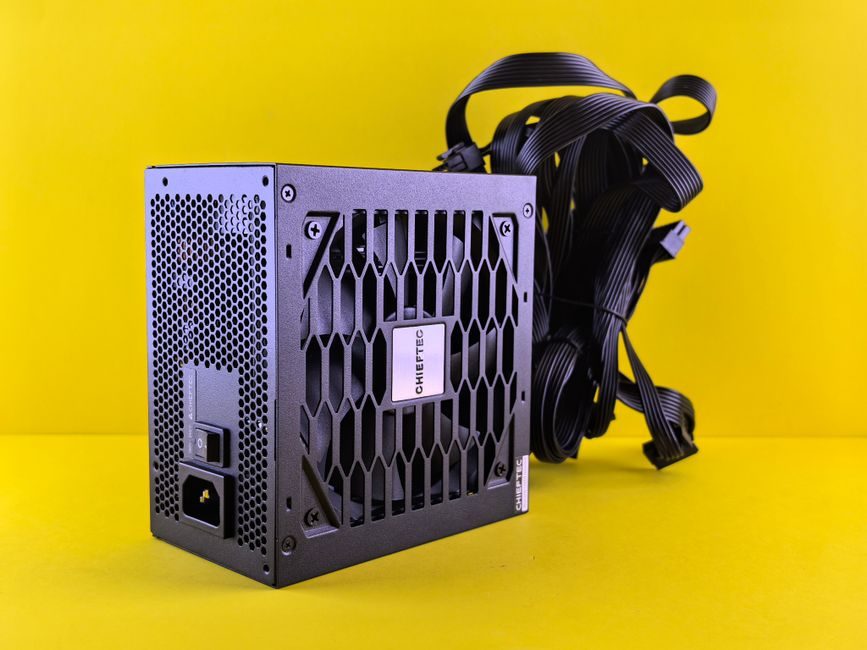
A 12V-input DC-DC high-voltage PSU delivering 500V at 1–50 mA costs US$119–189 in 82×55×28 mm packaging with >70% full-load efficiency and 0–5V linear modulation — a concrete data point for low-power precision loads [S1].
Industrial buyers in August 2026 are sizing PSUs across four classes: 5–30V DC-DC modules (≤200W, ripple <0.05% RMS), AC-DC chassis units (6W–10kW), 2800W redundant server PSUs (200–240 VAC, 50–60 Hz, hot-swap, 2-minute replacement window), and 50kV-rated high-voltage research supplies [S2][S3].
Topology Decision: Linear vs Switching vs Modular
Linear regulation dominates when ripple must stay below 0.05% RMS and the load is static, as in the 12V-input AHV series where the CTRL lead accepts 0–5V from a potentiometer (≥10 kΩ) and the case must hold below 55°C under natural convection [S1]. A DC power supply built on linear topology trades efficiency for noise floor, which is why the 12V AHV family stops above 70% efficiency while the 24V-input series climbs past 90% [S1][S3].
Switching topology fits bulk conversion: the switching power supply class covers the 5V, 12V, 24V, and 30V DC-input HV families with outputs from 100V to 20 kV and power levels up to 200W, and these modules routinely exceed 87% efficiency at full load [S3]. For data-center and OT-rack duty, modular hot-swap frames such as the dual 2800W IBM Elastic Storage Server configuration deliver N+1 redundancy with a documented two-minute service window after a faulty module is pulled [S2].
Input Voltage Bands and What Each Buys You
Five standard DC input rails define the catalog: 5V (10–100W, ripple <0.02%, >85% efficient) for photomultiplier tubes and optical benches; 12V (50–200W, ripple <0.05% RMS, >88%) for semiconductor and electrospinning rigs; 24V (100–500W, ripple <0.03%, >90%) for X-ray, medical, and HV-test stands; 30V for higher-power laser and accelerator front-ends; plus USB-powered 5V modules for field-portable instruments [S3].
AC-input classes add two more constraints: mains window (200–240 VAC at 50–60 Hz for the 2800W server module) and harmonic current limits that vary by region [S2]. The 5V-to-30V ladder maps directly to vehicle, battery-backup, and PLC-backplane rails, so a 24V input is the most flexible single choice when the load could migrate from cabinet to cabinet.
Output Range, Current, and Cost-per-Watt
Output voltage on the 12V AHV family spans 100V to 5kV; the 24V family extends to 10kV; and AC-DC chassis platforms reach 50kV at power levels up to 10kW with ripple under 0.02% RMS [S3]. Within the 12V 500V output family, current steps from 1 mA to 50 mA move unit price from US$119 to US$189 — roughly US$0.45–3.80 per milliampere at 500V, a useful sanity check when budgeting a multi-channel instrument [S1].
For comparison across the three common topologies on the same 24V-input, 100W class load: linear HV modules typically deliver <0.03% ripple at >90% efficiency; switching HV modules trade to <0.05% ripple at >87% efficiency; and modular 2800W server PSUs accept AC mains only and prioritise N+1 redundancy over absolute noise floor [S2][S3].
Redundancy, Hot-Swap, and Industrial-UPS Duty
Dual-PSU configurations with hot-swap modules are the default for storage, server, and process-control enclosures that cannot tolerate a reboot; the documented replacement window is two minutes from removal of the defective module to insertion of the spare, with chassis keying that blocks upside-down insertion [S2].
Where the AC mains itself is unreliable, an industrial UPS sits in front of the PSU array, and PSU sizing should be derated to roughly 70–80% of nameplate to keep the UPS in its high-efficiency window. Buyers in the UK market for AC-DC, DC-DC, and medically approved power products can pull from specialist distributors that stock battery, charger, and UPS lines alongside the PSUs [S4].
Selection Criteria and Who Should NOT Pick a Linear Module
A linear HV PSU is the wrong pick when the load exceeds roughly 200W, the enclosure is sealed, or ambient temperature stays above 40°C — the 55°C case ceiling on the 12V AHV series is reached quickly without active cooling or a metal mounting plate [S1]. In those cases, a 24V-input switching HV module with >90% efficiency is the engineering default, and pairing the PSU with proper EMC filtering becomes mandatory because the metal enclosure alone no longer suppresses all emissions [S3].
Shortlist logic: (1) confirm input rail and power budget first; (2) lock output voltage and current with a ≥20% derating; (3) pick topology by ripple target and efficiency floor; (4) add redundancy or UPS only after steps 1–3 close, because overspec'ing redundancy on a wrongly-sized base PSU wastes both money and rack space.
Sourcing Map and Standards Watch
China-origin suppliers dominate the high-voltage and industrial PSU catalog, with audited vendors offering modular HV chassis in the US$20,000–22,000 per-piece band and aircraft-converter IPS-Atda28.5 series units rated 200–2000A — useful when cross-checking lead time against EU and US stocking distributors [S5]. Buyers comparing quotes should weigh the three-week Shenzhen lead time against local stocking, and treat published ripple numbers as typical rather than worst-case unless the datasheet specifies the measurement bandwidth [S3][S5].
For context on how PSU choices ripple into adjacent fab and process equipment, the Power Semiconductor Equipment: SEMI Standards, Selection Map, and 2026 Compliance Path article maps the upstream SiC/GaN toolset that often sets the DC bus a PSU must feed. Track two signals: any 2026 update to the 24V-input HV family's 500W ceiling, and any distributor-level stock note on 2800W server-class modules where lead time has stretched past six weeks.