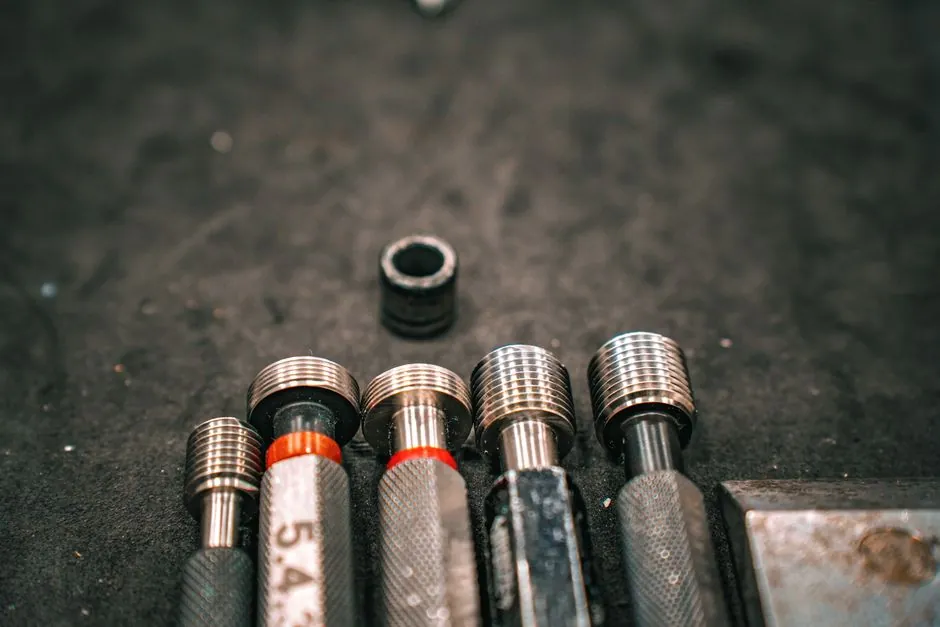
Rebar threading machines in 2026 ship predominantly as 380 V, 3–6 kW automatic units with CE certification, in a 100–1000 kg weight band, covering HRB400 grade rebar up to roughly 40 mm diameter through cold thread-rolling or cut-threading heads [S3]. Procurement for high-speed rail, tunnel, and bridge projects now treats the threading machine, the rebar coupler, and the bar end prep (upset or square-cut) as one specification package, not three loose items [S1][S3].
The buyer profile has also shifted: 2026 listings from Chinese and Indian manufacturers (Henan Jianmao, Beijing Jingweixin, National Cutting Tools) position the machine alongside rebar benders, saws, and cage welders as part of a one-stop rebar processing line, and list main-motor power, voltage, weight, and grade coverage as the four headline specs [S1][S2][S3]. That consolidation is the single biggest change versus the 2015 era when a threader was a standalone machine sold on Alibaba-style B2B pages for around US$1,800 FOB [S4].
Spec Range Sourced from Active 2026 Listings
Active manufacturer pages in 2026 list rebar threading machines at 380 V supply voltage, 3–6 kW main motor, 100–1000 kg machine weight, fully automatic cycle, and CE certification, with thread-rolling and tangential chaser heads as the two dominant forming methods [S3]. Henan Jianmao's 2026 product catalogue groups the rebar thread rolling machine, upsetting machine, and rebar cutting/bending machines on the same page, signalling that contractors now buy them as a matched line for high-speed rail, highway, mining, and hydropower work [S1].
Beijing Jingweixin Construction Machinery Technology Development Centre, registered on Made-in-China.com since 2017, lists rebar couplers, rebar cutting, and rebar bending machines under one supplier profile, again reinforcing the bundle-buying pattern [S2]. National Cutting Tools (India) breaks its rebar range into rebar cold forging, rebar thread cutting, and steel bar threading machines, each with the same 380 V / 3–6 kW envelope, which means motor sizing, not head type, is the cost driver in the 2026 mid-range [S3]. For context, JGJ 107 and the older GB 1499 series have governed rebar grade and coupler testing in China for two decades, and 2026 machines still target HRB400 as the baseline grade with HRB500 as the upgrade path [S5].
Selection Criteria: Diameter, Grade, Motor, Method
Rebar threading machine selection should be run as a four-gate check: (1) rebar grade (HRB400 vs HRB500 vs HRB600), (2) bar diameter window, typically 12–40 mm for civil work, (3) thread-forming method (cold thread-rolling vs tangential chaser cut-threading vs cold-forged upset + roll), and (4) motor/power envelope to match site supply (380 V 3-phase, 3–6 kW) [S3]. The grade gate is the one that drives the rest: HRB500 and above need a rolling head with higher torque reserve, because the higher yield of 500 MPa rebar raises the forming load and accelerates die wear on cut-threading machines [S3][S5].
Site realities matter as much as catalogue numbers. A 380 V, 3 kW machine is enough for HRB400 up to 25 mm at modest cycle rates; HRB500 above 32 mm typically pushes buyers to the 5–6 kW end of the 3–6 kW band, or to hydraulic-assisted rolling heads [S3]. Procurement teams should also confirm that the threading head matches the locally stocked rebar coupler standard, since JGJ 107 and parallel European/Indian coupler specs use different thread pitch and taper combinations, and a mismatched head forces costly re-tooling or scrap [S2][S3].
Thread-Rolling vs Tangential Chaser vs Cold-Forged Upset

The 2026 product mix splits into three head technologies. Cold thread-rolling displaces metal plastically to form the thread, which preserves the bar's fibre flow and gives higher fatigue life, but needs higher forming force and a heavier machine frame. Tangential chaser cut-threading cuts the thread with carbide chasers, is cheaper and lighter, and is the dominant method on Indian and lower-cost Chinese lines [S3]. Cold forging (upsetting) thickens the bar end before rolling, which lets a smaller-diameter bar be threaded up to a larger coupler size without scrapping the parent bar [S3].
For a quick comparison: cold-rolled threads suit high-cycle, high-fatigue work (rail, bridges, nuclear) and pair with HRB500; tangential chasers suit high-mix site work where the operator changes diameters often and accepts shorter chaser life; cold-forged upset heads suit rebar where the parent bar is undersized for the required coupler, or where the steel rebar has a yield that is too high to roll directly [S3]. All three run from the same 380 V 3-phase supply in the 3–6 kW band, so the head, not the motor, defines the application [S3].
Who a Rebar Threading Machine Is For (and Who Should Hire Instead)
Buy a rebar threading machine if your site does more than roughly 5,000 threaded bar ends per month, runs two or more diameter sizes, or works in remote areas (tunnel, high-speed rail, hydropower) where mobilising a subcontractor adds a day per pour [S1]. The Henan Jianmao customer profile names high-speed railway, high-speed tunnel, and bridge processing project departments as the core 2026 buyers, and frames the threader as a permanent fixture of a rebar processing yard rather than a single-job tool [S1].
Hire or sub-contract the work if your volumes sit under 2,000 ends per month, your diameter range is a single size, or your rebar grade stays at HRB400 below 25 mm, because a 3 kW tangential chaser run by a service crew is cheaper than owning a 1,000 kg machine and stocking spares [S3]. The break-even sits between those two volumes and depends heavily on local labour rates and the cost of sending a defective bar back through the threader; a 2026 spec map for concrete work covers the matching productivity math in more detail, see this 2026 spec map [S3].
Quality, Standards, and Coupler Interchangeability
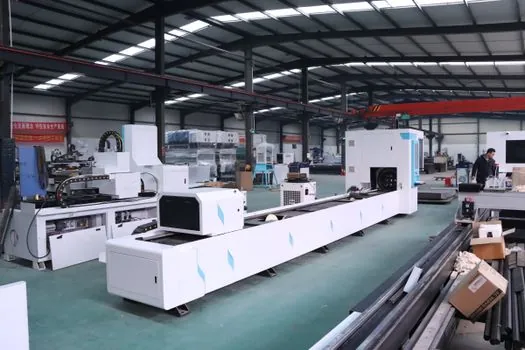
Quality gates for a 2026 rebar threading machine start with the threading accuracy class called out by the matched rebar coupler standard, the cycle-time repeatability, and the die/chaser life in ends-per-shift. CE certification on the electrical panel and a documented routine test for each thread (pitch, taper, run-out) are the two items most often missing from low-cost listings [S3]. For the upstream rebar itself, procurement should also confirm compliance with steel rebar grade standards, since a machine rated for HRB400 will struggle to hold tolerance on HRB500 without a derated cycle or a stronger head [S5].
Coupler interchangeability is the under-discussed failure mode. Thread-rolling and tangential chaser heads from different makers can produce threads that meet the letter of JGJ 107 but fail a cross-coupler torque test in the field, because the flank angle and the root radius differ between makers [S2][S3]. The 2026 safer practice is to buy the threader and the couplers from the same supplier or to demand a documented cross-maker test on at least three production batches before sign-off [S2]. For residential-grade or lower-load work where couplers are not used, a related reference for embedded parts covers the matching bar-end prep rules, see embedded part selection for residential concrete [S2].
Limitations, Failure Modes, and Site-Level Constraints
The dominant in-service failure mode is chaser/roll die wear, not motor burnout. Tangential chasers lose edge geometry after a few hundred ends on HRB500 and start producing out-of-tolerance threads that jam in the coupler, so a spares kit equal to roughly 10% of the machine purchase price should be budgeted for any 2026 procurement [S3]. Cold-rolling dies last longer per end but cost more per set, so the total cost of ownership curves cross at around 20,000 ends per year for HRB400 work [S3].
Site constraints that often override catalogue specs: 380 V three-phase is not always available on remote tunnel or rail jobs, where 220 V single-phase or diesel-driven hydraulic units become the only options, and that immediately drops the available power band to 2–3 kW and the diameter ceiling to 25 mm; in dusty or wet environments, the electrical panel IP rating and the chaser lubrication system need explicit confirmation, since CE on the machine body does not guarantee IP54 or higher [S3]. For the upstream rebar handling side, the matching rebar straightener selection for bridge construction covers how bar straightness tolerance feeds threading accuracy, and the broader construction tools reference frames the threader inside the rebar processing toolchain [S3].
Price, Lead Time, and Supplier Pattern in 2026
Indicative 2026 pricing for a CE-marked automatic rebar threading machine in the 380 V / 3–6 kW range sits in a wide band driven by head type and frame weight, and the older Made-in-China reference price of around US$1,800 FOB per set remains a useful lower bound for a 12–25 mm tangential chaser unit [S4]. Cold-rolling and cold-forging machines from the same supplier bracket typically price two to four times higher, and customised multi-head lines for rebar processing yards sit at the top of the range [S1][S4].
Lead time in mid-2026 is dominated by motor and electrical panel availability rather than by the head itself, and Chinese makers (Henan Jianmao, Beijing Jingweixin) quote shorter lead times than Indian makers (National Cutting Tools) for CE-marked automatic units, while Indian makers tend to hold stock of 380 V 3–6 kW machines targeted at domestic and Middle East export [S1][S2][S3]. For the matching downstream tooling, rebar bender and rebar threading machine reference pages cover the cost-of-ownership math across the full rebar processing line. The next trackable signals for buyers are: (1) supplier confirmation of HRB500 in-production testing, not just catalogue claims, and (2) availability of cross-coupler torque-test certificates on request.