
A high-vibration accessory drive needs an automatic tensioner with controlled stiffness, damping, travel, and alignment, not merely enough force to stop belt slip.
The decision covers passenger-car and industrial serpentine drives, with application-specific dimensions, pulley direction, spring force, damping behavior, and mounting geometry controlling performance.
Define the vibration duty before choosing the mechanism
A serpentine belt tensioner must keep belt-span tension nearly constant while accommodating normal belt elongation, because belt slip, span vibration, and tensioner-arm motion can increase noise and reduce belt life [S1][S2]. In a coupled model, belt spans behave as moving beams with bending stiffness, while pulley rotation, tensioner-arm oscillation, and transverse belt vibration interact dynamically [S2].
The useful design inputs include engine speed range, maximum accessory load, belt section, pulley count, pulley widths, operating temperature, contamination exposure, allowable tensioner-arm travel, and noise limit. A drive that squeals under steering or load may involve an auxiliary pulley or tensioner damper rather than inadequate static tension, so tension alone is not a sufficient diagnostic [S5].
For an existing installation, check the belt, pulley tracking, accessory-bearing drag, and tensioner-arm movement before fitting a replacement. A reported case described the tensioner notch vibrating back and forth by about 1/2 inch, or approximately 12.7 mm, during loaded steering accompanied by belt squeal [S5]. That example is a diagnostic clue, not a universal acceptance limit.
Compare automatic, fixed, and spring-and-damper options
Automatic tensioning is the strongest fit for a high-vibration engine accessory drive because it combines a spring-loaded arm with controlled damping and accommodation of belt wear [S1][S2]. A fixed-center tensioner can suit a static industrial layout, but it lacks the automatic travel needed to compensate for belt stretch unless paired with another adjustment method.
The decision can be reduced to four criteria: tension maintenance, vibration control, packaging, and serviceability. An automatic, damped unit leads on tension maintenance and wear compensation, but its spring and damping must match the vehicle layout. A fixed-center unit simplifies geometry and reduces moving parts, making it better for a stable center distance with controlled installation tension. A manually adjusted spring-and-damper arrangement offers more tuning freedom, but it requires periodic checking. A bare idler supplies guidance and span control, not automatic tension compensation.
For the belt itself, distinguish the ribbed belt format used in many serpentine accessory drives from conventional V-belt and flat-belt constructions. The tensioner interface, pulley groove profile, rated load, and tension-control strategy must be matched to the belt family rather than selected from overall pulley diameter alone.
Match spring force and damping to the drive layout
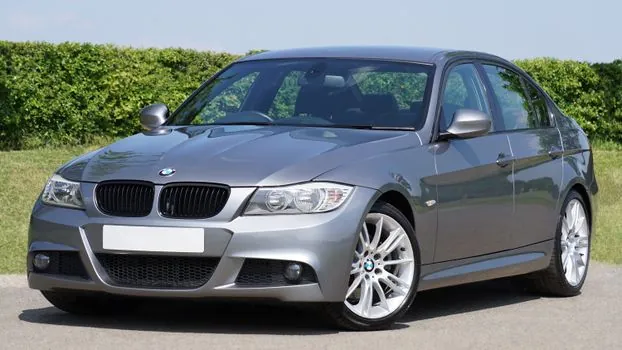
An automatic tensioner contains a tensioner arm, pulley, torsion spring, and friction element; friction produces a hysteretic torque-versus-arm-angle relationship that damps the drive [S2]. Continental states that its Accu-Drive tensioners are designed for specific engine and accessory belt layouts, maintain nearly constant belt tension, and help dampen belt-system vibrations [S1].
For a high-vibration duty, require the spring range to maintain effective tension across the predicted belt elongation and accessory-load variation. The damping must suppress arm oscillation without making the tensioner sluggish enough to permit belt slip. These requirements cannot be validated from a generic catalog image alone, so use the application data, part number, pulley dimensions, belt specification, and measured drive loads.
Do not use the tensioner as the primary source of belt tracking. Continental states that its belt tensioners maintain correct alignment to the belt and improve belt-system alignment [S1]. Misalignment or bent pulleys will create span movement that a stronger spring cannot correct. If the pulley rubs an edge or the arm traverses an unusually large arc, verify mounting datum, pulley runout, belt tracking, and auxiliary-pulley condition before changing spring force.
Use the mounting geometry and belt interface as hard constraints
The tensioner must fit the available envelope, mounting face, locating-pin arrangement, pivot position, pulley width, belt direction, and accessory layout. Continental's published parts-and-functions list begins with a lift feature that relieves belt tension to allow belt replacement [S1]. These features determine whether an assembly can be installed safely and whether it can preserve alignment.
Check the installation instructions for the torque applied to the mounting fasteners, because clamping force and joint stiffness affect the base alignment. The pulley must match the belt profile and width, and its rotation direction must suit the installed ribbed belt. The lift feature may be needed for belt removal, but its presence does not make the internal spring safe to service.
Several tensioner assemblies are mechanical, non-serviceable units whose spring is preloaded and potentially injurious if released. For high-vibration duty, treat the tensioner as a replaceable calibrated assembly, not as an adjustable workshop component.
Separate tensioner vibration from accessory-drive faults
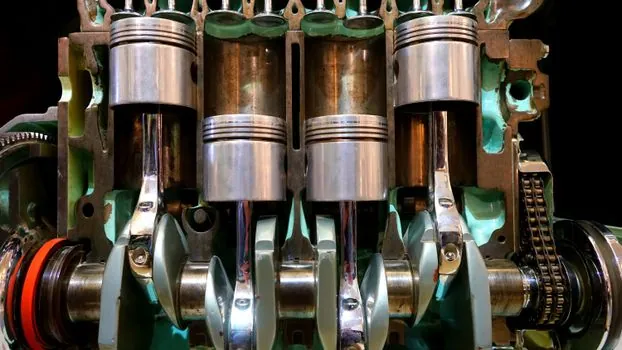
Large tensioner-arm motion is a symptom that requires isolation, not a reason to fit the stiffest available tensioner. A discussion of a diesel serpentine drive associated squeal under steering with approximately 12.7 mm of visible tensioner-notch movement; fluid level was normal, and participants identified an alternator-pulley fault and a failed tensioner damper as separate possible causes [S5].
Inspect the drive in a controlled sequence: verify fluid levels where applicable, confirm the belt is tensioned and undamaged, check each pulley for free rotation in the intended direction, examine belt tracking, measure tensioner travel, and listen for changes with individual accessories disconnected when the engine configuration permits it. These steps distinguish accessory drag, pulley defect, alignment error, and inadequate damping.
Forced damping failures, excessive arm travel, or a noisy tensioner do not support rebuilding the unit. Continental describes automatic tensioners as self-adjusting for normal elongation from wear, while the spring maintains proper tension and absorbs engine vibration and the damping system compensates for vibration-related noise and harshness [S1]. Replacement with the correct application-matched assembly is the defensible repair route.
Verify selection against operating loads and standards
Select by the complete drive specification rather than by engine displacement alone. Relevant checks include belt designation, number of grooves, pulley dimensions, initial tension, operating speed, accessory power, service factor, temperature, and available tensioner travel. Gates Design IQ is designed for multi-point and complex serpentine drives and calculates belt tension, shaft load, belt length, and related values from defined product and drive parameters [S4].
The Gates Heavy Duty V-Belt Drive Design Manual, document 14995-A from September 2010, covers Super HC, Hi-Power II, Tri-Power, Predator, molded-notch, and PowerBand families, with sections for idler, speedup, variable-pitch, V-flat, and quarter-turn drives [S4]. Its 324-page scope includes specifications and design procedures for heavy-duty industrial belts; it is not an automatic passenger-car tensioner approval document.
Do not impose the manual’s industrial selection procedure on a vehicle accessory drive without matching the actual product family and operating conditions. For industrial V-belt drives, verify service factor, shaft load, tension, and belt length using the applicable manufacturer method; for an engine tensioner, use the vehicle or equipment application data and component dimensions [S4].
Build a defensible selection shortlist
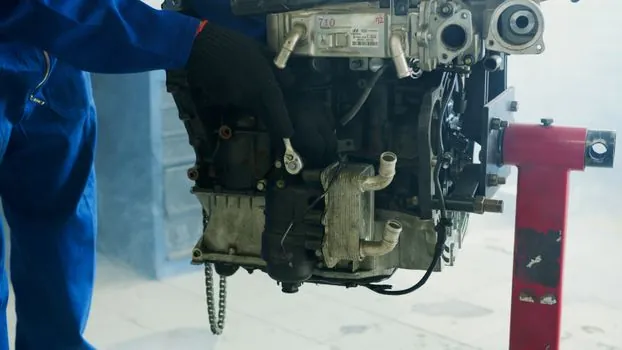
Shortlist only an automatic tensioner whose part number is approved for the exact engine or equipment layout, whose pulley matches belt width and groove profile, and whose spring and damper meet the high-vibration duty. Require the supplier or vehicle program data to identify locating-pin position, pivot geometry, spring behavior, damping provision, and replacement status [S1][S2].
Reject candidates that offer only a high spring force, lack application-specific damping, depend on an unpinned or ambiguous mounting face, or cannot reproduce the required pulley geometry. The best high-vibration solution is usually the calibrated, application-matched assembly whose spring maintains nearly constant tension while its damping controls arm and span oscillation [S1][S2].
After installation, track tensioner-arm motion and belt tracking across idle, rated speed, maximum accessory load, and the operating condition that produced the original symptom. A repeatable improvement in noise and motion supports the selection; persistent travel or squeal points to alignment, pulley, accessory-bearing, or belt-fit faults rather than an underspecified tensioner.