
A fall-arrest harness with an 8-inch padded waist support belt can improve suspension comfort while retaining full-body load distribution across the shoulders, chest, pelvis, and thighs.
The correct selection depends on application, D-ring placement, certification, fit, adjustment range, and the availability of leg and ischial padding for prolonged suspension.
Define the difference between a body belt and a full-body harness
Body belts are no longer recommended, and most fall-protection regulations prohibit them because they focus fall forces on the abdomen [S4]. A body belt concentrates fall forces on the abdomen [S3].
By contrast, a full-body harness uses shoulder, chest, back, hip, and thigh straps to distribute force, keep the worker upright, and support rescue after a fall [S3]. The full-body harness is the only acceptable form of body wear for fall-arrest safety harnesses [S4]. This distinction is fundamental when purchasing a padded waist belt: a padded belt attached to a complete full-body harness is a comfort feature, not a waist-only fall-arrest system.
For suspension planning, the harness must preserve an upright body position and provide support around the pelvis and thighs. A padded waist section can improve contact comfort, but it does not replace leg straps, an ischial pad, or structural load paths [S3][S5].
Use 8-inch or wider support for long-duration suspension
An extra-wide 8-inch back support belt distributes support over a larger contact area, while premium padding is intended to reduce pressure points during extended wear [S6].
Suspension comfort depends on more than belt width. EFP comfort-oriented models offer adjustable webbing, optional ergonomic waist belts, leg pads, and suspension trauma straps [S4].
The comparison is direct: a waist-only body belt concentrates load around the abdomen and may allow the worker to slip or become inverted [S3]; a full-body harness spreads load across at least the shoulders, upper thighs, chest, and pelvis [S2]; a padded full-body harness adds a wider contact surface for suspension comfort without changing the full-body fall-arrest architecture.
Match connection points to the work task
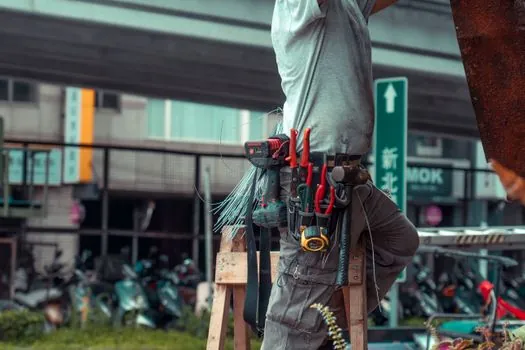
Fall-arrest harnesses normally use a dorsal D-ring for attachment to a connector such as a lanyard, while additional D-rings may serve positioning, travel restraint, retrieval, or ladder climbing [S2]. A belt-style fall-arrest product with dual D-rings is designed around this connection-point approach [S5].
Other established configurations include one dorsal and one sternal D-ring for fall arrest plus one ventral waist D-ring for rope access, and configurations with side D-rings, reflective webbing, a double-grommet waist belt, and a seat sling for positioning [S4]. Selecting a harness from its connection-point layout alone would be incomplete, because the intended task, environment, and applicable system requirements also determine suitability [S3].
D-ring placement should therefore be checked against the complete personal fall-arrest system. A suspension-oriented harness must remain compatible with the connector, anchor, and rescue arrangement selected for the site, while the comfort padding and waist belt must not interfere with hardware placement or adjustment.
Compare comfort designs against four decision criteria
On suspension pressure, a waist-only body belt scores poorly because force concentrates around the waist, whereas a full-body harness distributes arrest force over the shoulders, upper thighs, chest, and pelvis [S2][S3]. A padded full-body design adds cushioning across a broader waist area [S5][S6].
On load-path security, a full-body harness with shoulder and thigh straps keeps the worker upright and supported during suspension [S3][S4]. A body belt may permit slipping, inversion, or asphyxiation if it shifts under the arms [S3]. Comfort therefore cannot be evaluated independently of structural support.
On adjustability and work duration, models with multiple adjustment points, quick-connect buckles, padded leg straps, and ischial support provide more opportunities to tailor fit and manage pressure [S4][S5]. On task fit, dual D-rings, dorsal-plus-sternal fall-arrest points, side D-rings, and positioning D-rings support different work arrangements [S2][S4].
The fall-arrest harness category should be evaluated on force distribution, fit adjustment, connection-point layout, and certified construction rather than on padding alone. A comfort-focused model is strongest when all four criteria are met.
Verify certification and procurement details

Certification is more relevant than visual comfort features because a padded waist belt is only a comfort accessory when installed on a harness designed and certified for the intended fall-protection application.
Product construction can differ materially between models [S5]. Another listed design uses an extra-wide 8-inch support belt with plush padding [S6]. EFP product families include five-point adjustment, snap-on or zip-on shoulder padding, leg pads, suspension trauma straps, side D-rings, and seat slings on models intended for specialized work [S4].
For procurement, record the exact model, size range, webbing and hardware configuration, listed standard, connection points, and included padding. EFP states that the full-body harness is the only acceptable body wear for fall arrest and that most fall-protection regulations prohibit body belts because fall forces are focused on the abdomen [S4].
Fit and inspect the harness before work at height
A full-body harness connects the worker to an anchored fall-protection system through straps around the shoulders, chest, back, hips, and thighs, and correct fit supports reliable load transfer [S3]. The product must also fit the individual worker, not merely meet a broad category designation.
Comfort designs provide clues for fit adjustment, including precise adjustment points, mobility-focused webbing, padded leg sections, an ischial pad, and quick-closing buckles [S4][S5]. Workers should verify that padding sits flat, straps remain correctly positioned, hardware is fully engaged, and the waist support does not obstruct leg-strap adjustment.
Inspection must cover webbing, stitching, buckles, D-rings, adjustment points, padding condition, and attachment hardware. Any worn, deformed, contaminated, or damaged component requires removal from service under the applicable inspection procedure. The protective clothing program should treat the harness as safety-critical PPE rather than ordinary clothing because an uninspected padded harness can conceal a failed load-bearing component.
Plan the rescue response for suspension distress
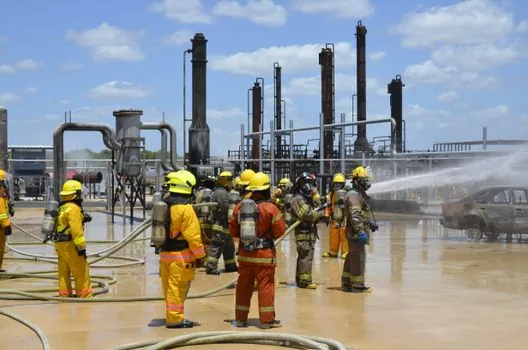
Full-body harnesses help keep workers upright after a fall, supporting rescue and reducing suspension-related risks [S3]. EFP comfort models may include suspension trauma straps, while the Protecta belt-style configuration combines dual D-rings with an ischial pad [S4][S5]. These elements can improve the fit of a suspended worker, but they do not replace a site-specific rescue plan.
A practical suspension review should record the available rescue method, the time needed to reach the worker, the attachment equipment, the worker’s clothing and equipment, and the effect of the harness geometry. For a qualified specification, Dorsal vs Sternal D-Ring Placement for Fall Arrest provides a separate comparison of connection locations, while the harness selection still depends on the complete system and intended task [S2][S3].
Comfort is a legitimate design requirement for prolonged work and suspension exposure, but the non-negotiable hierarchy is full-body load distribution, correct fit, certified fall-arrest construction, and tested rescue readiness. A padded 8-inch waist belt improves the comfort of an otherwise suitable full-body harness; it cannot make a body belt acceptable for fall arrest.
