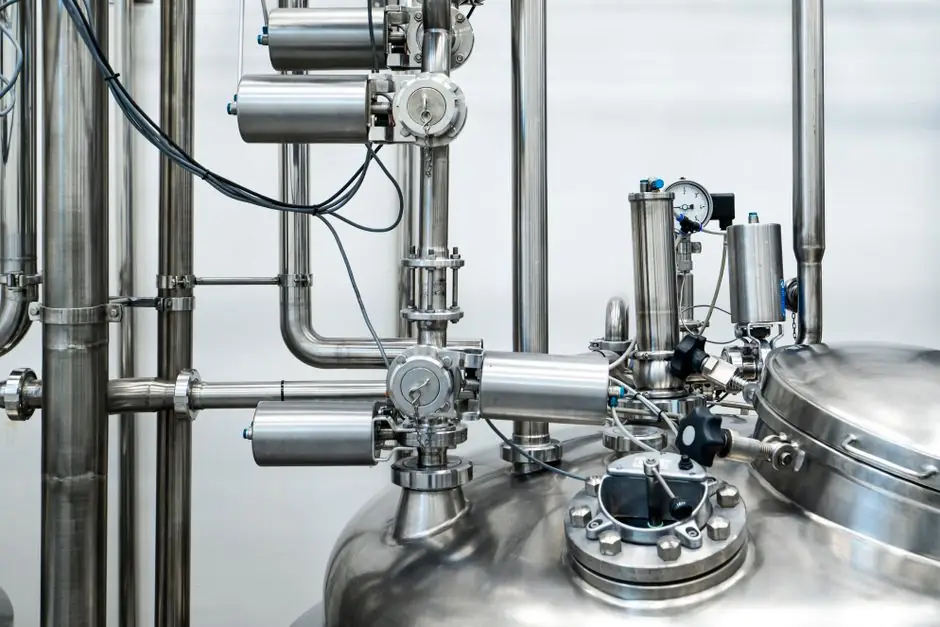
Select a weir-type diaphragm valve for chemical throttling and a straight-through design for slurry or low-resistance flow, then qualify every wetted material at the actual concentration and temperature [S1][S4].
Chemical diaphragm valves are commonly supplied from DN 15 to DN 900 with pressure ratings up to 420 bar, but those envelope limits do not replace application-specific compatibility checks [S4].
Weir or straight-through body pattern
A weir valve seals across a raised saddle, reducing diaphragm travel and improving control at low flow rates [S3][S4].
A straight-through valve removes the internal weir and provides an obstruction-free path for viscous media, slurries and particle-bearing flow; its flat seat requires more diaphragm flex and can reduce fatigue life in frequent cycling [S4].
For a deeper comparison of the two hydraulic layouts, see Weir vs Straight-Through Diaphragm Valve: Body Pattern Decision Guide. Do not default to the weir body when suspended solids, sludge or fibrous material are present, because an unobstructed path usually has greater process value [S4].
Wetted materials and chemical compatibility
Compatibility must be checked at the actual chemical identity, concentration and temperature, because a lining that handles dilute sulfuric acid may not survive concentrated sulfuric acid [S1]. The wetted-material review must cover the body, seat, diaphragm, seals, stem packing and every liner or coating exposed to the process [S1].
PTFE, ETFE and other specialist linings can isolate aggressive media from the valve body; lined products described for chemical service include sulfuric acid, hydrochloric acid, nitric acid, sodium hydroxide and organic solvents [S2]. PTFE is used as a corrosion-resistant diaphragm surface, while FKM provides chemical resistance and EPDM is suited to water [S5].
The diaphragm is the primary dynamic seal, and replacement parts include EPDM, FKM, butyl, NBR, silicone and PTFE-backed constructions [S5]. A replacement must match the original valve type, size, pressure rating, temperature range and wetted-media exposure; a material that is chemically compatible but dimensionally wrong will not restore valve performance [S5].
Include cleaning and decontamination exposure in the qualification. A valve handling one chemical during production may contact different chemicals during CIP, flushing or sterilization, and elastomers can soften, swell or lose sealing capability as temperature rises [S1].
Pressure, temperature and cycle limits
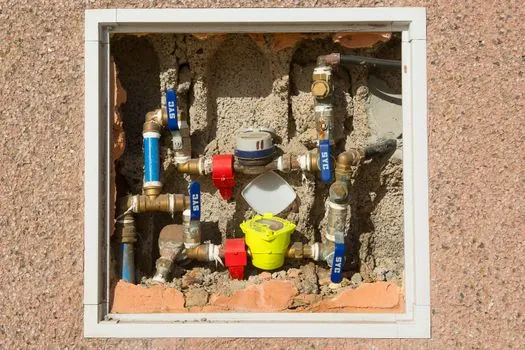
Published diaphragm-valve envelopes reach 420 bar, but the selected body, diaphragm, liner and actuator must all be rated for the maximum allowable operating pressure at the design temperature, not merely for the maximum line pressure [S4]. Verify both process pressure and operating-temperature exposure because material compatibility and seal behavior change together [S1][S5].
Abrasive fluids, suspended solids and high-velocity flow attack internal components and linings, so abrasion resistance must be evaluated separately from acid and alkali resistance [S1]. Straight-through bodies are generally preferred when minimizing pressure drop and preventing clogging is more important than modulation quality [S4].
Common diaphragm wear indicators include cracks, bulges, fluid leakage, increased actuator force required for positive seal, and inconsistent flow or pressure [S5]. Inspection intervals should reflect cycle frequency, because a diaphragm that is adequate for low-cycle isolation may be unsuitable for frequent throttling [S5].
Do not use generic pressure capacity as a service rating. The chemical concentration, temperature, cycling rate, suction conditions, diaphragm geometry and liner thickness can each move the usable limit below the catalog maximum [S1][S4][S5].
Actuation, shutoff and control behavior
Specify the required valve action before selecting an actuator brand, then size the actuator from valve size, required shutoff force, operating pressure, travel and fail action [S8]. Manual, pneumatic and electric options cover hand-operated isolation, automated dosing and remote control, with pneumatic or electric actuation used where monitoring and control integration are required [S2][S3].
Weir valves suit precision throttling because their raised-saddle design supports improved control characteristics [S4]. Straight-through valves are better matched to on-off isolation and bidirectional flow, while a full-bore configuration can reduce resistance where product recovery or transport efficiency matters [S4][S6].
Do not select the mainstream weir design for every service. It is the wrong first choice when the dominant requirements are a blockage-resistant full-bore passage, bidirectional isolation or handling of particle-laden sludge; those duties favor a straight-through body [S4].
Application fit and failure modes
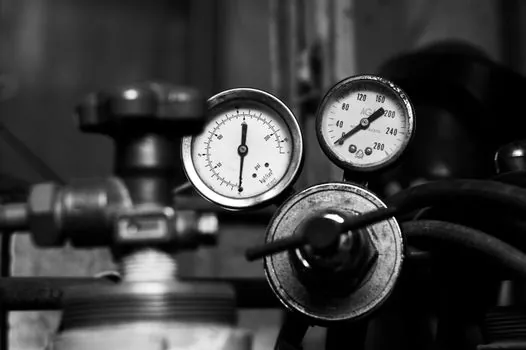
Diaphragm valves are suitable for corrosive, abrasive and high-purity service because the flexible membrane isolates the process fluid from the body, stem and operating mechanism [S1][S4]. Typical chemical applications include acid and alkali transfer, solvent handling, chemical dosing, water treatment, pharmaceutical manufacturing, mining and slurry service [S2][S3][S4].
They can handle liquids, gases and semi-solids containing solid particles, while the simplified internal flow path reduces sediment and biofilm accumulation compared with designs that retain fluid in pockets [S3]. In sanitary and pharmaceutical systems, the body geometry must still be reviewed for drainage, crevices, dead legs, cleaning access and contamination risk [S4].
Potential failure modes include chemical swelling or softening of elastomers, abrasion of the diaphragm, loss of seat sealing, cracking, bulging and leakage at the body-diaphragm interface [S5]. Elevated temperature accelerates degradation, while repeated flexing raises fatigue concerns, particularly in straight-through designs where the diaphragm must deform more heavily [S4][S5].
The diaphragm valve is not the automatic choice for every chemical duty. A valve that only requires tight on-off isolation may offer simpler qualification and lower maintenance elsewhere, but where process-fluid isolation, corrosive-media handling, throttling or dirty flow justifies the membrane, the diaphragm architecture directly addresses those requirements [S1].
Purchase specification and shortlist logic
Issue the datasheet request with the valve size and connection standard, straight-through or weir body, process fluid and concentration, normal and maximum temperature, design and operating pressure, pressure-differential range, solids content, cycling rate, shutoff requirement, control range, actuator voltage or instrument-air pressure, fail action and certification requirements [S4][S8][S9].
Require the supplier to identify every wetted material separately. A statement that a valve is compatible with hydrochloric acid does not establish suitability if the diaphragm, seat, liner and gasket materials differ [S1][S2]. Also state whether the listed rating applies to valve body pressure, diaphragm pressure, temperature, or a combination of limits.
Use a three-stage shortlist: select the hydraulic body from the process medium and flow duty, qualify the complete material stack against concentration and temperature, then confirm actuator sizing, cycling, access and inspection provisions. A weir body with PTFE or FKM protection is a strong candidate for corrosive throttling service, a straight-through lined body is the stronger candidate for slurries or unrestricted flow, and a specialized sanitary zero-dead-leg arrangement is justified only when contamination and drainage requirements justify added complexity [S2][S4].