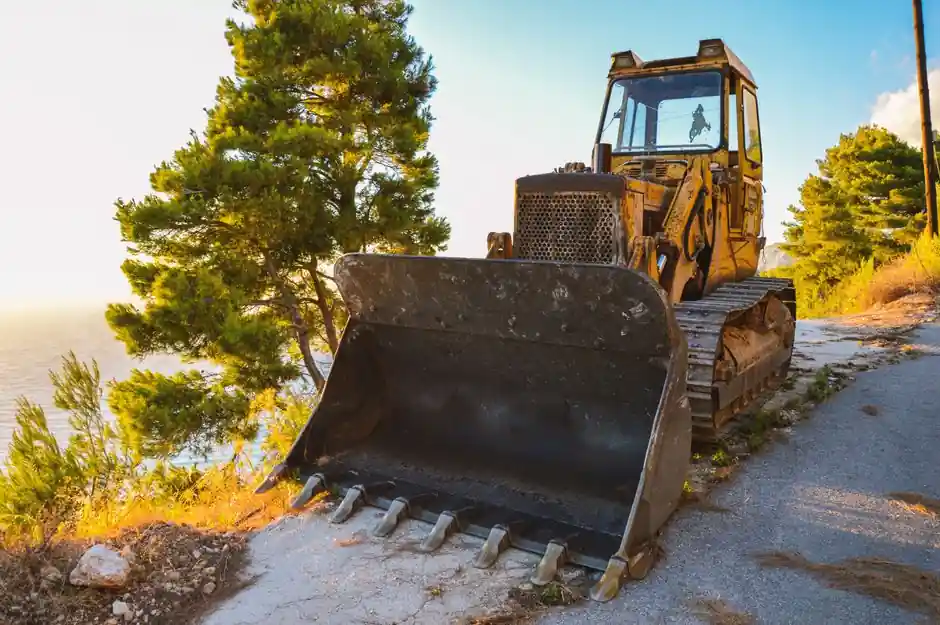
Automatic fire suppression systems for heavy construction machinery combine heat detection, operator notification, agent storage, and engineered discharge to control engine, hydraulic, electrical, and debris fires [S3][S4].
Loaders, excavators, dozers, pavers, and mining vehicles face high heat, vibration, hydraulic pressure, fuel exposure, electrical loads, dust, and remote jobsite conditions, requiring systems designed around each machine rather than one generic package [S3][S7].
What a Heavy Machine Fire Suppression System Does
A mobile fire suppression system permanently detects a fire and discharges an agent into protected machine areas, with manual activation available alongside automatic operation [S2][S3]. Its purpose is to limit equipment loss, operator exposure, and production interruption while an uncontrolled engine or hydraulic fire can spread [S2].
Five functional blocks define a typical installation: linear-wire or spot detection sensors, a control panel, an actuation device, an agent tank, and a distribution network of tubing, hoses, and nozzles [S4]. Detection heat actuates the system and alerts the operator, while nozzles direct the agent toward hazards such as turbochargers, starters, fuel filters, batteries, alternators, and transmissions [S4].
Mobile systems also cover smaller electrical and control enclosures. LVC Companies partners with manufacturers including ANSUL and Amerex to deliver fire protection solutions tailored to mobile industrial equipment [S2].
Compare Dry Chemical, Liquid, and Dual-Agent Systems
Dry chemical systems are positioned for rapid knockdown and broad coverage of Class A, B, and C fires, making them suitable for off-road construction, mining, agricultural equipment, underground mining vehicles, and specialized machinery [S2][S4]. Their strengths are durability, reliability, and installation flexibility, but discharged powder creates a substantial cleanup burden [S2].
Liquid systems provide agent discharge and cooling of hot surfaces, which can suppress diesel-fuel and hydraulic-fluid fires and reduce the possibility of re-ignition [S2].
Select the System from the Machine’s Fire Hazards
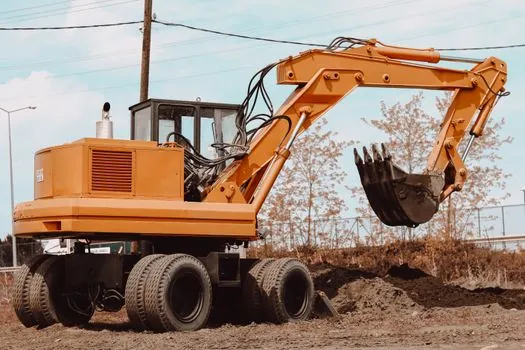
A site-specific fire risk assessment should examine ignition sources, fuel classes, whether ignition and fuel can coexist, personnel exposure, downtime consequences, risk-reduction options, and suitable hardware [S4]. Common ignition sources include high-temperature surfaces, electrical components, welding or cutting work, and combustible material accumulated around exhaust systems [S4][S5].
Fluid risks deserve separate attention because damaged fuel lines and hydraulic systems can create leakage and ignition conditions, while wiring damage can produce sparks [S5]. Reacton identifies fuel-line and hydraulic-system leaks as factors that can trigger fires in heavy plant machinery [S5]. Combustible debris can also accumulate around turbochargers and exhaust components in dusty or waste-handling environments [S5].
The assessment must then map nozzles and agent quantity to actual component geometry. A nozzle aimed at an air intake, alternator, battery, fuel filter, transmission, or turbocharger is not equivalent to coverage of the engine bay or hydraulic compartment [S4]. Machine configuration, service access, agent capacity, and protection of the operator station should be resolved before hardware is ordered.
Match Protection to the Operating Environment
Construction machines are used on sites characterized by combustible debris, high surface temperatures, damaged wiring, and remote operating conditions, while mining equipment adds severe vibration, dust, fuel handling, and underground configurations [S2][S3][S5]. Construction applications include loaders, excavators, and dozers, with wider mobile fleets also covering pavers, forestry equipment, agricultural machinery, waste-management vehicles, and underground mining units [S2][S4][S7].
Automatic operation is generally preferable where fires can develop without immediate operator intervention, while manual activation remains necessary for operator-controlled discharge and testing [S2][S4].
Not every machine justifies the same envelope. A low-risk mobile loader with a modest fire-load budget may be adequately served by a targeted dry chemical package, while a refractory or hot-surface machine with significant fluid leakage risk may justify liquid cooling or a dual-agent arrangement [S2][S4][S5]. Gaseous suppression is narrower because the documented N-101 application is small electrical and control enclosures rather than unrestricted engine-compartment coverage [S2].
Design for Installation, Inspection, and Recharge
Heavy-machine systems must tolerate vibration, high heat, dust, debris, and hydraulic pressure while remaining serviceable [S3]. A full lifecycle installation includes hazard assessment, system design, detection setup, agent selection, inspection, maintenance, post-discharge recharge and reset, repairs, upgrades, and retrofit support [S3]. Compliance documentation may also be required for safety programs, mine sites, insurers, and audits [S3].
Fluid distribution commonly uses stainless-steel tubing, hydraulic hose, or a combination, with engineered nozzles at protected components [S4]. Installation drawings should account for line routing, nozzle orientation, actuator access, operator controls, tank capacity, and interference with service points. Periodic inspection must verify detection, alarms, actuator operation, agent pressure, nozzle condition, and the status of any sealed actuation device.
Serviceability affects the total operating burden. AFEX offers dry chemical, liquid chemical, and dual-agent systems and states that its systems are supported by third-party certification, while State Fire documents inspection, recharge, reset, repair, upgrade, and retrofit services [S1][S3]. Buyers should request certification records for the exact system and agent offered, rather than treating a generic “vehicle” approval as proof for every machine configuration.
Operational Limits and Failure Prevention
No suppression system prevents every fire, and improper agent selection or nozzle coverage can leave ignition and fuel zones untreated [S4]. A system must also survive the machine’s vibration, heat, dust, debris, and exposure to hydraulic pressure, or nuisance damage and impaired operation may follow [S3]. Maintenance and post-discharge service are operational requirements rather than optional extras [S3].
Reacton reports more than 2,000 heavy-plant machinery fires annually across the United Kingdom and places average fire-damage downtime at 3–5 weeks [S5]. Those figures frame the economic case, but they do not replace a machine-specific risk assessment or verified installation data. Equipment exposure, operator location, fuel inventory, ignition sources, and production consequences determine the justified protection level [S4].
The operator also needs a defined response sequence: recognize the alarm, evacuate, and activate manually if the procedure requires it. The control panel’s alarm is intended to provide warning for rapid evacuation while automatic actuation begins discharge [S4]. Nozzle discharge must not create an additional personnel hazard, so escape paths and the location of manual activation points belong in the commissioning plan.
Procurement Criteria for Equipment Fleets
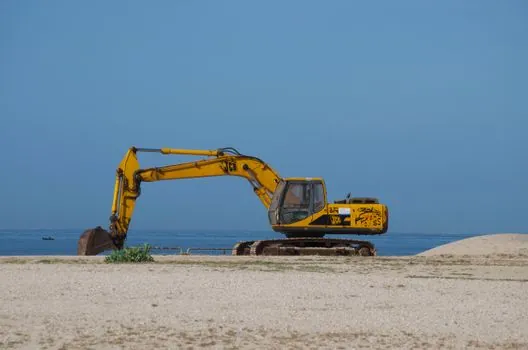
The strongest procurement specification defines one protection objective per hazard zone, identifies the fire classes and fuels involved, names the detection method, states whether discharge is automatic and manual, specifies the agent, and requires discharge points at identified components [S2][S4]. A fleet-wide standard can standardize maintenance and training, but each machine still needs a documented risk review because engine layout, material handling, ignition sources, and operator exposure differ [S4].
Validation should include the installed system rather than only the product family. Review certification for the specified agent, installation instructions, nozzle targets, tank and agent capacity, detection coverage, alarm interface, actuator arrangement, service intervals, and post-discharge recharge process [S1][S3][S4]. Also verify whether the machine’s application introduces a need for an electrical-enclosure gas system or other specialized subsystem [S2].
Trackable procurement signals are clear: completed hazard assessments for every machine, certified configurations matching each hazard map, inspection records, and documented recharge turnaround. These controls turn fire suppression from a mounted cylinder and nozzle network into a maintainable protection system for loaders, excavators, dozers, pavers, and mining fleets [S1][S3][S4].