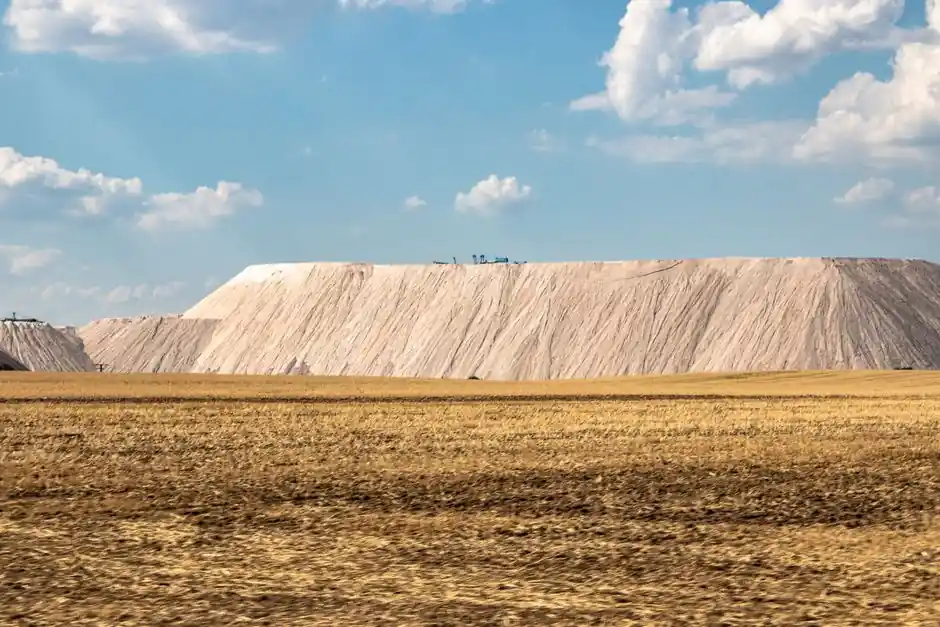
Mining safety relief valve selection starts with six sizing inputs: connection size and type, set pressure in psig, relieving temperature, discharge back pressure, service, and required capacity [S2].
The equipment must protect vessels, piping, personnel, and the environment from overpressure while resisting abrasive slurry, corrosive chemicals, variable back pressure, and difficult access typical of mining plants [S1][S2].
Define the protected system and design basis
A safety relief valve is an automatic device actuated by upstream static pressure and designed for rapid full opening or pop action for steam, gas, or vapor service; a conventional relief valve opens in proportion to pressure increase and is used primarily for liquids [S3].
Before selecting the valve, document the protected vessel or piping-system MAWP, normal operating pressure, highest expected pressure, relieving temperature, connected piping sizes, fluid composition, required capacity, and discharge-system pressure, and ensure that the selected set pressure does not exceed the protected equipment MAWP [S2].
Capacity is normally expressed as lb/h for steam, SCFM for air or gas, and GPM for liquid [S2][S3]. Mine applications include crushing and grinding, autoclaves, flotation and thickening, leaching and solvent extraction, tailings disposal, and water or chemical makeup, so the relief scenario must match the actual unit operation rather than a generic vessel inventory [S1].
Match valve type to the relieving scenario
A conventional safety relief valve has its spring housing vented to the discharge side and is directly affected by fluctuating back pressure [S3]. A balanced-bellows safety relief valve incorporates compensation for fluctuations caused by back pressure [S3].
Pilot-operated pressure relief valves combine a major relieving valve with a self-actuated auxiliary relief valve, while a rupture disc is a non-reclosing device that operates by bursting a pressure-containing disc [S3]. Temperature and pressure relief valves respond to external or internal temperature, inlet pressure, or both [S3].
Use the safety relief valve for compressible or vapor service requiring pop action. Use a conventional liquid relief valve when proportional opening is appropriate, a balanced-bellows design when variable back pressure, viscous slurry, or corrosive discharge conditions must be neutralized, and a pilot-operated valve when operating characteristics justify the added control complexity.
Compare the principal selection options
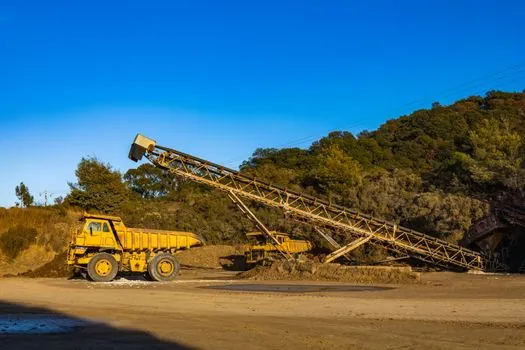
Conventional, balanced-bellows, pilot-operated, and rupture-disc arrangements must be compared against back-pressure tolerance, slurry or corrosion exposure, capacity control, and maintenance requirements [S3].
Selection should not default to the conventional valve simply because it is the mainstream option.
Size for capacity, pressure, and back pressure
API sizing rules for flanged spring-loaded and pilot-operated safety relief valves with D-T orifices are presented in API RP 520, while manufacturer correction factors and discharge coefficients must also be checked [S5].
API RP 520 does not cover valves smaller or larger than the D-T orifice range addressed by its rules [S5]. The Baker Hughes Consolidated sizing method includes API and ASME formulas, correction factors, fluid properties, standard orifice areas for API designations 1900, 2900, 3900, 4900, 19000, 1982, and 13900, and rupture-disc combination calculations [S5].
Neither inlet nor discharge piping should be smaller than the corresponding valve opening, and connection details such as flanged, male, or female ends must match the installation [S2].
Match materials and construction to the mine service
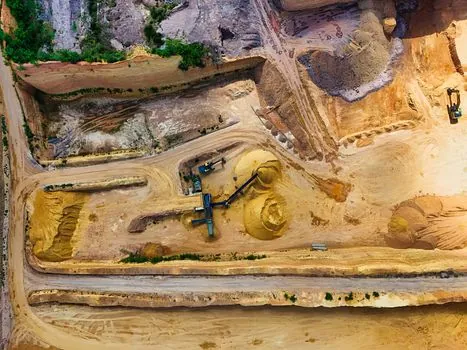
Mining circuits combine abrasive slurries with corrosive process chemicals, and water recovery from tailings can leave lower-water-content slurries that are more aggressive to pipes, pumps, and valves [S1]. Material selection therefore requires the actual fluid composition, solids concentration, temperature, and corrosion allowance rather than a generic “stainless” label [S2][S4].
Both operating and relieving temperatures affect material selection because temperature changes fluid volume and viscosity and can reduce valve capacity [S2].
For slurry service, evaluate balanced-bellows construction because the balanced bellows design is specifically used where the fluid is a slurry or highly viscous and can attack the upper works [S3]. If a rupture disc isolates a corrosive process from the relief valve, verify that the complete disc-plus-valve assembly remains within the governing sizing method and that the discharge route can handle the selected relieving event [S5].
Build installation and maintainability into the specification
Inlet and discharge piping must be compatible with the valve connection, pressure rating, temperature, and calculated flow, with no restriction introduced between the protected system and the valve [S2]. Mining access constraints also affect inspection, lifting, and replacement, particularly around pumps, thickeners, autoclaves, and remote tailings systems [S1].
Conventional valves have a spring housing vented to the discharge side, balanced-bellows valves provide a specific compensation mechanism, and pilot-operated valves add an auxiliary control element [S3]. These construction differences affect the parts and maintenance procedures required after a relief event, so the specification should identify the spring housing arrangement, bellows application, pilot mechanism where applicable, lifting device, and permitted operating and relieving temperature limits.
Do not omit the operating envelope. Set pressure, operating temperature, relieving temperature, back pressure, fluid viscosity, and required capacity form one operating envelope; selecting on set pressure alone leaves the installation vulnerable to unstable operation or inadequate relief capacity [S2][S3].
Verify the selection before purchase
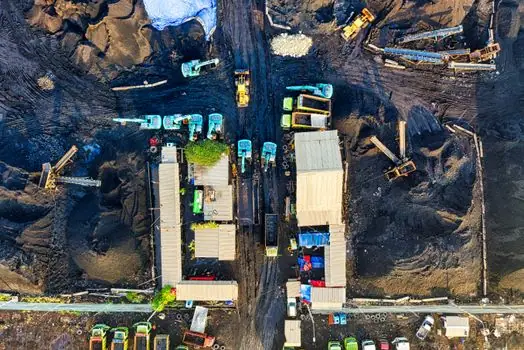
Complete sizing for the required capacity at the applicable licensed overpressure, confirm that set pressure does not exceed the protected system MAWP, and verify inlet and discharge piping sizes [S2][S5].
Use the governing code and manufacturer sizing rules together: API RP 520 addresses flanged spring-loaded and pilot-operated safety relief valves with D-T orifices, while manufacturer data may apply different discharge coefficients and correction factors [S5]. The pressure-vacuum relief valve is a different device category and should not be substituted for a pressure safety relief valve without a separate design basis.
A complete purchase package should contain the protected-system data, relief scenario, set pressure, operating and relieving temperatures, required lb/h, SCFM, or GPM, back-pressure range, fluid properties, inlet and outlet ratings, valve model, orifice designation, materials, and governing sizing calculation. The related selection logic for safety relief valves in oil and gas service can support broader cross-sector comparison, but mining projects must retain the slurry, corrosion, and access constraints specific to the installed circuit.
Track three verification points before release: approved set-pressure and MAWP alignment, calculated capacity at licensed overpressure with back-pressure correction, and confirmation that the selected metallurgy and construction suit the mine fluid and discharge conditions.