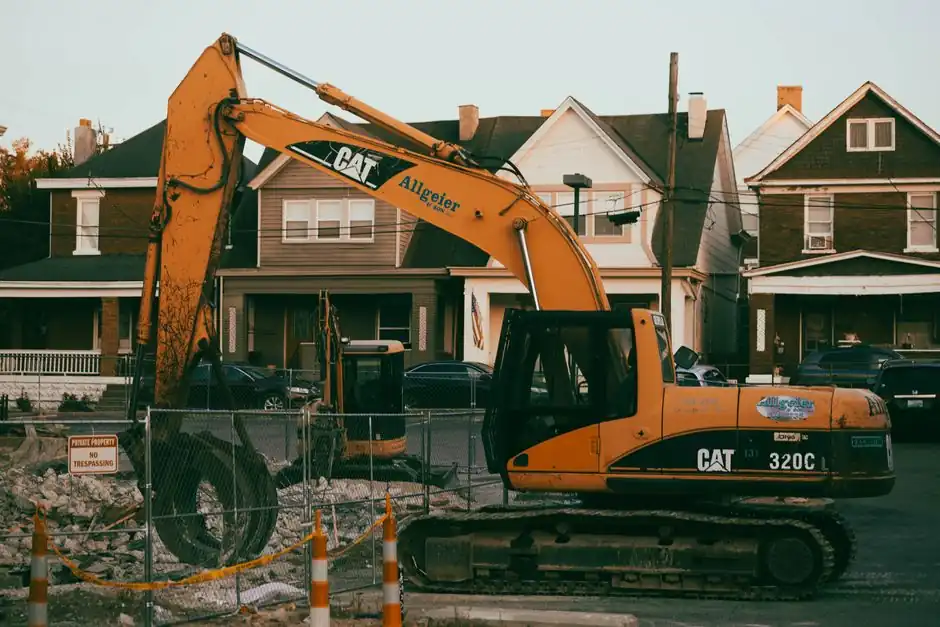
A properly maintained hydraulic breaker can last about 8–10 years, but heavy daily operation can shorten that life if heat, blank firing, or incorrect carrier flow is allowed [S1].
Select an electric demolition hammer by impact energy rather than motor watts alone: 8–20 J is usually enough for most home-renovation projects, while 20–40+ J is appropriate for heavy concrete breaking, reinforced concrete, and professional demolition work.
Define Service Life by Duty, Not Calendar Years
The 8–10-year figure is a maintenance-dependent life expectancy for a hydraulic breaker, not a guaranteed service life under every duty cycle [S1]. Carrier flow, blank firing, heat, tool alignment, and lubrication affect hydraulic-breaker life and damage.
For a tool working 8 hours per shift, five days per week, a practical operating pattern is 10–15 minutes of continuous use followed by several minutes of cooling [S7]. That cycle protects the motor, limits accumulated heat, and creates a measurable point at which operators can inspect the chisel, retainer, housing, and power cord before restarting [S4][S7].
This makes hourly operating records more useful than a purchase date. Log impact energy, material type, cycle duration, cooling time, lubrication, and faults. The same machine working on brick for two hours a day has a different thermal and wear profile from one breaking reinforced foundations for eight hours [S2][S7].
Match Impact Energy to the Workload
Impact energy should be the first selection criterion because joules describe the energy delivered to the material, while watts describe electrical input [S2]. An 8–20 J demolition hammer is usually sufficient for most home-renovation projects, while a 20–40+ J machine is suitable for heavy concrete breaking, reinforced concrete, and professional demolition work.
Demolition hammers produce 3–4 times the impact force per blow of a rotary hammer, although they deliver blows at a slower rate [S8]. That behavior suits concentrated breaking work, while a rotary hammer remains better suited to drilling holes rather than breaking mass concrete. The SDS-Plus rotary hammer should not be treated as an interchangeable demolition platform merely because both use a SDS tool-retention concept [S2].
For most home-renovation projects, an 8–20 J demolition hammer is usually enough, whereas heavy concrete breaking, reinforced concrete, and professional demolition work call for a 20–40+ J machine.
Control Heat Through Cycle and Contact Discipline

A hydraulic breaker should not be cycled for more than 20 seconds in the same position because prolonged operation can overheat the breaker and damage the demolition tool [S1]. For electric demolition hammers, a 10–15 minute operating period followed by a cooling break is the more practical heavy-use rule [S7].
Blank firing is the most avoidable mechanical failure event. The hammer should be firmly planted against the material before impact because firing in air places unnecessary shock on the tool retainers and main fasteners, which can produce broken tie rods and internal damage [S1]. Operators should also match carrier oil flow to the hammer specification: excessive flow can damage the breaker, while inadequate flow leaves it short of power and lubrication [S1].
Make Lubrication and Inspection Work Intervals
For hydraulic breakers, lubrication is not optional housekeeping. For electric hammers, lubricate the chisel shank and bushing area with the manufacturer’s recommended product to reduce friction, overheating and wear [S4].
Inspect lower tool bushings regularly against the manufacturer's specification, and replace any tool that is too worn or damaged to function efficiently. Misalignment or worn bushings can cause excessive wear or damage to the hammer and tool, while blank firing severely stresses the tool retainers and main fasteners and can break tie rods.
Electric tools require a separate electrical check. Clean concrete dust from vents and air inlets after use, inspect the cord for cuts or exposed conductors, and replace a compromised cord before further operation [S4]. Inspect the tool or chisel regularly for wear and damage, ensure it is properly aligned and securely fastened, and replace it if it is too worn or damaged to function efficiently.
Separate Electric and Hydraulic Life-Cycle Risks

Electric and hydraulic demolition hammers share impact, lubrication, contact and inspection requirements, but their cooling and hydraulic systems introduce different failure modes. Electric models depend on clean ventilation, sound cord insulation, motor cooling and the motor’s duty-cycle limits [S4][S7]. Hydraulic breakers add carrier flow, oil pressure, backpressure, nitrogen charge, accumulator condition and mounting compatibility to the maintenance scope [S1][S5].
Hydraulic breakers should be stored upright in a clean, dry location rather than laid down horizontally, particularly while hot, because long-term horizontal storage can contribute to seal deformation, water intrusion and corrosion of the piston and cylinder [S1][S5]. Before extended storage, remove the tool, grease internal surfaces, cap hose ends and protect the unit from moisture and extreme temperatures [S5].
This distinction prevents a common purchasing error. A large electric breaker is not a substitute for a carrier-mounted hydraulic breaker on foundations or prolonged rock work, and a hydraulic breaker requires an excavator, skid steer or mini excavator sized for its operating weight and impact demand [S1][S5]. The practical lifespan belongs to the complete tool-carrier system, not to the hammer nameplate alone.
Build a Failure-Prevention Schedule
A defensible maintenance plan uses time, hours and damage signals together. Clean electric tools after each use, inspect their cords and working parts, grease high-wear areas at the manufacturer’s interval, and operate them in 10–15 minute cycles with several minutes of cooling [S4][S7]. For hydraulic breakers, flow-test the carrier, inspect lower bushings and fasteners every 40 hours, check nitrogen pressure against manufacturer specifications, and grease every 2 hours [S1][S5].
Replace the chisel when bluntness or chipping reduces efficiency, and treat unusual impact energy, rising temperature, visible looseness or abnormal sound as a stop-and-inspect condition rather than a normal part of daily use [S4][S5]. These controls address the most consequential failure paths: blank firing, overheating, incorrect hydraulic flow, poor lubrication, worn bushings, blocked cooling vents, damaged cords and unsuitable carrier mounting [S1][S4][S5].
Track time to service, replacement parts, downtime and incident causes for at least 90 operating days. If the tool repeatedly overheats, loses impact performance or damages retainers, review the impact rating, duty cycle and operator technique before buying a larger machine. If failures cluster around lubrication or bushings, tighten the service schedule rather than masking the symptom with more power.
Owners should use 8–10 years only as a benchmark for a well-maintained hydraulic breaker, then replace the estimate with measured operating hours, service intervals and observed wear from their own crew [S1].