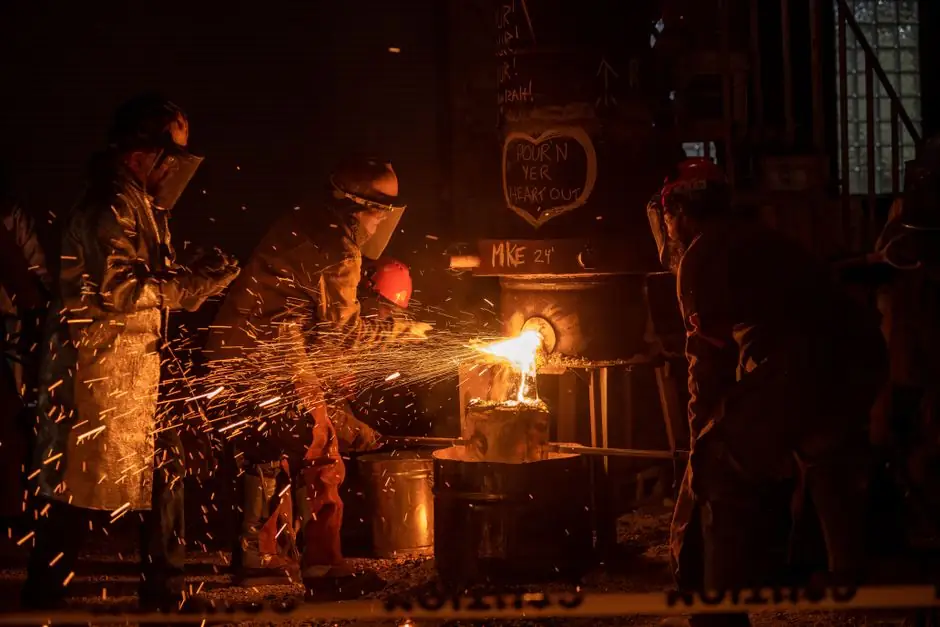
A pressure-controlled aluminum dosing furnace can achieve dosing accuracy up to ±1.5% while maintaining temperature stability of ±2 °C [S1].
The holding furnace is one element of a thermal chain that also includes melting, transfer, refill and dosing, so capacity and temperature uniformity must be engineered around the production duty rather than selected independently [S2][S3].
Separate melting, holding and dosing functions
A melting furnace converts solid charge, such as ingots or clean return material, into molten metal; a holding furnace keeps already-molten metal within the required temperature range and can buffer the difference between melting and casting demand [S2].
A dosing furnace stores molten metal and supplies a programmed quantity to the die-casting machine, making repeatability central to automated cold-chamber production [S2]. These functions can overlap in one unit, but equipment selection should begin with the intended function in the metal-supply chain [S2].
For aluminum die casting, this distinction affects the applicable furnace architecture and process controls. The holding furnace governs melt availability and thermal conditioning, while the dosing furnace adds controlled delivery to the machine.
Size from peak demand and thermal recovery
Correct furnace sizing requires an hourly demand model, a refill strategy and a temperature-recovery plan; a large bath is not automatically safer because excess inventory raises energy use, floor load and metal exposure time [S3].
The demand model should include casting weight, yield, shots per hour, number of machines, shift pattern and expected interruptions. Peak demand and simultaneous refill events often determine the required buffer more effectively than daily-average consumption [S3].
Each refill case must define metal quantity, arrival temperature, permitted bath-temperature drop and recovery time. The melter, transfer system and holder should then be evaluated as one thermal process, rather than treating furnace capacity as sufficient evidence of process control [S3].
Compare furnace architectures against process duties
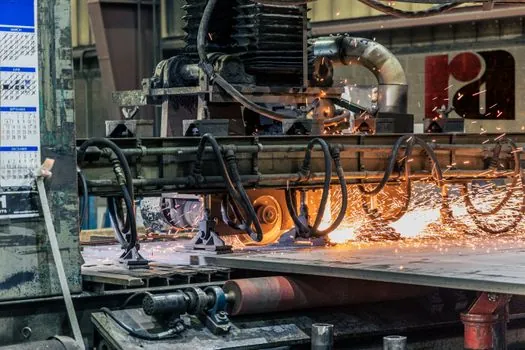
Direct melt heating further improves melt handling, and the bath temperature and furnace-chamber temperature are measured separately [S1]. By contrast, an electric launder heater controls the transfer path after dosing and is intended to reduce heat loss between the furnace and casting chamber [S1].
The reference promeos configuration has a maximum holding capacity of 3,700 kg and a dosing range of 0.1–100 kg [S1].
Define uniformity through measurable controls
Temperature uniformity, furnace covers, bath geometry, cleaning practice and refill turbulence affect oxidation and dross [S3]. Direct melt heating further improves melt handling [S1].
The reference dosing system measures bath temperature and furnace-chamber temperature separately, while the PLC controls dosing pressure and melt level [S1]. Its stated performance is dosing accuracy up to ±1.5% and temperature stability of ±2 °C [S1].
One furnace design reports temperature accuracy of ±1 °C and permits molten-aluminum loading during production [S6]. These figures describe different equipment configurations, so procurement comparisons should require each supplier to demonstrate the same temperature, load and cycle conditions.
Use the furnace arrangement that matches the cell
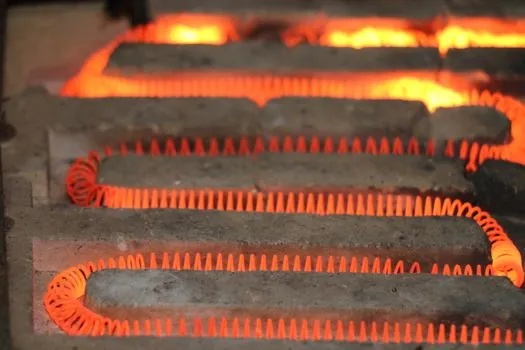
Central holding can consolidate inventory and treatment, while an at-machine holder shortens the final transfer to the casting machine. Selection depends on alloy segregation, transfer distance, traffic, automation, maintenance access and the number of casting machines [S3].
Gas heating can suit sites with economical fuel and high recovery demand, while electric heating provides quiet operation at the unit and precise local control. Utility capacity, emissions, service access and operating cost should be compared on the same duty basis [S3].
For low-pressure or gravity applications, the process still begins with thermal conditioning, but the holding arrangement should be matched to the appropriate gravity die casting machine or low-pressure die casting machine rather than copied from an automated cold-chamber cell.
Limitations that can distort dosing accuracy
A furnace can meet its set-point stability while still producing a poor dose if bath stratification, dross, low inventory or unstable transfer conditions disrupt the sampled melt. Refill turbulence and bath geometry must therefore be included in the acceptance test, not treated as housekeeping details [S3].
Large inventories also expose molten metal longer and increase heat loss, floor load and operating cost [S3]. At the other extreme, insufficient buffer can force rapid recovery after a refill, leaving the bath outside its intended temperature window when the next shots begin.
Thermal uniformity is therefore not equivalent to sensor accuracy. A ±1 °C or ±2 °C control figure applies to the measured temperature condition of the specified configuration, while transfer temperature, bath stratification and level control still affect the mass delivered to the shot [S1][S6].
Source acceptance data and operating evidence
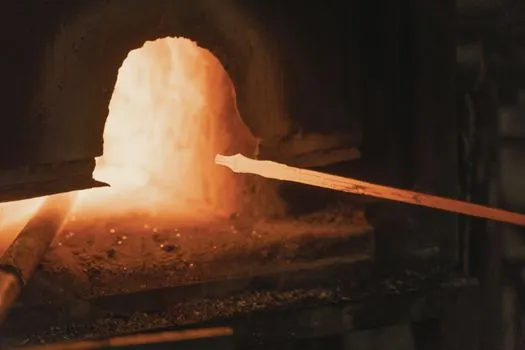
The equipment review should record alloy, required capacity, operating schedule, utilities, loading and discharge method, layout limits, safety responsibilities and acceptance criteria [S3]. Minimum operating level, normal reserve, maximum bath and the alloy-change procedure also define the intended operating window [S3].
For the dosing system used as a reference, refractory concrete with back insulation is documented to provide service life up to 10 years under normal operating conditions when operated properly [S1]. The die-casting die and machine should then be evaluated against the furnace’s validated output rather than assumed to absorb thermal variation.
A practical commissioning record should compare set-point stability, measured bath and chamber temperatures, dosing mass deviation, refill recovery, transfer temperature loss and dross behavior over representative loads and interruptions. This links furnace performance to the actual dose received by the die-casting machine, rather than accepting a furnace-only temperature guarantee.
Two trackable signals determine whether the thermal design supports dosing accuracy: repeatable dose deviation under stable production and the recovery time after a defined refill. If either changes when the bath level, refill rate or transfer condition changes, furnace sizing or heating architecture requires review [S1][S3].