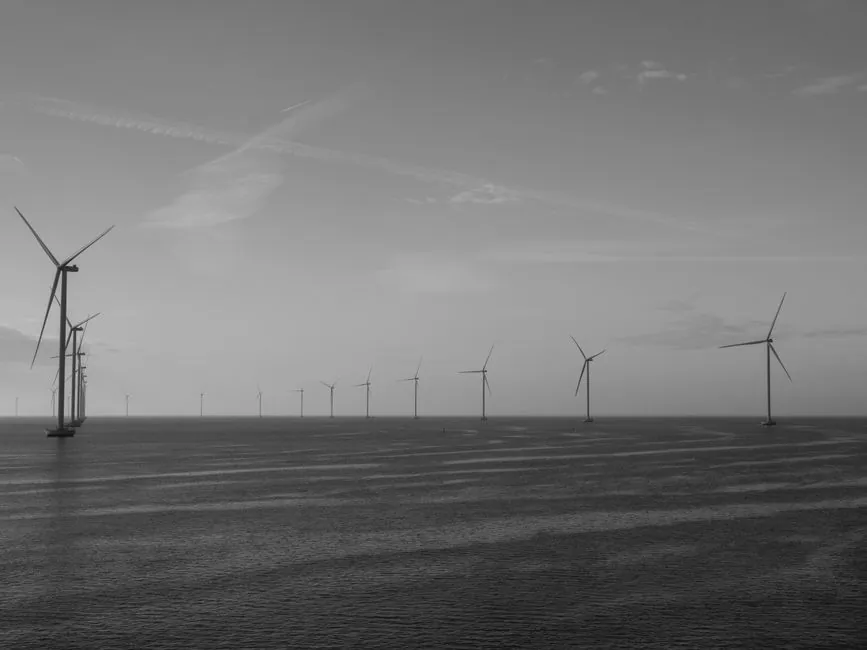
Offshore HVDC converter-platform procurement requires 54–72 months before delivery in 2026, with manufacturing capacity and long-lead electrical equipment setting the practical schedule [S5].
The market covers fixed and floating offshore HVDC platforms, with VSC technology serving as the main technology focus and long-distance transmission efficiency identified as a primary growth goal.
54–72 Months Defines the 2026 Procurement Window
Offshore HVDC converter-station orders require buyers to plan for 54–72 months, or 4.5–6 years, before the converter station is delivered [S5]. That interval covers engineering, supplier allocation, manufacturing and project execution rather than production alone, so a nominal factory slot does not translate directly into an energized offshore export system.
The broader transmission market also faces long lead times across transformers, cables and converter equipment, with supplier backlog identified as a market constraint [S7]. Converter platforms are therefore one element in a linked schedule: offshore substations, export cables, transformers, switchgear and onshore receiving stations must all be coordinated rather than purchased independently.
One procurement distinction matters: onshore point-to-point converter stations and offshore converter platforms do not share identical supply-chain conditions, which is why a generic HVDC lead-time figure is too broad for an offshore platform tender [S5]. Developers should establish the required scope, including whether the package contains the topside converter, offshore transformer substations, platform electrical infrastructure and marine interfaces.
Standardization Reduces Risk, but Not the Queue
Standardized 525 kV HVDC equipment orders for converter platforms and transmission cables have exceeded USD 36 billion, supporting the scaling of a global supply chain.
Standardized 525 kV HVDC equipment orders for converter platforms and transmission cables have exceeded USD 36 billion across multiple vendors. These figures show why standardized specifications can attract capacity, but they also reveal intense competition for the same qualified suppliers and fabrication slots.
For 2026 planning, the relevant choice is not between a project-specific platform and a standard platform in the abstract. It is between a defined reference design with a documented production pathway and a bespoke configuration whose interfaces, approvals and manufacturing chain must be qualified. The 525 kV approach is credible where the project rating, cable system and converter configuration align; it is not a substitute for project-specific voltage, fault-current and marine-design studies.
Fixed and Floating Platforms Need Different Schedules
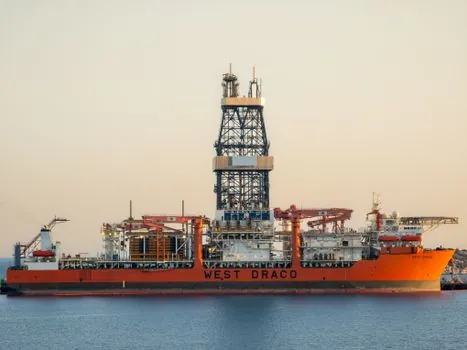
Fixed platforms led the offshore HVDC platform market by platform type in 2025, while floating platforms were forecast to grow at the fastest rate through 2035 [S1]. The market reached USD 9.50 billion in 2026 and was projected to reach USD 25.30 billion by 2035, an 11.50% compound annual growth rate [S1].
A fixed installation concentrates schedule risk in marine construction, jacket or foundation work, heavy-lift installation and topside commissioning. A floating platform adds towing, marine-operation, mooring and dynamic-cable interfaces to that sequence. The electrical lead-time band remains a procurement constraint, but the interface list changes materially between the two structures.
The fixed segment held the dominant share of the offshore HVDC platform market in 2025, while the floating segment is expected to grow at the fastest CAGR over the forecast period. Larger ratings can increase converter-module count, transformer mass, platform footprint and installation effort, so a single 54–72 month forecast should not be applied without checking whether the supplier quotation covers the complete electrical package.
VSC-HVDC Requires Integrated Control and Protection
Offshore VSC-HVDC design must coordinate transmission architecture, converter control, fault ride-through and protection rather than treat these as independent packages [S4]. The 2026 review integrates transmission, control, fault ride-through and protection strategies for offshore wind farms using VSC-HVDC systems.
The market's main technology focus is VSC, and improved efficiency in long-distance power transmission is identified as a primary goal for market growth. These benefits affect platform layout, weight checks, fire zoning and maintenance access, not just electrical losses.
DC fault behavior is a separate engineering constraint. The reviewed literature identifies DC fault protection, fault-current limitation, selective isolation, post-fault recovery, grid-forming control, hardware-in-the-loop validation and cybersecurity as unresolved or demanding design areas [S4]. Specifications should therefore require interface data for protection coordination, including converter controls, cable fault levels, recovery sequences and communication boundaries.
Cables and Transformers Can Move the Completion Date
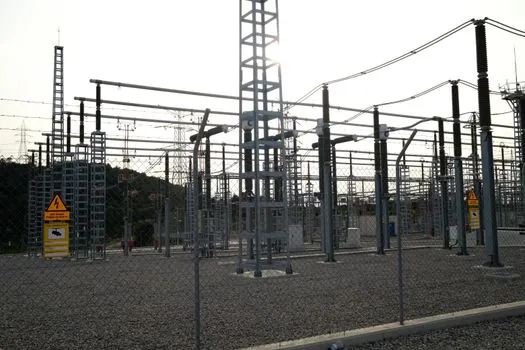
High-voltage cable procurement should be treated as a separate schedule dependency rather than folded automatically into the converter-platform lead time. Public procurement analysis for 2026 places high-voltage cable lead times at 12–18 months, and the HVDC supply-chain context identifies both transformer and converter backlogs as constraints [S7].
Power transformers face their own extended production cycle, with a separate 2026 market review placing transformer lead times near three years. For offshore export equipment, the cable, converter transformer and valve packages must arrive in an installation sequence compatible with platform readiness. The controlling date is therefore the earliest date on which the complete export path can be commissioned, not the delivery date of one cabinet or converter module.
Developing offshore substations also need separate interfaces. One HVDC1000 reference arrangement uses three offshore platforms: one with a VSC converter and two with 520 MVA substations, plus an onshore station [S8]. That example shows how converter delivery can be embedded in a wider offshore network architecture, with additional substations affecting topside loading, cable interfaces and platform construction.
Permitting Must Run Before Manufacturing
Transmission-equipment lead times and the schedules for onshore and offshore permitting sit on the same critical path, making early permit strategy essential to project delivery [S2]. A 54–72 month equipment interval cannot be compressed reliably if environmental consent, grid connection or marine approvals remain unresolved when fabrication is ready to start.
Procurement packages need an interface baseline covering voltage, rated power, cable voltage, converter topology, control requirements, fault ride-through, protection, transformer configuration, platform type and marine installation method. The 525 kV standardized approach provides a useful reference when a project fits that architecture, while 320 kV systems remained the near-term US option over a stated five-to-eight-year deployment window in the cited policy letter [S2].
Orders also require early allocation of scarce production resources. The standardized European program generated more than USD 36 billion in 525 kV platform and cable orders, and TenneT’s converter award to Hitachi and GE totaled EUR 23 billion [S2]. Buyers should secure a supplier slot, agreed technical deviations and milestone payments before assuming a project can recover from a delayed permit or manufacturing release.
Supplier Capacity Determines Delivery Confidence
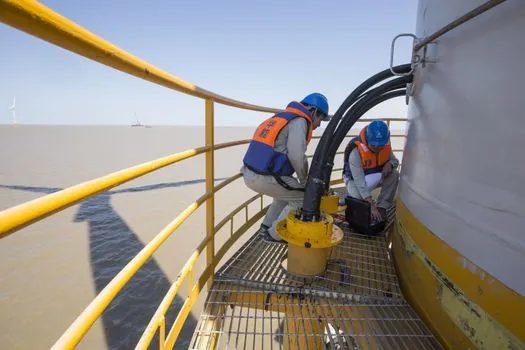
Aibel completed the Link 2 offshore wind HVDC converter platform for Ørsted on 30 September 2026, confirming that new offshore HVDC delivery remained active during the same year [S9]. A completed project is evidence of delivery capability, but it does not by itself establish a standard lead time for every converter platform because scope, platform design and contract structure differ.
Supplier assessment should separate four milestones: design freeze, manufacturing release, factory completion and offshore delivery. Each milestone needs an owner and documentary gate. Design changes made after manufacturing release can move the delivery date even when converter modules are already in production.
Buyers should also test whether quoted lead times include cable drums, transformer substations, converter valves, control protection, auxiliary systems and platform commissioning. A quote covering only the converter cubicle may omit the transformer substations and offshore platform equipment that determine field readiness. For 2026, the defensible planning range is 54–72 months for converter-station delivery [S5], but the integrated project schedule requires a separate bottom-up forecast for every long-lead package.
The trackable procurement signals for 2026 are converter and transformer order-book allocations, cable delivery windows, design-freeze dates and permitting milestones. A credible schedule aligns all four with a 54–72 month converter-station delivery assumption rather than treating that range as the duration of the complete offshore export system [S5].