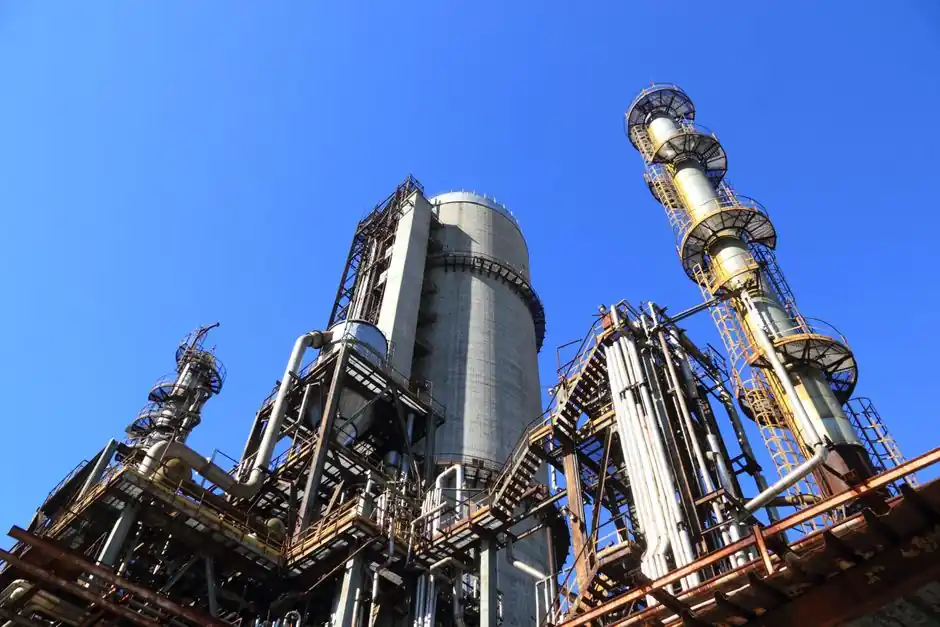
Chemical-plant smoke detection cannot be selected like an office spec: the controlling document for insured sites, FM DS 7-14 (April 2026), requires that detectors be chosen for the gas or vapor presenting the highest risk, defined by the lowest LEL, lowest ignition temperature, and largest percentage of the flammable envelope in the area [S2].
In practice that means a single photoelectric point detector, the workhorse for hotels and offices per [S1], is rarely sufficient on its own. Process enclosures, loading racks, and outdoor pipe racks call for a layered stack: point smoke, heat, flame, aspirating smoke detection (ASD), and beam detectors, each chosen against the fire signature of the credible fuel [S2][S5].
Hazard-Driven Selection Logic from FM DS 7-14
FM Global's DS 7-14 (April 2026) replaces any "general-purpose" approach with a hazard-tiered one: detector choice is driven by the gas or vapor with the lowest LEL, lowest ignition temperature, and largest concentration envelope present in the room or zone [S2]. That triple criterion shifts a paint warehouse, a solvent pump skid, and a hydrogen compressor shelter into completely different detector lists even when floor area is identical. The data sheet also calls out that detector placement must account for mechanical ventilation, ceiling height, and air movement, all of which stratify smoke and degrade standard ceiling-mount spacing rules [S2][S5].
Detector Technologies and Where Each Fits
Photoelectric (light-scattering) point detectors are the most common type for indoor office-like occupancies and respond well to smoldering fires, but the sensing chamber is blinded by heavy dust, oil mist, and water vapor common in chemical process areas [S1]. Ionization chambers, once standard for flaming fires, have largely fallen out of favor due to radioactive-source handling and false alarms from background aerosols, and most current chemical-plant guides no longer list them as first choice [S5].
Aspirating smoke detection (ASD) pulls air through a pipe network to a high-sensitivity laser chamber, giving sensitivity 100 to 1000 times higher than point detectors and tolerating dirty environments through multi-stage filtration, which is why ASD is the typical pick for control rooms, electrical switchgear rooms, and clean chemical storage [S5]. Linear heat detection cable (LHDC) and fiber-optic linear heat are deployed on cable trays and conveyor galleries where point detection cannot reach [S2]. UV/IR and IR3 flame detectors, with typical 90-degree cone field of view and multi-spectral false-alarm rejection, cover outdoor loading/unloading stations and hydrocarbon handling where fires ignite without a smoke signature [S2].
Addressable vs. Conventional Panel Architecture
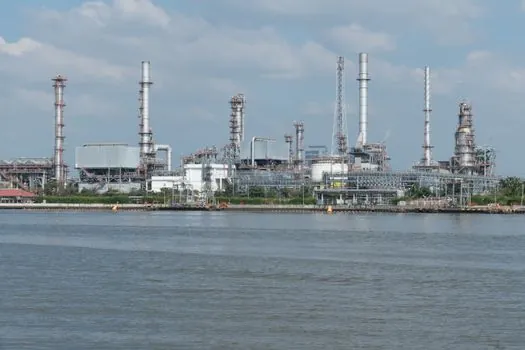
Conventional systems group detectors into zones, so a panel can only identify which zone went into alarm, not which individual detector, which limits the technology to smaller plants and is generally not suited to large multi-hazard chemical facilities [S4]. Addressable systems give every detector a unique address on a loop, allowing the panel to log drift values, isolate the exact device in alarm, and support cause-and-effect logic for deluge, gas isolation, or HVAC shutdown that a chemical plant typically requires [S4]. For a working comparison, a conventional zone-based panel suits small ancillary buildings (warehouses, small admin), while addressable loops are the default for process units, tank farms, and loading racks, where a single false alarm can trigger an expensive emergency shutdown.
Site Factors That Override Catalog Choices
Detector selection in chemical plants should always depend on the specific site environment, including expected fire risk, dust loading, air movement, ceiling height, and the connected alarm system architecture, not on a generic "best detector" claim [S5]. FM DS 7-14 reinforces this by tying detector spacing to the spill-fire and three-dimensional fire scenarios characteristic of liquid-chemical handling, where a pool fire under a raised vessel can shield ceiling-mounted detectors from smoke [S2]. Common engineering consequences: reduced detector spacing on cable trays, beam or ASD across high-bay process halls, flame detectors on open-frame process structures, and remote indicator LEDs outside sample rooms, a routine conventional-system add-on that shortens the time to locate the activated head [S4]. For an asset-protection view of how detection ties into suppression, see fire extinguisher selection by hazard class.
Maintenance, Traceability, and Detector Life-Cycle
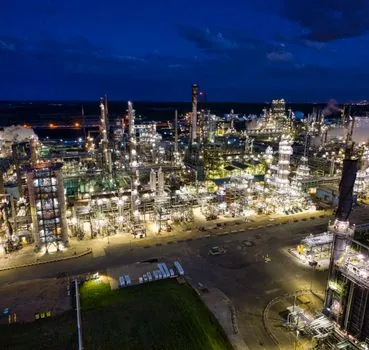
Optical smoke detectors, the most common type in commercial occupancies, drift in sensitivity as dust loads the chamber, and periodic functional testing with documented traceability is mandatory to keep insurance coverage and code compliance intact [S1]. The Siemens 2026 maintenance note recommends recording device serial, test method, sensitivity reading, and pass/fail result for every detector, then trending the data so a chamber approaching its end-of-life can be replaced before it false-alarms or, worse, fails to alarm [S1]. The same logic applies in chemical plants, where addressable panels make this data capture automatic, while conventional zones still require manual logging per detector [S4].
Decision Matrix: Detector Type vs. Chemical-Plant Application
A practical comparison for 2026 specs, grounded only in what the research supports: photoelectric point detectors suit clean control rooms and small admin blocks; ASD suits electrical switchgear rooms and clean chemical stores; beam smoke suits high-bay process halls with ceilings above roughly 8 m; UV/IR flame detectors suit outdoor hydrocarbon loading stations and compressor shelters; linear heat detection cable suits cable trays, conveyor galleries, and rotating equipment; conventional zone panels suit small ancillary buildings; addressable loops suit the process unit itself [S2][S4][S5]. For background on the smoke detector sensing principle and how it compares to point gas detection such as a gas detector or a dust detector used for combustible-dust atmospheres, the encyclopedia entries on each technology are the starting reference, with the companion chemical anchor and chemical material pages putting the choice in the context of the surrounding process materials. In enclosed process cabinets where air is stagnant, ASD outperforms point detection; outdoors, flame detection outperforms smoke detection; in dusty solids handling, heat or flame wins over smoke, which is why the FM rule of selecting against the highest-risk fuel, not the most common fuel, matters [S2].
Verify on the next drawing revision: confirm each detector's sensing technology is matched to the credible fuel signature in its zone per FM DS 7-14 §2.4.12 (April 2026), and confirm the panel architecture supports per-detector drift logs so 2026 maintenance records meet the traceability standard published in [S1]. If the process is later expanded with new solvents or higher heating-value stocks, rerun the LEL/ignition-temperature screening, because a single new chemical at a lower ignition temperature will re-rank the entire detector list.