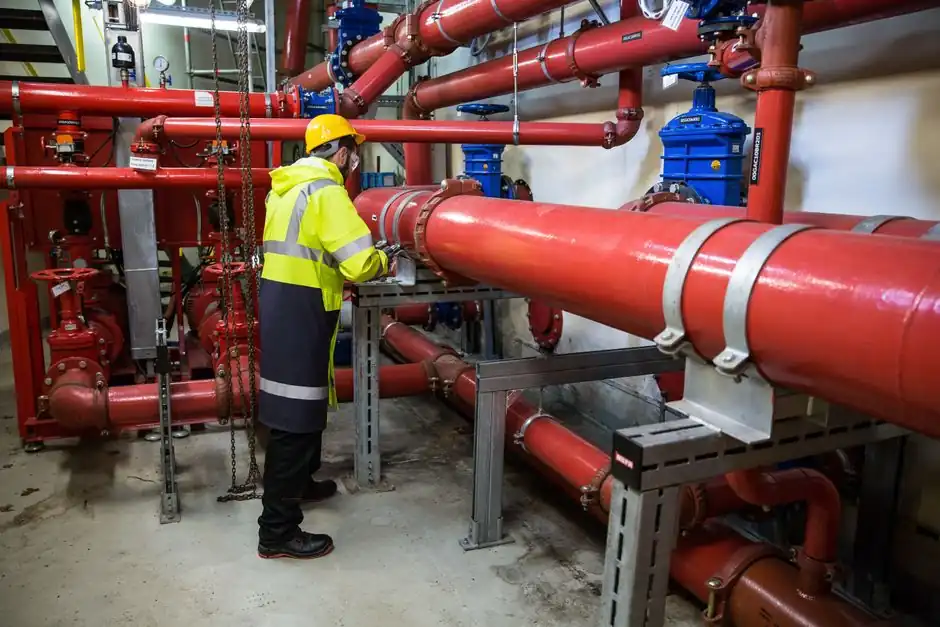
Steam separator internal baffle inspection runs on a roughly 12-month cadence for watertube drums, with the outage window tied to the annual boiler internal examination rather than a fixed calendar quarter [S7].
Plants operating above 150 psig add weekly-to-monthly steam trap and pressure-side tests, while medium-pressure 30-150 psig systems drop to monthly-to-quarterly checks, so the inspection stack is layered by pressure tier rather than a single number [S5].
Why the 12-Month Drum-Internal Window Sets the Baffle Cadence
Primary steam separators live inside the steam drum, and access for baffle, chevron, or scrubber-element inspection requires drum-internal disassembly, a job the industry treats as a yearly event [S7]. Once the drum is open, baffle condition, carryover vanes, and demister pads get a hands-on visual alongside waterwall and tube-sheet inspections, so a separate baffle-only shutdown is rarely justified [S7]. On watertube units, that 12-month cycle matches the NFPA 85 boiler inspection rhythm and the ASME CSD-1 hot standby expectations used at most utility and large industrial sites [S1].
For firetube or coil-only packages where drum internals are not directly accessible, baffle condition is inferred from steam quality, downstream conductivity, and carryover sampling; in that case the verification interval is still annual, but the physical check happens at the next available drum-entry opportunity [S1][S3].
Pressure-Tier Test Stack: Traps, Relief Valves, and the Separator Itself
The DOE separates steam-side maintenance into three pressure bands: 150 psig and above tested weekly to monthly, 30-150 psig monthly to quarterly, and below 30 psig annually [S5]. Steam trap failure rates climb toward 30% once a system goes 3-5 years without a structured program, so trap testing is the fastest leverage point in any separator reliability plan [S5].
Safety relief valves sit on their own clock: at least one per boiler tested monthly in service, with full removal, bench test, and recertification on a 12-month cycle, all logged with VR-stamped documentation [S1][S2]. Non-fired pressure vessels (condensate receivers, deaerators) that bracket the separator are inspected annually at minimum or during the next planned shutdown, using ultrasonic thickness testing (UTT) on pitting and wall-thinning suspect zones [S2]. For a full steam separator reliability program, the drum-internal 12-month visit becomes the anchor that all the shorter-interval checks point toward.
Symptom-Driven Triggers That Force an Off-Cycle Baffle Inspection
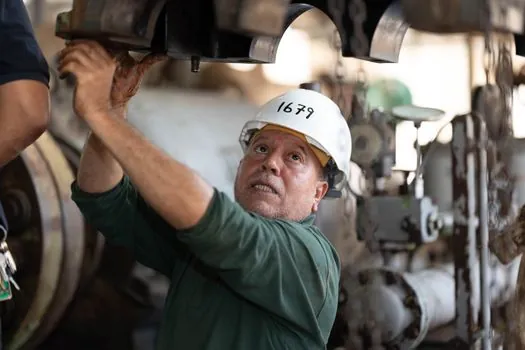
Carryover spikes on the downstream conductivity meter, a sudden rise in superheat temperature variance, or visible salt on the first-stage superheater tubes are the classic indicators that a baffle or chevron pack has torn, fouled, or migrated, and any of those symptoms is grounds to open the drum before the next annual cycle [S1][S2]. The OxMaint 2026 boiler checklist flags drum water-level discrepancy between gauge glass and DCS as a same-day trigger, and the same is true for separator carryover since both ride on drum-level stability [S1].
On the wet side, 1/32 inch of hard scale on tube walls already costs more than 7% in thermal efficiency, and that fouling load eventually migrates to baffle surfaces, so rising fuel cost per unit steam without a clear combustion cause is a soft trigger to schedule a baffle look [S1]. Operators who see orange-tinted sight glasses or repeated condensate return temperature spikes are also seeing corrosion product that often originates upstream of the steam trap and collects on separator internals, another reason to advance the inspection [S2].
What to Verify During the Baffle Inspection Itself
Inside the drum, technicians should check baffle fasteners for erosion, measure remaining thickness on wear plates, and look for salt or iron-oxide bridging across chevron gaps, with any single gap exceeding 1/8 inch flagged for element replacement rather than cleaning [S1][S7]. ASME BPVC Section I governs pressure-side integrity on the drum shell, while the internal baffle itself sits under the manufacturer's design and the plant's own reliability standard; either way, photographic records of baffle condition are required to support the next 12-month trending review [S1].
On the wet side, the same drum visit should pull tube-sheet and downcomer samples, log pH and conductivity, and confirm the continuous blowdown conductivity control valve is not hunting, because unstable chemistry shortens baffle life between outages [S1]. Plants running in series with a cyclone separator for secondary stage moisture removal should also inspect the cyclone inlet and vortex finder for the same fouling pattern, since a primary baffle failure usually shows up first as cyclone pressure-differential drift.
Comparison of Inspection Approaches by Plant Type
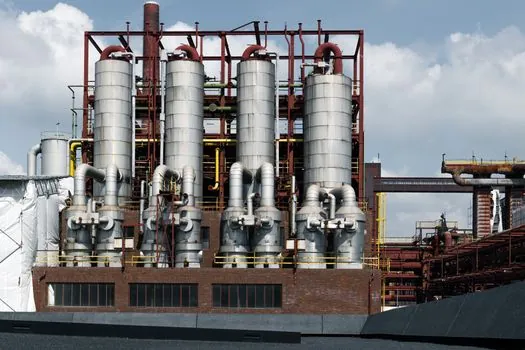
For utility-scale watertube boilers with ASME Section I stamp and NFPA 85 compliance, the 12-month drum-internal baffle check plus weekly-to-monthly high-pressure trap testing is the baseline [S1][S5]. Industrial firetube plants without drum-entry access default to annual verification via steam quality and conductivity trending, accepting slightly higher carryover risk in exchange for not opening the vessel [S3].
Process plants running at 30-150 psig with packaged boilers land in the middle, with monthly-to-quarterly trap and pressure-side tests, an annual vessel inspection, and baffle checks folded into the same 12-month outage as the safety relief valve recertification [S2][S5]. The three options line up against four decision criteria: drum accessibility, pressure tier, outage cost, and acceptable carryover risk, with utility watertube scoring best on accessibility and risk, firetube scoring best on cost, and the packaged middle path scoring best on balance for typical process steam loads [S1][S2][S3][S5].
Documentation, Compliance, and When to Skip Repair
Comprehensive maintenance records are not optional, and per the 49 CFR § 195.432 framework for in-service breakout tanks, intervals must not exceed 15 months for the pressure-side inspection equivalent, which most plants align to a 12-month drum cycle to keep buffer for scheduling [S6]. For separator-only documentation, structured CMMS records with photos, UT readings, and chemistry logs feed both the regulatory audit and the next outage scope, replacing memory-based walk-downs with measurable trend lines [S3].
Repair-versus-replace decisions on baffles turn on three thresholds: visible cracking through the baffle body, more than 20% material loss on a wear surface, or any fastener failure that has allowed a chevron pack to migrate, all three are replacement triggers, not patch-and-return [S1][S7]. When baffle condition is marginal but the drum cannot be opened outside the planned outage, the safe path is to cap load, tighten carryover sampling, and book the next drum entry, not to defer indefinitely, since deferred baffle work on a pressure transmitter-protected drum is one of the higher-cost failure paths in a steam plant [S1][S2].
Track two signals over the next 6-12 months: the ratio of forced outages attributed to steam-side carryover versus water-side tube failure, and the percentage of traps replaced during the 12-month drum outage, both of which directly indicate whether the current baffle inspection cadence is holding or needs to drop to a 9-month cycle at high-pressure units [S1][S5]. Plants that have paired a float steam trap with a downstream condensate separator have a useful internal benchmark, since the trap failure rate is a leading indicator of what the baffle is being asked to handle.