
Pulp and paper steam-trap selection should match the trap to condensate load, operating pressure, differential pressure, backpressure, and the consequences of failure.
Thermostatic traps suit temperature-sensitive process duties, while float, inverted bucket, and orifice designs address higher-capacity or variable condensate duties, subject to site-specific sizing [S3][S4][S5].
Steam Trap Duties Across Pulp and Paper
Steam traps discharge condensate and non-condensable gases while retaining live steam, making them a critical part of paper-machine heating, pulp cooking, and steam-main drainage [S4].
Paper production uses steam extensively, particularly in the drying section, where poor condensate removal reduces heat transfer and can disrupt product quality [S1]. A failed trap has two distinct failure modes: a leaking trap wastes steam, while a failed-closed trap causes condensate backup, water hammer, reduced heat output, and possible damage to piping and equipment [S1][S2].
The mechanical design principle determines how the trap detects and reacts to the steam-condensate phase change. Temperature, pressure, and density differences are the operating principles used to distinguish steam from condensate [S4]. For equipment selection, a basic steam trap should be located and sized for its actual drainage duty rather than selected by nominal pipe size alone.
Compare the Main Trap Types
Thermostatic, thermodynamic, and mechanical traps are the principal operating categories, and their selection depends on load profile, discharge pressure, and the consequence of a leak or blockage [S3][S4].
A balanced selection rule is straightforward: use a thermostatic trap when stable process temperature is the primary requirement, use a thermodynamic or orifice device for suitable low-to-moderate drainage duties, and use a float or other mechanical trap when high or widely varying condensate loads dominate [S3][S4]. These are selection tendencies, not a substitute for checking the manufacturer’s capacity curves.
Size for Condensate Load and Pressure
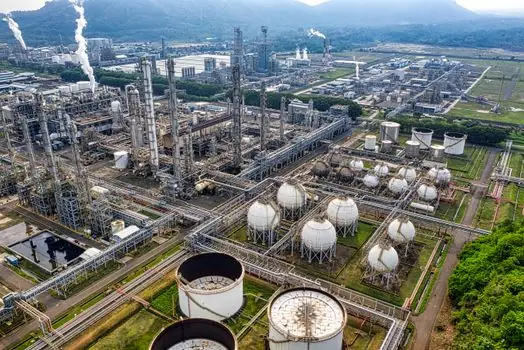
Steam-trap selection must be based on the condensate load, operating pressure, differential pressure, backpressure, and the specific application, not simply the steam-main or equipment size [S5].
At minimum, compile the normal, startup, peak, and minimum condensate loads; steam pressure and temperature at the trap inlet; pressure or vacuum at the discharge; and the available condensate-return arrangement. Selection must also account for rapid load changes, partial-load operation, and seasonal variation because the condensate rate changes with those conditions [S4].
The trap must remove condensate at the expected rate without discharging excessive live steam. A trap that is too small creates a condensate backup and water hammer, while a trap that is too large can increase the pressure drop and live-steam loss [S4]. Independent guidance identifies operating pressure, differential pressure, condensate load, and backpressure as primary selection inputs [S5].
For a complex mill steam system, verify whether upstream equipment has already separated the steam before the drain reaches the trap. The functional distinction is explained in Steam Separator vs Steam Trap: Function, Location, Spec Criteria.
Match Drainage Duty to Process Risk
A pulp and paper mill should not apply one trap type to every service because drainage duties range from high-temperature treatment to paper-machine heating and general steam-main drainage [S2][S7].
For the high-temperature treatment system, condensate must be removed promptly to preserve heat output and avoid water logging. The same installation should also be checked for water hammer, since condensate backup can wear pipework and create safety concerns [S2]. The associated steam separator and drainage arrangement should be assessed as part of the complete steam system rather than treated as a substitute for trap capacity.
For paper-machine drying and other stable heat-transfer duties, thermostatic traps are generally the more appropriate baseline because they respond to condensate temperature and can support controlled condensate discharge [S3]. Inlet strainers, isolation valves, blowdown provisions, and access for inspection should be included in the installation design, since even a non-wearing trap can require periodic strainer cleaning. A paper-mill installation using GEM traps reported operation for more than 20 years, with occasional strainer cleaning identified as the maintenance requirement [S2].
The mainstream thermostatic option should not be used automatically where startup condensate is large, load swings sharply, or a failed-closed trap would remove critical heat-transfer capacity. Those conditions favor a trap with suitable high-load capacity and a documented fail-open or fail-safe behavior, subject to process risk review.
Control Failure Consequences, Not Just Steam Loss

Steam-trap reliability has two measurable failure consequences: energy loss from leakage and process loss from condensate backup [S4].
Industry estimates cited for the paper industry place annual steam-trap failure rates at 15–30%, and large paper mills may contain hundreds or thousands of traps [S1]. The failure percentage is a fleet-level estimate, not a basis for sizing or maintenance intervals. For each location, the engineering review should identify whether a failure causes steam loss, water hammer, lost heat output, blocked drainage, product-quality disturbance, or equipment damage.
Some failures are more damaging than others. A leaking trap consumes live steam and adds associated carbon emissions, while a failed-closed trap can interrupt production and create a water-hammer hazard [S1][S2]. Acoustic monitoring can identify ultrasonic signatures associated with leaks, blockages, and blow-through conditions, while a wireless transmitter permits non-invasive retrofit without shutting down operations [S1].
Monitoring does not replace correct selection. The acoustic device detects operating symptoms, whereas the mechanical and hydraulic selection must still cover inlet pressure, capacity, discharge pressure, and the required failure response. For large trap populations, monitoring can provide an auditable route to identify failed units and quantify steam loss for carbon accounting [S1].
Verify Materials, Installation, and Maintenance
Steam-trap material selection must reflect the steam pressure, temperature, chemistry of the condensate, and the mill’s corrosion environment, while installation details must preserve the certified trap performance. [S5]
Stainless steel, cast steel, and other construction options have different pressure, temperature, and corrosion limits, but the research does not provide a universal material grade or temperature ceiling for every pulp and paper service. The procurement specification should therefore use the manufacturer’s approved material grade for the selected model and the exact pressure and temperature rating shown in its datasheet. It should also define end connections, seat leakage class, vent arrangement, and whether the discharge is gravity-flow or pumped.
Installation should provide the specified upstream strainer, isolation and drain provisions, sufficient straight pipe where required by the model, and a safe discharge route. Condensate-return piping must be checked for restrictions, elevation, air ingress, and backpressure. A high-capacity trap installed on a marginal return line is not a functioning capacity solution.
Maintenance planning should distinguish inspection frequency from service life. The Scottish paper-mill installation reported more than 20 years of GEM trap operation and occasional strainer cleaning [S2]. That is a reported case result, not a universal warranty or replacement interval. Equipment-specific operating limits and maintenance instructions should control the mill’s program.
Selection Checklist for Mill Projects
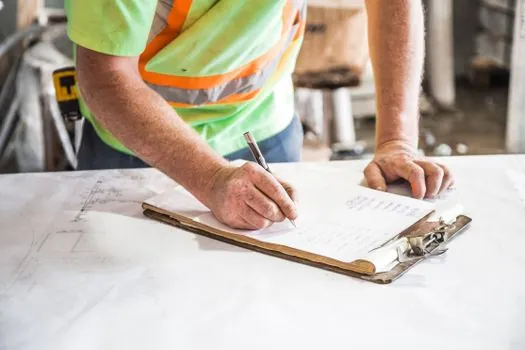
A defensible steam-trap specification requires at least five documented inputs: condensate load, inlet pressure, discharge pressure or backpressure, operating temperature, and the required failure response. [S4]
For each service, label the trap duty as process temperature control, steam-main drainage, high-load drainage, equipment drainage, or condensate recovery. Then compare candidate models against capacity at normal and peak load, allowable pressure and temperature, discharge-pressure sensitivity, venting behavior, materials, maintenance requirements, and fail-closed or fail-open consequences [S3][S5][S6].
The shortlist logic is: select thermostatic traps for stable, temperature-critical process heating; select thermodynamic or orifice-type traps for suitable drainage applications with confirmed capacity; select float or other mechanical traps for high or variable condensate loads. Reject any candidate that cannot pass its capacity check at peak load or whose failure mode threatens critical production equipment [S4][S7].
Before purchase, obtain the manufacturer’s sizing calculation and capacity curve, verify inlet and discharge pressure limits against the mill steam system, record the materials and model code, and define inspection or monitoring coverage. If continuous monitoring is justified, the Rosemount Acoustic 708 is a named wireless option in the pulp and paper application, but it is a monitoring layer, not a replacement for hydraulic sizing [S1].