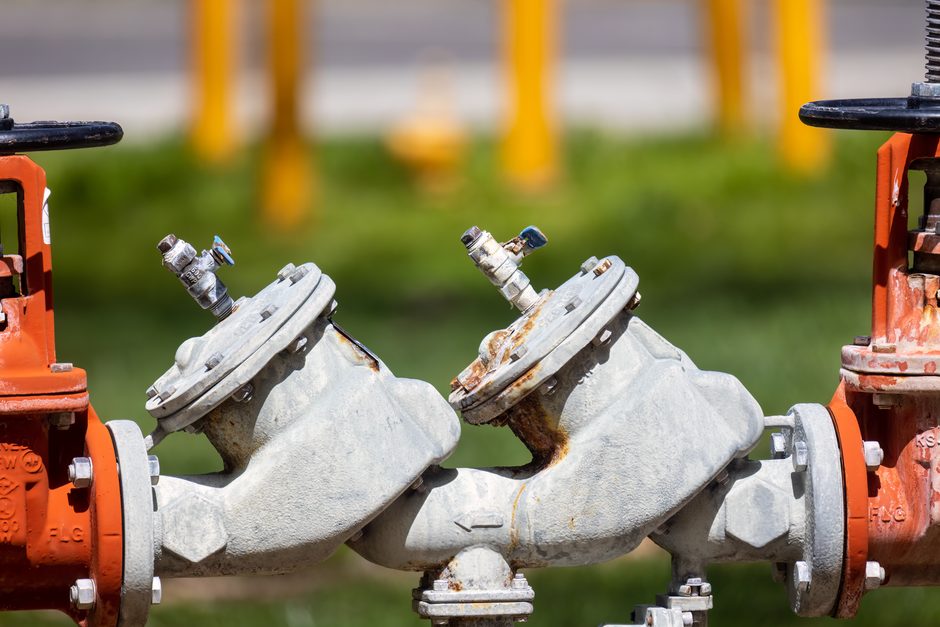
A steam trap is a self-actuated valve that discharges condensate and non-condensable gases (air, CO2) from a steam system while retaining live steam, and selection is governed by the heating equipment's operating pressure, condensate load, and air-handling demand [S1]. The seven standard mechanical categories in production today are inverted bucket, ball float, thermodynamic disc, thermostatic bimetallic, thermostatic bellows (film box), pump/steam trap combination, and pilot-inverted bucket — each with a defined pressure/temperature envelope [S1].
Selection on a "fit the equipment first" basis, then cost, is the long-standing engineering rule applied by Chinese steam-system specifiers, and the seven evaluation items most commonly listed are: minimum steam loss, long service life, air discharge, CO2 discharge, corrosion resistance, back-pressure tolerance, and high-pressure return-line capability [S4]. Energy lost through failed or undersized traps is the single largest avoidable cost in any saturated steam network, so type-matching the duty to the trap is the first engineering decision on a steam-line spec sheet [S1][S3].
Six Main Trap Types and Their Operating Pressure Bands
Ball float (continuous condensate discharge) is the workhorse for high-load, steady-state heating coils at 0.05–1.6 MPa saturated steam, while inverted bucket handles intermittent loads up to 4.0 MPa with built-in air venting through a small bleed orifice [S1]. Thermodynamic disc traps operate across 0.1–6.4 MPa saturated and superheated steam, are compact, and discharge sub-cooled condensate near steam temperature, but are sensitive to water-hammer and are typically not used on steam lines below 0.1 MPa [S1][S3].
Thermostatic bimetallic traps use a stack of bimetallic discs that snap open at a sub-cooling delta (commonly 5–30 °C below saturation) and are widely used on tracing lines and drip legs where sub-cooled condensate is acceptable [S1]. Thermostatic bellows (film-box) traps sit at the low-pressure end, typically 0.02–0.8 MPa, and discharge condensate close to saturation temperature with full air venting on start-up [S1]. Pilot-inverted bucket and pump/trap combinations are the engineered upgrades: pilot units add a guided seat for tight shut-off at high pressures (up to 17 MPa class), while pump/trap modules raise condensate against return-line back-pressure without a separate condensate pump [S1].
Decision Criteria: Load, Pressure, Back-Pressure, Air Handling
Condensate load sets the trap orifice size and is the first hard number on the data sheet — undersizing it causes waterlogging, water-hammer, and thermal-shock damage to the downstream equipment [S1][S3]. Steam pressure (and the matching saturation temperature) defines the body rating class, usually stamped PN16/PN25/PN40/PN63 or ASME Class 150/300/600, and the seat material must be compatible with the saturation temperature band [S1].
Back-pressure ratio (discharge-side pressure over inlet steam pressure) is the second hard limit: ball float, inverted bucket, and bellows traps tolerate back-pressure up to roughly 80% of inlet pressure, while thermodynamic disc and bimetallic units are generally limited to about 50% before discharge degrades [S1][S3]. Air and CO2 venting on start-up is a separate duty: only float, inverted bucket, and bellows vents release non-condensables continuously at steam temperature, while bimetallic and thermodynamic disc units rely on the first condensate slug to purge air — a known weak point on cold starts and on batch processes [S1][S4].
Comparison Table: Type vs Four Selection Criteria

The following comparison lines the six principal mechanical trap types against the four duty criteria a process engineer has to clear before purchase: continuous vs intermittent condensate load, typical pressure band, back-pressure tolerance, and air/CO2 venting on start-up [S1][S3]. Use it as a one-page shortlist gate.
Ball float — continuous heavy load, 0.05–1.6 MPa saturated, ≈80% back-pressure ratio, full continuous air venting (best on large process heaters). Inverted bucket — intermittent load, 0.05–4.0 MPa, ≈80% back-pressure ratio, continuous air venting through bleed orifice (best on steam mains and tracer drips). Thermodynamic disc — intermittent load, 0.1–6.4 MPa including superheat, ≈50% back-pressure ratio, no air venting until first condensate (best on high-pressure mains, vulnerable to water-hammer). Thermostatic bimetallic — small load, 0.05–3.0 MPa, ≈50% back-pressure ratio, sub-cooling 5–30 °C air release (best on tracing lines). Thermostatic bellows/film box — small-to-medium load, 0.02–0.8 MPa, ≈80% back-pressure ratio, full continuous air venting (best on low-pressure process heating). Pump/trap combination — continuous heavy load with high return-line back-pressure, matched to specific pump curve, full air venting (best on high-rise returns and condensate-recovery systems) [S1][S3].
Who Should NOT Pick the Mainstream Float Trap
A standard mechanical ball-float trap is the wrong pick on three specific duties: superheated steam mains above 1.6 MPa, processes with severe water-hammer, and condensate lines that run at sub-zero ambient where freeze-up risk dominates the failure mode [S1]. For superheated mains, specify a thermodynamic disc or pilot-inverted bucket; for water-hammer exposure, a thermodynamic disc body with hardened seat and a separate upstream air vessel; for freeze-risk tracing, a thermostatic bellows trap with freeze-resistant body and a small-bore continuous discharge [S1][S3].
Inline steam separators upstream of the trap set are a standard add-on for any high-pressure saturated steam main above 1.0 MPa, because carryover slugs are the leading root cause of trap-seat damage and unplanned shutdown on process heaters. The trap itself cannot separate water from steam — that is a separator's job — so a "trap-only" spec on a wet main is a known false economy [S1].
Use Cases Mapped to Trap Type
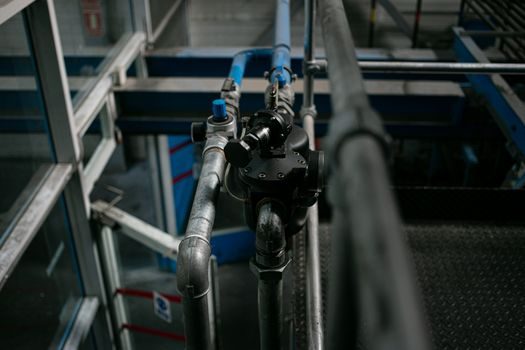
Process heat exchangers and reboilers with steady, heavy condensate load pair with ball-float traps sized 1.5–2× the calculated kg/h load to absorb start-up surges [S1][S3]. Steam main drips and tracing headers with intermittent, low condensate load are the inverted-bucket and bimetallic zone, because the air-bleed path and small discharge orifices tolerate the long idle periods between slug flows [S1]. High-pressure superheat mains, sootblower supply lines, and turbine auxiliaries take the thermodynamic disc or pilot-inverted bucket because the body, seat, and disc materials hold a tight shut-off at 4.0–6.4 MPa [S1].
For condensate-recovery networks where the return line runs 5–15 m above the trap, a steam trap selected as part of a pump/trap combination module is the standard fit, because the internal flash-steam-driven pump stage lifts condensate against a back-pressure ratio that would stall a plain float or bucket trap [S1]. An industrial valve specifier building a full condensate manifold usually couples the trap station with a flow meter on the return header, so failed-open traps are flagged by an unexplained condensate-rate jump within one shift [S1].
Sourcing and Vendor-Boundary Notes for 2026
Zhejiang Newton Fluid Control Co., Ltd. is one of the China-domestic specialists publishing the full seven-type steam-trap catalog (inverted bucket, pilot inverted bucket, ball float, thermodynamic disc, thermostatic bimetallic, thermostatic film box, pump steam trap) plus steam manifolds, two-phase flow traps, and air traps, and the company signed an industry-academia agreement with Nanjing University of Technology on 14 July 2025 covering smart steam-system solutions [S1]. B2B sourcing platforms such as Goldsupplier.com list verified Chinese steam-trap suppliers in the Industrial Equipment & Components category, and the same site publishes selection guides that repeat the type-by-duty logic above [S3].
For readers cross-shopping adjacent line items, the engineering logic for sizing the upstream pressure transmitter on a steam header and for selecting a condensate-line pressure sensor follows the same duty-mapping principle — pick the instrument class by operating pressure band, temperature exposure, and condensate compatibility, not by brand familiarity. When the steam-line spec is also feeding a pressure-reducing station, the trap type and the PRV set-pressure interact: set the PRV first, then size the downstream trap on the reduced-pressure saturated-steam curve, and you avoid the classic failure where a high-pressure float trap is installed on a low-pressure PRV outlet and waterlogs the heat exchanger [S1].
Failure Modes and Inspection Signals
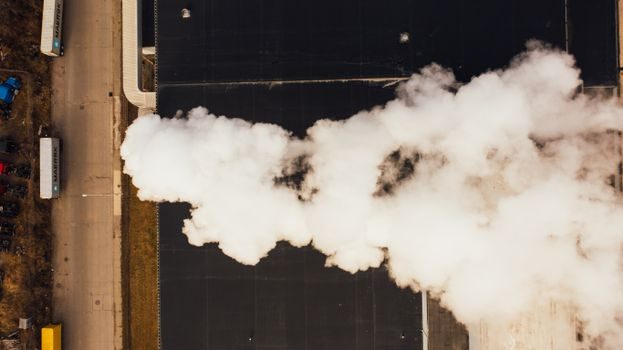
The four recurring failure modes on operating steam traps are: failed-open (live steam blowing through, audible and visible, highest energy loss), failed-closed (no condensate discharge, waterlogged equipment, water-hammer), air-locked (cold-start trap stays closed because air cannot vent), and seat erosion (carryover slugs cutting the seat, gradual leak-by) [S1][S3]. A thermodynamic-disc trap that suddenly drops its discharge temperature 10 °C or more below saturation is leaking live steam; a float trap that discharges cold condensate continuously has a stuck float; a bimetallic trap that never opens on a cold main is air-locked and needs an upstream air vent or a swap to a float/bucket design [S1].
Trackable 2026 signals to watch: published trap failure-rate benchmarks on B2B sourcing guides (Goldsupplier.com currently carries selection-guide content aimed at the same duty-mapping logic) [S3], and the China-domestic vendor community rolling out pilot-inverted-bucket bodies with IoT discharge-temperature probes, following the Newton/Nanjing University of Technology smart-steam-system programme signed 14 July 2025 [S1]. For deeper shortlist logic on the upstream equipment that sits next to a steam trap, see the pressure-reducing-valve sizing guide and the pressure-reducing-valve supplier map.