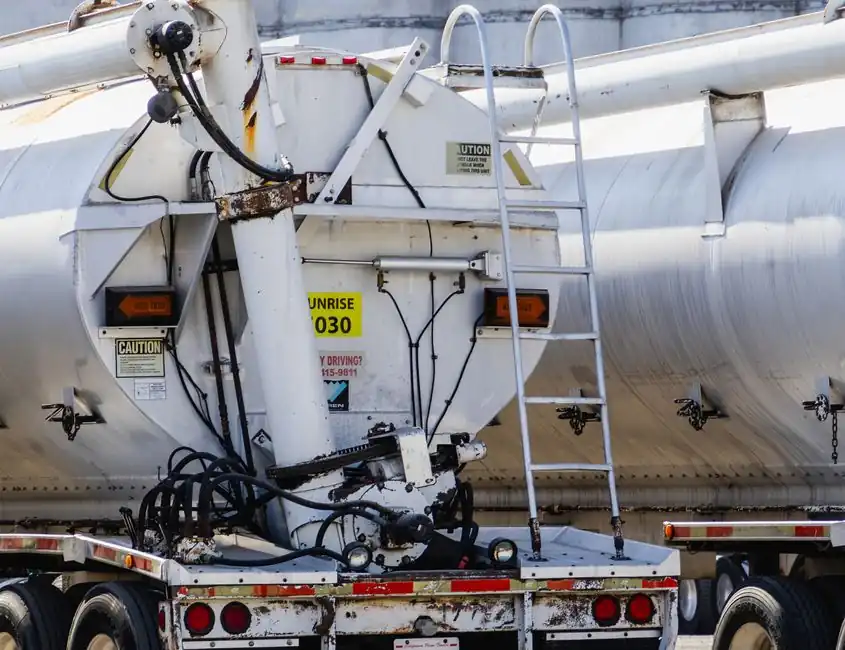
Chemical plants shipping palletized intermediates, drums, and bagged reagents should treat the strapping machine, the strap, and the seal method as one matched system: PET is rated for pallet weights up to 3000 lb, PP is limited to roughly 2000 lb, and steel is reserved for non-compressible loads above 4000 lb or for product with sharp edges that would cut plastic [S1][S3].
The decision also has to account for the load family. PET retains tension through transit, resists shock, and will not rust on outdoor chemical-yard pallets the way steel banding does, while PP tends to relax on settling loads and is therefore a poor match for drums or bagged product that shifts in the first hours after strapping [S3].
Match Strap Material to Load Weight, Edge Profile, and Settling Behaviour
Strap-to-load pairing is the first control point on a chemical shipping line, and the published weight bands are concrete: PP up to 2000 lb, PET up to 3000 lb, steel at 4000 lb and above, with steel also called out for sharp-edged or non-compressible product where plastic would fail [S1][S3].
PP hand and machine grades suit light bundling and corrugated unitizing, but PET has become the default for industrial pallet loads because it stretches to conform to the load, retains tension as the stack settles, and delivers break strength comparable to steel while cutting reported strap-related hand and eye injuries [S3]. One published cost comparison cites plastic strap at up to 40% lower cost and roughly 40% lower coil weight versus steel, with comparable break strength and better shock absorption [S3]. For chemical plants, the additional benefit is corrosion immunity: plastic strap will not rust in weather-exposed yards, and there is no metal-to-product contact to contaminate reactive chemistries [S3].
Machine Class, Seal Method, and Strap Approval Codes
Strapping machines are commonly split into hand tools, pneumatic tools, semi-automatic units, and fully automatic strapping machines with arch or side-seal heads, and the seal method (heat weld, friction weld, or metal seal) must be approved for the specific strap material and thickness running through it [S2][S3].
For rail-shipped chemical loads, AAR-approved strapping is a discrete spec point: only product tested and printed with an AAR approval number by the American Association of Railroads may be labelled as such, and the strap is built to the AAR's rigid specification [S3]. On a chemical line, the practical implication is that a switch in strap supplier, gauge, or coil winding can change how the sealer head behaves, so the strap width, thickness, core size, and roll condition should be verified against the machine spec sheet before any tension or heat adjustment [S2]. This is also why the troubleshooting guidance is to test the suspect strap and a known-good strap back-to-back in the same machine rather than start changing heater settings on the first failure [S2].
Troubleshooting Patterns That Drive the Right Machine Choice
Strap will not feed, strap feeds partway then jams, seal or weld breaks, strap is loose after the cycle, carton corners are crushed, and strap does not cut cleanly are the six recurring symptom classes that map back to a specific subsystem rather than to "the machine" as a whole [S2].
The published quick symptom map attributes feed jams to wrong strap size, damaged roll, dirty guides, tight roll brake, or a blocked arch or pallet path, and attributes loose-strap-after-cycle to low tension, PP relaxation on settling loads, compressible cartons, or an unstable pallet stack [S2]. For chemical operations, two symptoms are particularly load-specific: crushed corners point to over-tensioning or narrow strap on weak board, while a machine that works on one load but not another is a product-specific issue (load size, shape, pallet condition, edge protection) rather than a general machine fault [S2]. The corrective logic, before clearing any jam, opening guards, or replacing wear parts, is to follow the site's lockout and stored-energy procedure, which matches the safe-work-equipment maintenance principle cited in the same troubleshooting reference [S2].
Decision Matrix: PP vs PET vs Steel on Chemical-Ship Loads
Lining the three strap families up against four chemical-shipping criteria makes the choice auditable: maximum pallet weight, behaviour on settling loads, edge and corrosion risk, and seal-method compatibility with common machine heads [S1][S2][S3].
PP (polypropylene) is rated to about 2000 lb, fits moderate settling loads, suits corrugated unitizing and hand-bundling, and is the lowest-cost option but relaxes on settling stacks and is not the right match for drum or bagged chemical pallets that move in the first hours after strapping [S1][S3]. PET (polyester) is rated to about 3000 lb, stretches to conform to non-compressible and moderate settling loads, retains tension through transit, will not rust, and pairs with friction-weld or heat-weld seal heads on most semi-automatic and automatic strapping machines [S1][S3]. Steel is the only option above 4000 lb, is mandatory for sharp-edged or fully non-compressible product, must be used with metal seals rather than heat welds, and adds eye, hand, and rust exposure that the plastic alternatives are specifically chosen to remove [S1][S3].
Specifying the Strap, the Machine, and the Operating Window
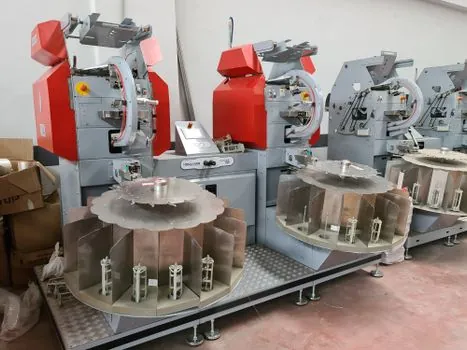
For a chemical shipping line, the specification should fix strap material and width, machine class, seal method, and the load envelope in a single document so that field failures can be traced back to a controlled change rather than to a generic "the machine is down" call [S2][S3].
The minimum controlled variables, drawn from the feed-side checklist in the published troubleshooting guide, are strap width and thickness matched to the machine spec, an approved material for the chosen seal method, correct roll core and outside diameter for the dispenser, edges that are clean rather than burred or feathered, an un-twisted feed path with clean guides and arch channels, and a dispenser brake that is not set to create excessive drag [S2]. A useful procurement test is to run a short comparison between the incumbent strap and any new supplier's coil in the same machine before signing off, since a cheaper roll that changes winding tension or edge condition is a common, documented root cause of feed-side and seal-side failures [S2]. For a related process-engineering take on matching strap, weld type, and validation discipline under regulated handling, see the pharma pallet strapping machine selection under GDP reference, which covers PET, friction weld, and repeatable cycle validation. For a different kind of heavy-load packaging spec at the port interface, the port logistics wrapping machine spec map 2026 reference lays out stretch-wrapping choices at similar weight classes.
Trackable next signals: the AAR approval number printed on the strap coil, the machine manufacturer's published list of approved strap materials and gauges for each seal head, and the maintenance log entries for feed, tension, seal, and cut subsystems as separate line items rather than a single "strapping machine" bucket. For a deeper look at the consumable side (band width, embossing, break strength, coil dimensions) the strapping band encyclopedia entry collects the material properties, and the broader strapping machine entry covers machine class, arch size, and seal method definitions used in this article.
The underlying component specifications are covered under chemical anchor.