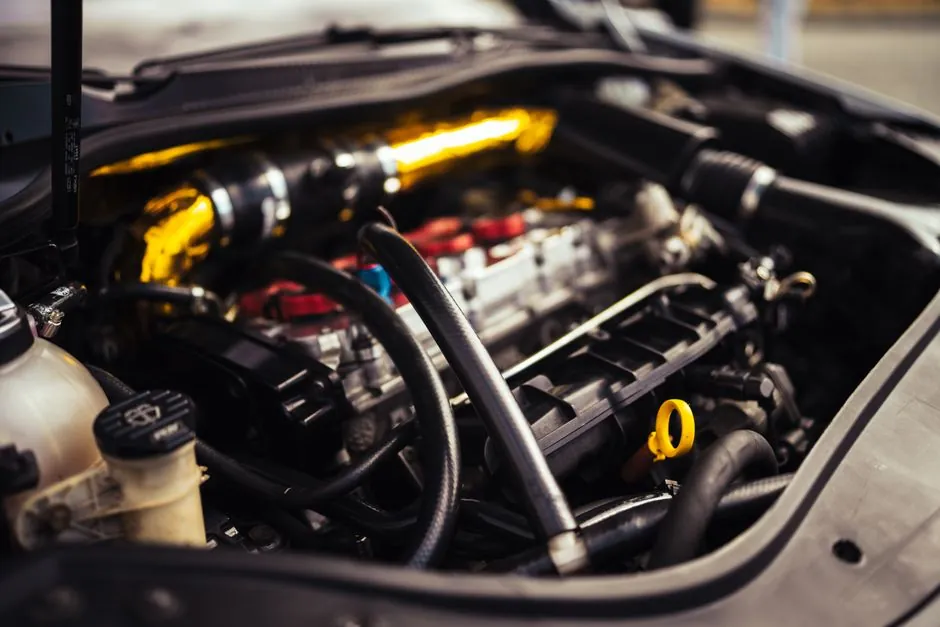
Automotive parts logistics spans weights from 5 kg gearbox components to 1500 kg engine blocks, which forces the strapping decision around load geometry and edge sensitivity before machine class. The global strapping machine market was estimated at USD 5.65 billion in 2025 and is projected to reach USD 6.00 billion in 2026 at a 6.28% CAGR through 2032, with automotive and durable-goods manufacturing listed as a core demand segment [S2].
Selection hinges on three measurable parameters: strap material (polypropylene, polyester, or steel), cycle throughput (5-15 cycles/min on semi-automatic, 20-40 on automatic, 50+ on integrated pallet cells), and seal method (heat-weld, friction-weld, or metal seal with buckle) [S1][S6]. Uniformly shaped parts, like boxed ECU modules on a slip-sheet pallet, accept standard horizontal strapping, while irregular forged knuckles or cast iron housings require corner boards and higher break-strength straps to prevent cut-through [S3][S7].
Load Profile Drives Strap Material and Tensile Class
Load weight is the first filter because strap break strength must exceed the sum of static load plus dynamic shock from forklift handling, which commonly adds 1.5-2.0 g of effective force during a 0.5 m drop event [S3]. Plastic strapping (PP and PET) is supplied in standard break-strength grades from roughly 2.5 kN (light PP, 9-12 mm) to over 14 kN (heavy PET, 19-25 mm), while steel strapping starts at about 25 kN and reaches 60+ kN for 32 mm ribbon, used where cut risk or extreme tension is unavoidable [S1][S6].
For most automotive tier-1 outbound pallets of stamped body panels, plastic-class engines, and transmission sub-assemblies in the 200-800 kg range, 12-16 mm polyester (PET) strapping at 2000-4500 N applied tension is the typical specification, with steel retained only for coil steel, battery packs requiring non-stretch containment, or export crating where humidity degrades PP creep performance [S3][S7]. Operators must match strap elongation to the load: PET at 10-14% elongation absorbs vibration during road transport better than steel at under 3%, which is why strapping band selection is a load-engineering decision, not a packaging-only one.
Machine Class: Manual, Semi-Auto, Auto, and Integrated Cells
Manual strapping machines are portable, hand-tensioned tools used for low-volume, multi-location dunnage, typically rated for under 20 straps per shift on 9-12 mm PP [S5]. Semi-automatic strapping machines are fixed work stations where the operator places the strap around the load and the machine tensions, seals, and cuts it in 1.5-3.0 seconds per cycle, producing 8-15 cycles/min and requiring the operator to feed the strap each time [S4][S5].
Operator-cycled automatic or walk-up machines add an arch or frame that the load passes through on rollers, with the operator only pressing a start button; cycle rates rise to 15-25 straps/min on single-strap heads, and 30-40 straps/min on twin-head arches used in automotive battery and seat-assembly lines [S4]. Fully automated pallet strapping systems integrate conveyors, turntables, and press platens, reaching 50+ cycles/min when the line is fed by an upstream palletizer, and they are the class used in tier-1 OEM plants shipping 500+ pallets per shift [S2][S8]. The strapping machine class decision is fundamentally a throughput-to-capex trade: a 25 cycle/min automatic arch typically costs 3-5x a comparable semi-automatic table machine, and the break-even sits near 200,000 cycles per year.
Automotive Parts Application Matrix by Part Family
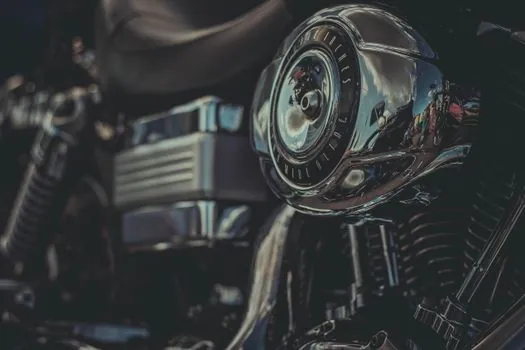
Stamped steel body panels ship on wooden or plastic pallets with 2-3 horizontal PET straps (12 mm, 3500 N), applied on a semi-automatic table or low-profile arch, because the load is uniform and edge risk is low [S3][S7]. Engine blocks, gearbox housings, and rear-axle assemblies in the 80-250 kg class use 4-strap patterns (two vertical, two horizontal) on operator-cycled automatic arches with 16 mm PET, edge protectors mandatory on every contact point, and applied tension of 4000-5000 N to prevent load shift under braking [S1][S3].
Forged crankshafts, connecting rods, and CV joints ship in stackable returnable containers (RPCs) with 1-2 light PP straps (9-12 mm) on a semi-automatic or manual station, since the container walls carry most of the restraint and the strap only retains the lid [S5][S7]. Battery modules, EV power electronics, and lithium cells in UN-certified cartons require non-metallic PET with documented traceability, a corner-edge protector stack (corrugated + foam), and a friction-weld seal to avoid spark risk near unsealed cells [S2]. For tier-1 suppliers running mixed-SKU lines, integrated logistics packaging cells with vision-based strap-placement verification are increasingly specified, because OECD data show only 9% of plastic waste is recycled globally, which pushes OEMs toward thinner, mis-strap-free PET that depends on precise placement to hold [S2].
Safety, Guarding, and Compliance for Shop-Floor Use
Strapping machines in automotive plants operate under ISO 12100 and the EU Machinery Directive 2006/42/EC, which require fixed or interlocked guards around the seal area where heat, friction, or flying strap ends create hazards [S2][S8]. Two-hand control or light-curtain start is standard on automatic arches, and tension must release automatically on power loss to prevent stored-energy release through a half-sealed joint [S8]. PET strap is cut with a heated blade (typically 250-400 °C element temperature) and the operator station must vent the resulting low-density fume; PP fumes require local exhaust ventilation at the seal head per most plant EHS standards [S1][S6].
The EU Packaging and Packaging Waste Regulation requires packaging on the EU market to be recyclable by 2030 in an economically viable way, which is already pushing automotive tier-1 suppliers to switch from mixed-material laminate straps to mono-material PET and to document strap-recycled content in supplier declarations [S2]. Plants exporting to North America additionally need to meet ASTM D3950 for polypropylene strapping and ASTM D6691 for polyester, which set the break-strength, elongation, and joint-efficiency tolerances that OEM quality teams audit [S1].
Comparison: Machine Class vs Throughput vs Part Family Fit
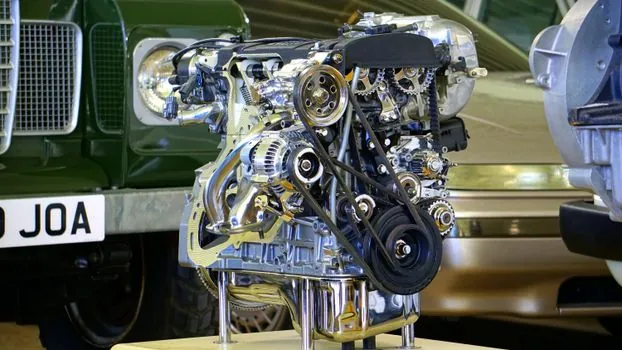
Manual stations fit returnable-container dunnage and low-volume (under 10 straps/shift) handling at the lowest capex, with strap range limited to 9-12 mm PP and PET [S5]. Semi-automatic tables suit tier-2 suppliers running 50-200 straps/shift on uniform cartons, accepting 12-16 mm PET and 9-12 mm PP, with cycle time 1.5-3.0 s and operator cost dominating total cost of ownership [S4][S5].
Operator-cycled automatic arches target 200-500 straps/shift on body-panel, seat-assembly, and battery lines, take 12-19 mm PET at 15-25 cycles/min, and require a fixed conveyor feed and 3-phase power [S4][S8]. Fully automated pallet cells run 500+ straps/shift at 30-60 cycles/min, integrate with upstream palletizers and downstream stretch wrappers, and require PLC networking (typically EtherNet/IP or PROFINET) plus vision options for 100% strap-placement verification [S2][S8]. The decision rule used by most automotive logistics engineers: specify semi-automatic until labour cost on the sealing station exceeds the capex delta to automatic, then move to automatic before considering full integration with the cutting machine cell upstream.
Common Failure Modes and Selection Pitfalls
Strap cut-through on cast iron edges is the most common in-plant failure, almost always solved by adding a 3-5 mm corrugated or recycled-PET edge protector at every strap contact, not by upgrading strap thickness [S3][S7]. Mis-seal from incorrect heat-weld time on PET shows up as joint efficiency below 65%, the ASTM D6691 minimum, and is corrected by recalibrating the heater profile to the actual ambient humidity and strap cross-section [S1][S6]. Operator-cycle drift, where applied tension falls below spec because the friction-weld head is worn, produces loose loads that shift under braking; the fix is a tension calibration check every 50,000 cycles, not operator retraining [S4].
A recurring spec error is choosing a coding machine integration without a corresponding conveyor height match, which forces a mezzanine and erases the throughput gain from the strapping cell. Finally, plants that specify steel strap on returnable plastic pallets often discover the steel seal scratches the pallet return pool; PET with a metal-free friction-weld joint is the standard workaround in closed-loop automotive container pools [S2].
Sourcing, Standards, and What to Verify at Quote
At RFQ stage, automotive buyers should demand the strap break-strength, joint efficiency, and applied-tension calibration certificate per ASTM D3950 (PP) or ASTM D6691 (PET), plus CE declaration under the Machinery Directive for any unit delivered into an EU plant [S1][S2]. For PET strap in a 12-19 mm range, expect joint efficiency of 65-85% on friction-weld seals; reject any quote that does not state this number with a test certificate [S1][S6].
Throughput claims should be cross-checked at the vendor's facility with the actual strap width, seal method, and tension class, not the brochure maximum, which usually assumes the lightest strap and shortest cycle [S4][S8]. For plants integrating with Industry 4.0 traceability, confirm OPC-UA or EtherNet/IP support before contracting, and require the core machine control architecture to be documented for the plant's maintenance team. A practical next step is to request a 3-day on-site trial of a semi-automatic or automatic unit on the heaviest and most irregular part family in the plant, with strap waste, cycle time, and operator fatigue measured against the quote, before locking the capex line item.
For a parallel spec map covering warehouse-side stretch wrapping paired with pallet strapping, see Wrapping Machine Selection for Warehouse Automation: 2026 Spec Map. For tier-1 inbound and outbound comparison, the Strapping Machine Selection for E-commerce Fulfillment guide covers mixed-SKU throughput rules, and Strapping Machine Specs for Food and Beverage Lines details washdown-rated enclosures that overlap with battery-cell rooms.