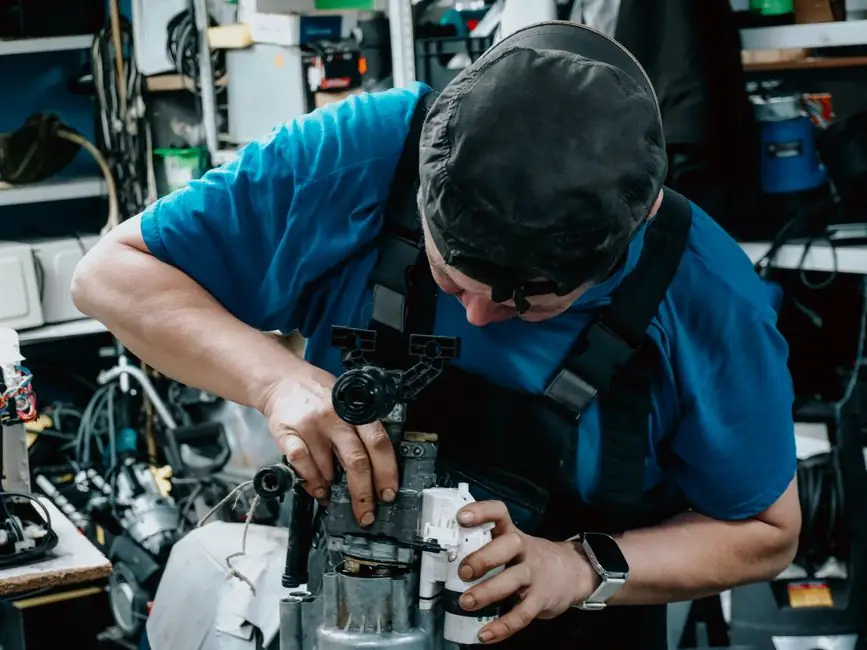
Electronics pack houses running mid-volume SKUs typically converge on semi-automatic strapping machines with 9-16 mm PP or PET strap, adjustable electronic tensioning, and 304 stainless steel frames for cleanroom-adjacent cells [S1]. The global strapping machine market was valued at $5.5 billion in 2025, with mid-volume, recyclable PP/PET systems driving much of the segment [S2].
Electronics loads differ from bricks or steel coils: finished PCB trays, consumer devices, and boxed components cannot tolerate edge crush, surface abrasion, or stray metal contamination. Strap choice, seal type, and tension control therefore matter more than raw throughput, which is why manual tools dominate only below roughly 100 packs per shift and semi-auto takes over from there [S3][S5].
Manual, Semi-Automatic, and Automatic: Where Each Fits
Manual strapping machines are particularly suitable when handling a small number of packages, and they offer a good balance in small warehouses or workshops where load sizes are not standardized and strapping is intermittent [S3]. Once a facility runs the same cycle many times per shift, productivity, operator fatigue, and seal-uniformity drop-off push the spec toward semi-automatic or automatic classes [S3].
Semi-automatic machines automate tension, sealing, and cutting while an operator positions each product and triggers the pass, with the strap feeding through an arch, tension applied to specification, and a friction or heat-weld seal completing in seconds [S1]. Fully automatic units integrate with conveyors, trigger on product detection, and run continuously without operator input, suiting high-speed lines with consistent package dimensions [S1]. For most electronics cell footprints running under 600 packs per shift, semi-automatic is the right step up from manual without the conveyor retrofit cost.
PP vs PET Strap: The Core Trade-Off
PP and PET strap suit very different load profiles: polypropylene is the lower-cost, lower-tension option for light cartons, while polyester is essential where higher retained tension, lower elongation, and better transit survival are required [S5]. A strapping band made of PET typically retains 75-80% of applied tension over weeks of stacked storage, whereas PP relaxes faster and is reserved for lighter, short-haul pallet patterns.
PP/PET material handling solutions from OEMs such as TOSA are designed to secure palletized loads and maintain their integrity during handling and transport, using both PP and PET strap to balance reliability, operational speed, and adaptability to different product types [S4]. For electronics specifically, PET's lower creep and higher break strength lets a single 12 mm or 16 mm strap replace two PP straps on heavier server racks or sub-assembled units, which directly reduces the number of metal seals and potential ESD contact points per pallet.
Spec Checklist for an Electronics Cell
Five specs decide whether a semi-automatic unit survives an electronics environment: arch size, strap width range, tension control granularity, seal type, and frame material [S1]. Landen's semi-automatic range offers multiple arch sizes to accommodate diverse package dimensions, adjustable electronic tensioning for precise strap pressure, bottom-seal and side-seal configurations, and 304 stainless steel frame options for food processing and washdown environments, with the same washdown-rated stainless configuration often re-applied to cleanroom-adjacent electronics cells [S1].
Seal type matters: heat-weld (hot-blade) seals on PET produce a narrow, low-metallic joint suited to ESD-sensitive cells, while friction-weld seals on PP leave a smaller metal crimp footprint than traditional metal buckles and avoid stray metal debris in the pack area [S1][S6]. Strap width should be matched to load weight: 9-12 mm PP for sub-25 kg carton packs, 12-16 mm PET for 25-80 kg tray or rack loads, and 16-19 mm PET for palletized server or instrument loads above 80 kg.
Throughput, Labor, and Uptime Considerations
Manual strapping is bounded by operator dexterity: each cycle needs strap positioning, tensioning, closing, and cutting, and the work rate still depends on the person using it, so quality and consistency slip as hours pass [S3]. Semi-automatic machines in electronics dispatch cells typically hit 8-12 cycles per minute on 12 mm PET with a single operator, against roughly 2-4 cycles per minute for a trained manual operator on the same strap [S1][S3].
Mobile and automated pallet strapping also feeds into dispatch workflow improvements: ErgoPack-style mobile units secure a pallet in under 40 seconds, cutting labor and reducing transit damage, which matters when high-value electronics ship under ISTA and customer-specific drop, vibration, and compression profiles [S5]. For fixed conveyor cells, the dual-head semi-automatic option delivers higher cycle output without stepping up to full automation, and pairs with low-maintenance belt-drive architectures that can cut routine maintenance by up to 75% on certain PP/PET platforms [S1][S4].
Failure Modes and Constraints to Engineer Out
Three failure modes hit electronics strapping cells more than generic warehouses: over-tension crushing PCB tray edges, strap slip on smooth-corrugate or anti-stat film, and metal seal debris near exposed contacts. Manual tools that leave tension to operator feel will produce both under- and over-tensioned packs in the same shift, and over-tension can damage boxes, edges, or more delicate materials such as anti-static bags and foam cushions [S3].
Consistency of result is the second limit: two operators can achieve different results with the same manual tool, and even the same operator can vary between the start and end of a shift [S3]. Adjustable electronic tensioning on a semi-automatic unit removes that variance, and centralized lubrication points with direct-driven lifting units on modern PP/PET machines are designed to minimize maintenance and reduce machine downtime in dispatch-critical cells [S1][S4]. For cells with adjacent coding machine and core machine operations, frame material and seal location also need to keep stray metal and PET dust away from any open PCB trays moving through the line.
When Semi-Automatic Is the Wrong Choice
Semi-automatic strapping machines fit operations where package sizes vary, volumes run at mid-range, and operators control each cycle directly; they are not the right call for high-speed facilities with consistent package dimensions and no tolerance for line interruptions, where fully automatic in-line systems dominate [S1]. They are also a poor match for very low-volume cells under roughly 20 packs per shift, where a manual tool still gives the best balance of investment, ease of use, and operational flexibility [S3].
For comparison across adjacent strapping decisions, the automotive parts logistics spec map lays out torque, seal, and arch choices for heavier metal-content loads, while the chemical-shipping spec map covers PET, steel, and matched sealing for hazmat pallets; both sit on either side of the electronics profile in the same selection family. The key dividing line is load weight and seal tolerance: under 80 kg with heat-weld PET or PP and a stainless frame, semi-automatic electronics cells run cleanly; above 80 kg, on steel strap, or under continuous conveyor trigger, the spec moves up or sideways into those adjacent machine classes.
Watch for two trackable signals in the next quarter: OEM rollouts of ESD-certified strap path kits (ceramic guides, isolated tension rollers) on semi-automatic PP/PET units, and updates to ISTA 3E drop-and-vibration profiles that tighten tension-retention requirements for finished electronics pallets above 50 kg. Cross-check the strapping machine selection for automotive parts logistics spec map before committing on heavy server-rack pallets, and consult the strapping machine selection for chemical shipping reference if any cell handles lithium-cell or hazmat-adjacent electronics loads.