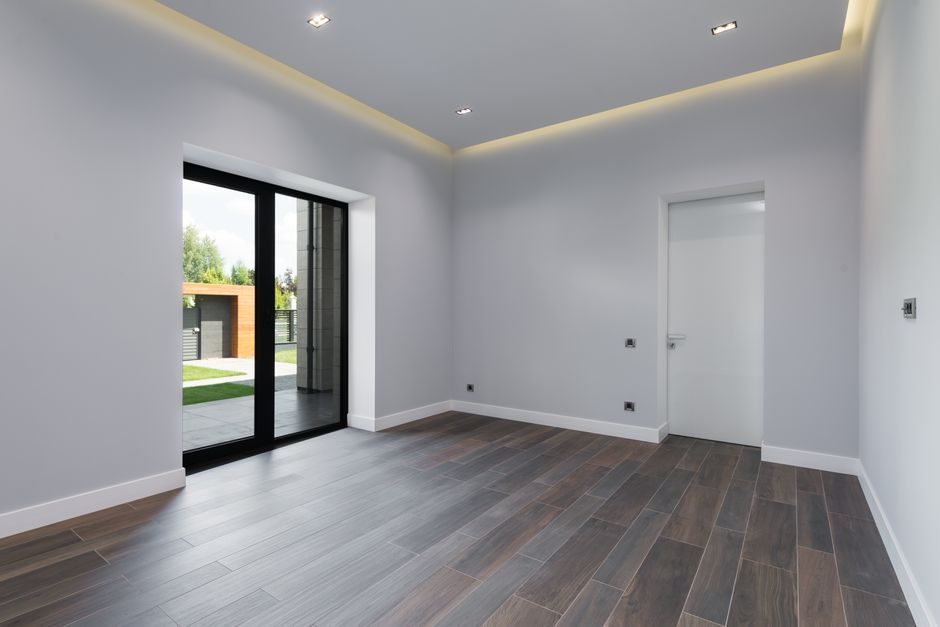
A whole-house system-window-and-door package in the U.S. replacement market in 2026 typically totals USD 12,000-USD 24,000 for a 10-opening vinyl retrofit and USD 25,000-USD 60,000 for a full-frame fibre-glass or aluminium-clad tear-out, with per-opening installed costs clustering in three bands: USD 300-USD 700/economy vinyl, USD 600-USD 1,800 mid-range, and USD 1,200-USD 3,500 premium/composite [S3][S4].
That spread is driven less by brand markup than by four spec levers: frame material (vinyl/uPVC vs aluminium vs wood-clad vs fibre-glass), glazing package (single, double, triple, low-E + argon, laminated impact), opening type (fixed, single-hung, double-hung, casement, sliding, tilt-turn, multi-slide), and labour model (retrofit insert vs full-frame tear-out vs new-construction nail-fin) [S3][S5]. For commercial storefront and curtain-wall applications, the system window door framing category sits at a different cost tier entirely, often USD 40-USD 120 per square foot of glazed wall installed, governed by mullion profile, thermal-break design and anchor spacing rather than per-opening count.
2026 per-opening price bands by material and opening type
Sliding patio doors in 2026 sit at USD 1,200-USD 3,500 installed for vinyl two-panel, USD 2,500-USD 5,500 for aluminium-clad three-panel, and USD 4,000-USD 10,000 for fibre-glass multi-slide, with custom retractable screen add-ons such as those sold through bug-screen specialists adding USD 200-USD 600 per door leaf [S2][S3]. For a spec-driven comparison of the aluminum window door framing family against vinyl and wood-clad, the cost differential at the per-opening level narrows once thermal-break and double-pane low-E glazing are included, but aluminium's curtain-wall configurations remain in a separate commercial band.
Entry doors follow a similar three-tier pattern: a steel insulated entry door with standard hardware lands at USD 500-USD 1,200 installed, a fibreglass composite at USD 1,200-USD 3,000, and a wood/iron decorative system at USD 3,000-USD 8,000+, before any impact-rating upgrade. A 2026 in-depth breakdown of fire-rated door cost levers shows how rating, material and hardware stack on door openings, with 90-minute fire-rated assemblies running 1.5-3x the price of a non-rated equivalent.
Frame-material cost drivers: vinyl, aluminium, wood-clad, fibre-glass
Vinyl/uPVC is the cost floor in 2026: extrusion dies are amortised, lead times run 2-4 weeks for stock sizes, and the system window door category dominated by multi-chamber uPVC profiles carries the lowest per-opening installed cost across all opening types [S3]. Aluminium thermal-break frames add roughly USD 150-USD 400 per opening over equivalent vinyl because of the polyurethane or polyamide thermal-break, mechanically-stiffened corner cleats, and the larger extrusion cross-sections required to hit U-factors below 0.30. Wood-clad (aluminium or vinyl exterior, wood interior) sits 1.5-2x vinyl pricing and is the most weather-sensitive category in coastal markets, where clad tear-out rates climb if the cladding was not factory-bonded.
Fibre-glass (e.g. pultruded composite frames from Marvin Integrity, Pella Impervia, Andersen Fibrex-class products) commands the highest per-opening installed cost, USD 900-USD 1,800 double-hung, but offers the lowest thermal-expansion differential against the glazing, which is why it is preferred for large multi-slide and lift-and-slide doors in 2026 commercial-residential builds [S3]. Across these material tiers, the same U-factor (e.g. U-0.30) can be hit by any frame when paired with the right glazing package, so frame material is fundamentally a cost-vs-finish-vs-climate decision, not a performance one. Where the aluminum window door family wins is in non-corrosive anodised or PVDF fluorocarbon finishes, which push exterior recoat cycles from 5-7 years (painted vinyl) to 20+ years.
Glazing and spec levers: low-E, argon, triple-pane, impact

A double-pane low-E + argon package adds roughly USD 40-USD 80 per opening over clear double-pane, a triple-pane low-E + argon adds USD 100-USD 200, and a laminated impact glazing package adds USD 200-USD 600 per opening depending on missile-level rating (e.g. Miami-Dade NOA vs Florida Building Code non-HVHZ) [S3]. Triple-pane is required by code in IECC Climate Zones 6-8 for new construction above a certain window-to-wall ratio, which is the main reason the per-opening cost climbs in northern states regardless of material choice.
Spec layers that buyers routinely miss in 2026 quotes: warm-edge spacer (butyl/acrylic with stainless steel or composite structural foam) vs standard aluminium spacer, which alone changes edge-of-glass condensation behaviour; frame-to-glass thermal break integrity in aluminium systems; and NFRC-rated whole-unit U-factor and SHGC labels, not centre-of-glass values, which are the only numbers that should appear on a comparable quote [S3][S4].
Selection criteria: who system window-and-door replacement is for, and who it is not
Whole-house system window-and-door replacement in 2026 pays back on a 10-25 year horizon for homeowners with single-pane or failed-seal double-pane units, in Climate Zones 4-8, where heating and cooling loads dominate. It is not a short-cycle value play: payback under 10 years is rare unless the home is being sold (where new windows return roughly 70-80% of cost at resale) or the existing units are visibly failing. For a single opening or a single broken seal, a sash-only or insert replacement is the right spec, not a full system package [S3][S5].
For commercial builds (storefront, curtain wall, ribbon window), the same cost-per-opening logic does not apply, and the spec is governed by mullion profile, anchor-to-structure pattern, and water-management tested rating (e.g. AWAA 101 / AAMA 2603-2605 finish class). A 2026 aluminum window door spec-first guide is the better reference there, and the cost model is per-square-foot of glazed wall, not per-opening. The retrofit-vs-full-frame decision is the single biggest cost lever a homeowner controls: a 10-opening retrofit in 2026 runs USD 6,000-USD 12,000 installed, the same 10 openings in full-frame tear-out run USD 12,000-USD 30,000 [S3][S4].
Comparison: material tiers on cost, climate fit, lead time and finish life

Vinyl retrofit leads on cost (USD 300-USD 700/opening installed) and lead time (2-4 weeks stock), trails on finish life (5-10 years painted exterior) and structural stiffness (large units need internal reinforcement). Aluminium thermal-break leads on finish life (20+ years anodised/PVDF) and large-opening structural performance, trails on thermal performance per dollar unless thermal-break upgraded. Wood-clad leads on interior finish and traditional aesthetics, trails on exterior maintenance cycles in humid/coastal climates. Fibre-glass leads on thermal-expansion match to glass and dimensional stability, trails on raw cost at USD 900-USD 1,800 per opening, leads on impact-resistance per pound [S3].
Decision rule for 2026: in Climate Zones 1-3 (hot/humid), prioritise SHGC 0.20-0.30 and vinyl or aluminium thermal-break for cost; in Climate Zones 4-5 (mixed), vinyl retrofit dominates on payback; in Climate Zones 6-8 (cold), triple-pane and fibre-glass or wood-clad with warm-edge spacer are the right spec, and the per-opening cost climbs USD 200-USD 500 over a single-pane baseline. Where impact rating is required (HVHZ Florida, Texas coastal, Carolina wind-borne-debris regions), laminated glazing and reinforced frame anchoring add USD 200-USD 600 per opening, and aluminium or fibre-glass dominate the spec because vinyl frames do not hold fasteners as well under repeated missile-load cycling.
Sourcing reality: contractor channels vs big-box vs direct manufacturer
In 2026, U.S. residential replacement windows and doors flow through three main channels: regional contractor-installed packages (Andersen, Pella, Marvin, JELD-WEN, Milgard via dealer networks, typically USD 600-USD 1,800/opening installed with full labour and warranty) [S5][S6], big-box DIY (Home Depot, Lowe's stock vinyl and stock fibreglass at USD 200-USD 500/opening uninstalled, with separate contractor install at USD 150-USD 400 per opening), and direct-from-factory / regional fabricator (Alside, MI Windows, PGT, custom sizes lead time 4-8 weeks).
For 2026 sourcing, the key spec-side filter is NFRC label on the whole unit, AAMA/WDMA/CSA 101/I.S.2/A440 grade (typically grade R-PG30 to R-PG50 for residential), and a written installation spec that names the flashing tape, sill pan, and fastener pattern (e.g. AWDI or FMA/AAMA 100 appendix-validated method), not just a quote line item labelled 'install'. A 2026 in-depth spec-first guide to the aluminum window door family covers the commercial-storefront decision tree; a parallel look at fire-rated door price & cost guide covers the rating-driven door spec, which intersects the system-window-and-door package on fire-rated egress door openings where code requires 60-90 minute assemblies. Permitted savings from promo cycles such as the 2026 'save up to 30%, don't pay until 2027' financing offers on contractor-channel packages [S4] typically sit in the 10-20% off list range, not the headline 30%, and are usually tied to a 2-3 opening minimum.
Limitations and failure modes to spec against
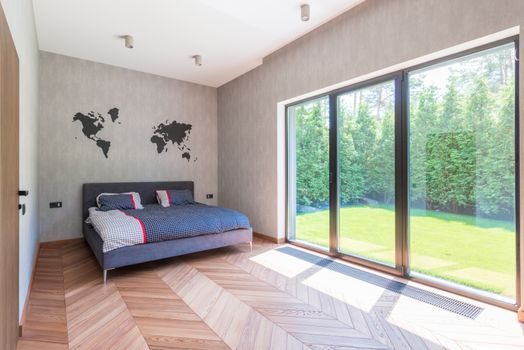
The three most common 2026 failure modes on residential system window-and-door installs: (1) seal failure on argon-filled double-pane units within 5-8 years when the butyl primary seal was undersized and the secondary silicone hot-melt was poorly applied, visible as interior glass fogging; (2) sill pan/flashing omission on full-frame tear-outs, which routes wind-driven rain into the rough opening and shows up as interior drywall staining 12-24 months post-install; (3) thermal bridging at aluminium frames without a true thermal break, which produces interior condensation at the frame-to-glass junction in heating seasons and is the dominant comfort complaint on contractor-grade aluminium installs [S3].
Spec-side mitigations: demand written NFRC U-factor/SHGC labels, a 10-year or 20-year seal-failure warranty (the industry floor in 2026 is 10 years on insulated glass, lifetime on vinyl frames from major OEM channels), an AWDI- or FMA-validated install spec with named flashing tape and sill pan, and a written labour warranty of at least 5 years covering seal failure, frame-to-opening air infiltration, and finish peeling. Where these are missing from the 2026 quote, the headline price is not the installed cost: rework after a 1-2% per-year failure rate on a 10-opening package translates to USD 1,500-USD 5,000 in repair exposure over the warranty life, which negates the lowest-bid savings [S3][S4].
Trackable signals for the rest of 2026: revised NFRC labelling cycles on triple-pane products as Climate Zone 6-8 code adoption broadens, and continued cost convergence between vinyl retrofit and aluminium thermal-break at the per-opening level as aluminium extrusion pricing softens and vinyl compound costs stay flat. Watch for Q3/Q4 2026 manufacturer price-list updates from the major U.S. OEM channels for the first concrete read on 2027 installed-cost trajectory.
For component-level specifications, see linear guide.