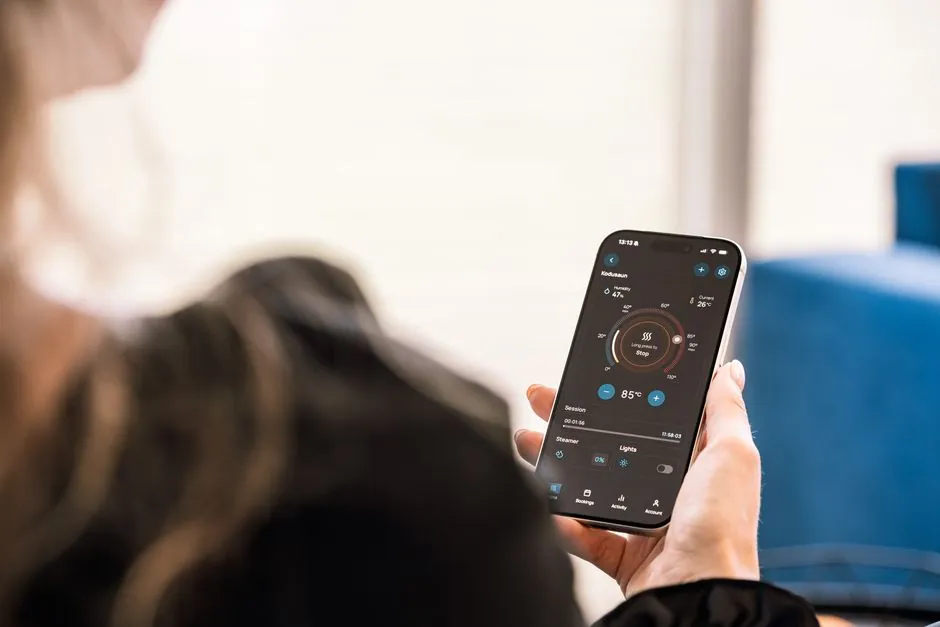
Total cost of ownership is the sum of all direct and indirect costs incurred over an asset's complete lifecycle, from initial acquisition through disposal [S4].
The analysis applies to industrial temperature-control equipment, panel instruments, process loops and plant utilities, where acquisition price is only one part of ownership economics [S1][S4][S6].
What Temperature Controller TCO Measures
A temperature-controller TCO analysis can include acquisition, installation, training, operating, maintenance, downtime and decommissioning costs over the asset's lifecycle [S4].
For industrial equipment, acquisition can represent only 10% of TCO, making purchase price a poor proxy for lifecycle cost [S1].
This scope is broader than the visible invoice. A low-cost controller that consumes more power, requires frequent sensor replacement or interrupts production can carry a higher TCO than a higher-priced unit [S4]. Temperature controller selection therefore belongs in lifecycle budgeting, not only in instrument purchasing.
Cost Categories and Decision Weighting
Reference ranges vary with asset type and duty cycle, so they should not be transferred directly from HVAC to process temperature control.
Purchase Price Versus Lifecycle Cost
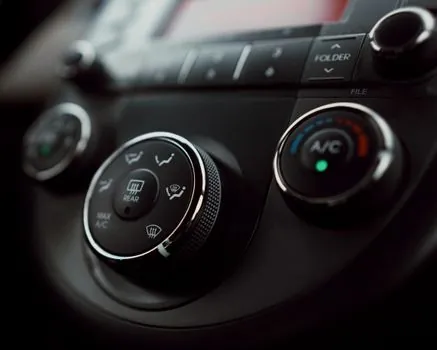
Temperature-controller decisions can compare purchase price with relevant operating consequences such as energy consumption, repair frequency and production downtime [S4].
A practical comparison can be structured as follows:
Basic panel controller: lowest acquisition and commissioning burden, suitable for low-risk loops where operator intervention is limited. Programmable controller: higher acquisition and training costs, but more flexible setpoint, alarm and control functions. PID controller: adds hardware and tuning work, potentially reducing corrective action and process variation. Connected temperature controller or monitor: adds communications, configuration and cybersecurity requirements, but can improve remote diagnostics when the plant can use the data.
The lower purchase price wins only when its energy, maintenance, downtime and disposal costs are no greater after commissioning. A digital panel meter can support a comparison when it provides the required process display, but a meter is not automatically a full-featured temperature controller. Likewise, a temperature monitor is appropriate for independent measurement and alarming, while a temperature controller provides closed-loop control and setpoint management.
Energy, Maintenance and Downtime Drivers
Operating cost is driven by control-loop behavior, including the energy required by heaters, coolers, pumps, fans and associated equipment, not merely the controller’s own power draw [S1][S4]. A controller with a poor tuning strategy can leave actuators operating longer than necessary, so energy calculations must use measured heater-on or cooler-on time, actuator power and production demand over a defined period.
Maintenance cost includes preventive tasks, corrective repairs, replacement sensors, wiring checks, spare parts and contractor dispatch [S1][S4]. For temperature instrumentation, serviceability depends on the installation method, sensor type and process conditions, although the research does not support assigning a specific sensor technology to a named controller supplier.
Application Fit and Failure Modes
Temperature controller TCO is suited to capital purchases, retrofit comparisons and maintenance strategy decisions, including repair versus replacement and vendor proposal evaluation [S4]. It is also useful for budget planning because a facilities or technology framework can track hardware, software, end-user expenses and labor costs over the asset life cycle [S3].
The method is less suitable for a commodity purchase with no material operating difference, a short project with negligible operating time, or an analysis that omits energy and downtime without evidence that both are immaterial. It also fails when the comparison period differs between suppliers, because unequal service lives and discount treatment make total costs incomparable [S4].
Common failure modes include selecting a controller by feature count rather than process duty, excluding installation and commissioning, treating all labor as equal, using one energy price across different operating schedules, and excluding failed startups or lost batches. A PID controller can improve control where continuous tuning and feedback are required, but the TCO model must still include commissioning time, sensor matching and performance testing.
Building an Auditable Model
For each candidate controller, record purchase price, freight, installation labor, panel modifications, commissioning labor, training, annual kWh, actuator energy, preventive maintenance hours, repair frequency, spare parts, downtime hours, disposal cost and residual value [S1][S4].
The model should separate controllable variables from uncertain ones. Controller price, labor rates, tariff, duty cycle and expected service interval can be entered directly. Failure probability, sensor life and production loss require operating records or vendor-supported engineering data. If a digital panel meter TCO: 5-year cost decision framework is used for a neighboring instrument decision, its cost categories and time horizon should remain consistent with this model.
Three trackable signals provide the next procurement checkpoint: measured energy per production unit, corrective work orders per controller-year, and downtime events attributed to temperature-control failures. These outputs can replace supplier quotations with site-specific evidence and expose whether a lower bid is actually producing a lower lifecycle cost.