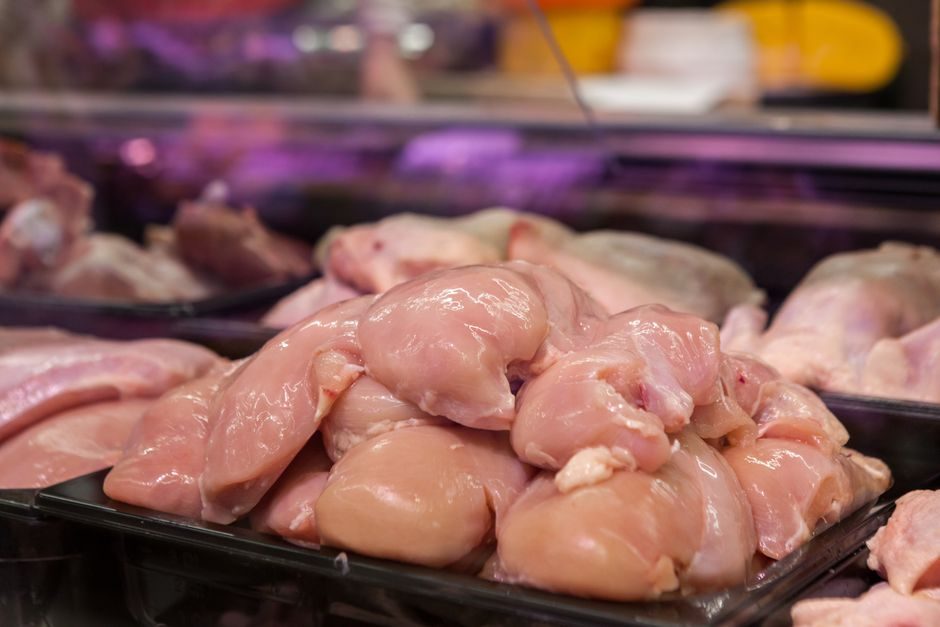
Buyers in 2026 choose between tabletop bell units, double-chamber floor models, belt chamber sealers and vertical form-fill, with 29 vacuum bagging SKUs and 16 active manufacturers listed on DirectIndustry as of 2026-06-03 [S2].
For food processors, pharma packers and hardware exporters, the dominant architecture on the 2026 market is the stainless-steel tabletop chamber machine, with examples such as the ISG Pack Eco Vac 400D TB in 400 mm class and the Komet TOPVAC with Plexiglas lid for liquid packs [S1][S4]. For broader pack-line context, the 2026 shrink wrapper architecture guide covers the upstream heat-seal choice that often pairs with these units.
Vacuum Packaging Machine Definition and Operating Principle
A vacuum packaging machine evacuates air from a sealed chamber or bag before heat-sealing the closure, lowering oxygen partial pressure to inhibit aerobic spoilage organisms and extend shelf life on rice, meat, fish, vegetables, pickles and frozen foods [S1][S8]. Industrial catalogue listings in 2026 still frame the technology around two main variants: chamber (bell or lid) machines and external-bag / nozzle sealers, with chamber designs dominating food and pharma lines [S2][S4].
On a chamber machine, the full product plus bag sits inside a sealed cavity; the pump pulls absolute pressure down to the millibar range, the seal bar welds the inner bag face, then the chamber vents. On an external nozzle sealer, only the open bag mouth is placed over a suction port and a separate heat-seal jaw closes it. Chamber machines typically achieve lower residual pressure, while nozzle sealers are cheaper and faster for low-viscosity retail packs. Chinese makers such as Wenzhou Dingli Technology Equipment continue to offer both forms alongside allied grinding and packing lines [S7].
Main Machine Types and 2026 Selection Criteria
Four architectures dominate 2026 spec sheets: tabletop bell (single-chamber), double-chamber, belt chamber, and vertical form-fill, with 16 manufacturers active on DirectIndustry under the vacuum bagging category as of 2026-06-03 [S2]. Practical selection pivots on product size, throughput shift, hygiene duty and whether the pack is solid, particulate, liquid or powdered.
Tabletop bell units such as the Eco Vac 400D TB and the Komet TOPVAC target SME food and light-pharma users, with stainless-steel frames, double seal bars for faster cycles, and a clear lid for liquid pack visibility [S1][S4]. Double-chamber machines add a second cavity that lets one chamber evacuate while the operator loads the other, raising shift throughput by 30-50% over single-chamber at comparable footprint, and are standard in meat, fish and cheese plants. Belt chamber sealers run continuous film through a long vacuum tunnel, suiting whole muscle cuts and large pouches. Vertical form-fill vacuum packers, such as the ILAY VACUUM vertical line, suit powders, granules and small hardware components that need a formed bag rather than a pre-made pouch [S9].
Selection criteria can be ranked: chamber volume (effective seal length 300-700 mm), seal-bar count (single, double, or side-seal), residual pressure capability (typically 1-10 mbar absolute on chamber machines), pump capacity in m³/h, body material (304 vs 316 stainless for acidic or salty foods), and lid/door material (stainless dome vs acrylic viewing lid for liquid packs) [S1][S4]. For 2026 sourcing of pumps and gauges on these units, see the vacuum gauge specification reference and the vacuum generator explainer for the suction source behind each machine class.
Who Vacuum Packaging Machines Are For, and Where They Fail
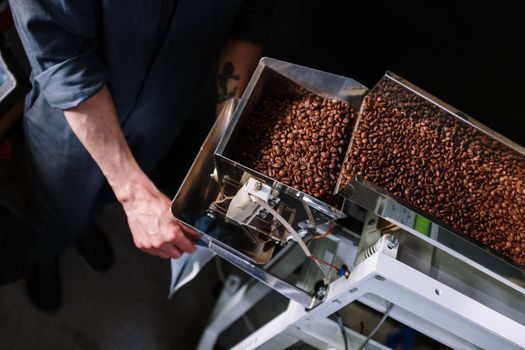
Vacuum packers suit operators handling oxygen-sensitive food, sterile pharma hardware, electronic components and machined parts that need moisture and particulate exclusion, with catalogue duty-cases covering meat, fish, vegetables, pickles, frozen meat, pharmaceutical products and hardware [S1]. The same principle extends to rice shelf-life extension, where vacuuming is documented as a common fresh-keeping technique in 2026 packaging references [S8].
The technology is the wrong fit for several cases. Sharp-edged hardware can puncture standard film, demanding textured or reinforced pouches. Liquids with high water content foam under sudden evacuation, so machines need a sloped seal bar, gas-flush assist or a dedicated liquid chamber such as the Komet TOPVAC with its Plexiglas lid geometry [S4]. Live or respiring produce continues to respire and degrades anaerobically, so true MAP (modified atmosphere packaging) with nitrogen or CO₂ flush is preferred over pure vacuum. Porous products such as bread, cake or whole spices trap residual air and cannot reach the millibar residual that solid foods can, so a nozzle or skin packer often outperforms a chamber machine. Vacuum packers also underperform on heavy industrial components above 5 kg where thermoform-tray plus lidding film systems are more economical.
Comparison of 2026 Vacuum Packaging Machine Architectures
On 2026 OEM line-ups, chamber bell units lead the entry tier, double-chamber and belt machines dominate mid- and high-throughput food lines, and vertical units serve powders and small parts. [S1]
- Tabletop bell (Eco Vac 400D TB, Komet TOPVAC): 1 operator, 1-4 cycles/min, 400 mm class seal length, 304 stainless body, sub-USD 3,000 typical entry price, low-to-medium throughput [S1][S4].<br/>- Double-chamber floor: 1 operator, 4-8 cycles/min, two seal bars per side, 304/316 stainless options, medium cost, mid-to-high shift throughput.<br/>- Belt chamber sealer: 1-2 operators, 1-6 m/min conveyor, continuous film, 304 stainless, higher capex but lowest labour cost per kg.<br/>- Vertical vacuum form-fill (ILAY class): 1 operator, 10-30 bags/min on small granules, formed-film format, suits powders, nuts and small hardware [S9].
Compared against four decision criteria — flexibility (product mix), throughput, capex, and hygiene (ease of clean-in-place) — the tabletop bell scores high on capex and cleanability but low on throughput, while belt and vertical form-fill invert that pattern. The EN 60204-1 electrical safety baseline and the EU food-contact framework for stainless (typically 1.4301 / AISI 304 in body, 1.4401 / AISI 316 for saline or acidic duty) are the consistent baseline specifications that buyers should require on 2026 spec sheets. For a deeper dive on how a vacuum sealer interacts with a downstream fill-and-cap station, the shrink wrap versus filling machine cut for 2026 lines maps the surrounding line architecture.
Real 2026 Use Cases and Procurement Signals

Three procurement patterns are visible across 2026 listings. First, the entry-level food tabletop, with units such as the Eco Vac 400D TB targeting SME butchers, delis and small fish processors at the 400 mm seal-length class [S1]. Second, the pharma-and-hardware tier, where 304 stainless and 316 stainless wetted parts, plus acrylic viewing lids, are specified for injectable hardware and small instrument packs [S1][S4]. Third, the continuous-line tier, where vertical vacuum form-fill and belt chamber sealers are quoted into nut, spice and snack factories, with Chinese makers like Wenzhou Dingli offering vacuum packing machines alongside spice grinders and powder mills to the same buyers [S7].
Procurement signals worth tracking on 2026 sourcing platforms: HKTDC sourcing lists bulk vacuum packaging machine enquiries (Daewon GSI and similar Korean vendors active 2026-03-30) [S6]; Alibaba's "vakuum machine" cluster ranks Food & Industry as the largest sub-category, indicating SME food remains the volume buyer [S10]; and Turkish maker ILAY VACUUM publishes both vertical and horizontal vacuum packaging machine lines, signalling that the two-axis product split is now standard on mid-tier 2026 OEM catalogues [S9]. B2B platforms in 2026 list 16+ active manufacturers under vacuum bagging and 29 SKUs, giving buyers a competitive RFQ field of 4-6 shortlist candidates per region [S2].
Limitations, Maintenance and Sourcing Constraints in 2026
Common failure modes on chamber vacuum packers in 2026 are seal-bar element burnout (typically after 1,500-3,000 hours on 5 mm flat wire), lid gasket fatigue on acrylic dome units such as the Komet TOPVAC, and pump oil contamination on oil-sealed rotary vane pumps used in sub-USD 5,000 machines [S4]. Spec sheets should therefore demand a documented seal-bar replacement kit, lid-gasket spare part, and pump service interval before RFQ award.
Sourcing constraints in mid-2026 are dominated by 304 vs 316 stainless steel grade choice, regional certification (CE, UL, CSA, EAC), pump brand and country of origin, and warranty terms — Promarks / Foodmax distributor feedback on 2026-06-27 highlights post-purchase responsiveness as a real differentiator between 2026 commercial-equipment vendors [S5]. Lead times from Chinese makers Wenzhou Dingli typically run 15-30 days for catalogue SKUs and 30-60 days for OEM-customised chamber volumes, with MOQ commonly 1 set for catalogue machines and 3-5 sets for OEM builds [S7]. Buyers who fix pump brand (e.g. Busch, Agilent, Value), seal-bar geometry and stainless grade up front usually compress RFQ round-trips from 6-8 weeks to 3-4 weeks in 2026.
For component-level specifications, see vacuum packaging machine.