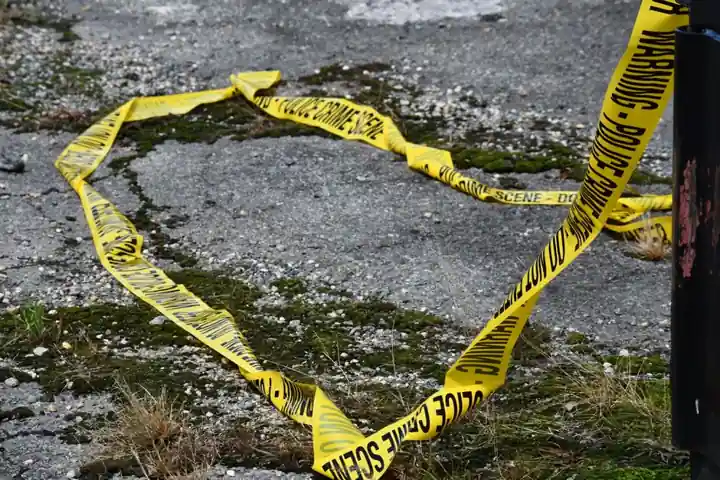
Underground warning tape is selected primarily by three specs: width equal to or greater than the utility it covers, a detection depth rating matched to burial depth, and APWA color code alignment with the buried line type [S2][S3].
Detectable foil-core tape at 6 inch width reaches a 24–36 inch detection range, while 2 inch detectable tape collapses to a 10–14 inch window, eliminating locating benefit below 30 inches [S3]. The 2024 CGA DIRT Report recorded 196,977 utility damages, with water and sewer work alone at 24 percent of incidents, making the width-plus-depth spec pair a real safety lever [S3].
Material Construction: LDPE Film vs. Foil-Core Laminate
Non-detectable warning tape is typically 100 percent low-density polyethylene (LDPE) film at a nominal 4 mil overall thickness, acid and alkali resistant, lead-free, and rated for extended underground exposure with no metallic content [S3].
Detectable tape uses a 4.5 mil solid aluminum foil core fully encased in printed polyethylene, visible from both sides, creating a reflective surface that locators can pick up without excavation [S3][S4]. The foil layer is bonded or laminated between PE films so the printed legend remains readable and the metallic signature stays coherent over years of soil contact [S4].
Specialty constructions such as Signaltape substitute a para-aramid fiber core rated at 3,000 lbf tensile strength; in that build, 4 inch, 6 inch, and 12 inch widths all share the same tensile rating because strength comes from the core, not the plastic film [S2].
Width Selection Rule: Coverage Beats Strength
Best practice is that warning tape width should be greater than or equal to the width of the utility it is buried over, because a narrower tape creates a real probability that an excavator bucket or hand shovel misses it entirely [S2].
For utilities wider than 12 inches, multiple rolls are installed side by side with overlap rather than seeking a single oversized roll, keeping full coverage along the run [S2]. The 3M Electronic Marking System (EMS) Warning Tape 7900-XT series is one of the products designed for this warning-only role above the utility with vertical separation [S2].
For comparison, a non-detectable LDPE film tape gains tensile strength with width, while a para-aramid-core tape holds constant strength across widths, so the width decision is a coverage decision, not a strength decision, on the latter [S2].
Depth Window: The 12-Inch Offset Rule and Detector Range

Standard practice places non-detectable tape 12 inches above the utility it marks, or within 12 inches of final grade, and detectable tape inside the locator's rated detection window for its width [S3]. Burial depth spans 10–36 inches overall depending on utility type and trench standard.
The metal detector range scales with tape width: 2 inch detectable tape covers 10–14 inches, 6 inch tape extends to 24–36 inches, so specifying a 2 inch roll for a 30 inch burial is a self-defeating spec, the foil sits below the detector's reach and locating benefit is lost [S3].
Detectable tape must therefore be specified as a width-plus-depth pair, not as a width alone; for a typical 24 inch direct-burial electrical run, 6 inch detectable tape is the minimum that keeps the foil inside the locating window [S3].
Detectable vs. Non-Detectable: Decision Matrix
Detectable tape is the right call when the utility itself is non-metallic (PVC conduit, HDPE gas, HDPE water, fiber) and the locating strategy needs a continuous signal the locator can trace before excavation [S4][S5].
Non-detectable tape is sufficient when a metallic conductor is already in the run, the utility is small, and depth stays inside the 12 inch visual-warning window, because the conductor itself does the locating work [S5]. One industry comment observes that placing detectable tape directly on top of the conduit serves no purpose, since excavators have been seen pulling out conduit with the tape hanging off the side of the ditch [S5].
NEC 300.5(D)(3) requires warning ribbon for direct-buried service conductors and cables, but does not require detectable tape, so the additional foil cost is a project decision, not a code mandate [S5]. Tracer wire is typically required with gas, water, and sewer lines, and is described as somewhat redundant when metallic electrical conductors are already in the trench [S5].
APWA Color Code: One Legend Per Utility

APWA Uniform Color Code aligns the printed legend and base color to the utility type below, red for electric, yellow for gas and oil, orange for communication, blue for potable water, green for sewer, purple for reclaimed water, and the legend is repeated along the roll [S4][S8]. The marker tape spec must match the buried utility; mismatched color is a documented root cause of "wrong utility" strikes during hand-dig phases [S4].
Standard legends include "Caution Buried Electric Line Below" printed in bold repeating type, with the foil layer protected by lamination so ink does not rub off during pull-through or backfill [S4]. For visible warning work, the warning tape spec should lock color, legend wording, and mil thickness in the procurement document, not just "APWA color".
Installation Failure Modes and Field Reality
Two installation failure modes dominate field reports. First, detectable tape placed directly on top of the conduit has been observed being pulled up beside an intact conduit strike, so the visual warning arrives after the damage, not before [S5]. Second, 2 inch detectable tape at 30 inch burial is outside the locator's window, so pre-excavation sweeps return no signal and the tape provides no benefit at all [S3].
Backfill practices also matter: detectable tape is sold with the foil core visible from both sides specifically so a locator can pick the signal up regardless of which face is up after placement, but only if the burial depth is inside the rated range for that width [S3][S4].
Who Should Skip Detectable Tape, and Who Should Not

Skip detectable foil-core tape when the run already includes a metallic conductor the locator can trace, when depth is shallow enough for visual warning to work, or when budget pressure rules out the 4.5 mil foil upgrade and the warning sign layer above grade already covers the duty. [S4]
Specify detectable tape when the line is non-metallic PVC or HDPE, when the utility runs under pavement where pre-excavation sweeps must work fast, or when the project crosses other buried infrastructure and the cost of an exploratory cut outweighs the foil upgrade, scenarios where a flow meter or pressure transmitter spec would not compensate for a strike on a non-metallic process line.
Shortlist Logic for a Spec-Writer
For most underground utility runs the shortlist is a three-line decision tree: confirm APWA color and legend match the utility, set width greater than or equal to the utility width with overlap for anything over 12 inches, then choose detectable vs. non-detectable by whether a metallic conductor is already in the trench and whether burial depth is inside the locator's rated window for the chosen width [S2][S3][S4].
A common shortlist for a 24 inch direct-buried electrical run under pavement: 6 inch detectable APWA-red tape with 4.5 mil aluminum core, mil thickness 4.5, detection range 24–36 inches, placed 12 inches above the conduit, with NEC 300.5(D)(3) warning-ribbon wording on the legend [S3][S5]. Compare against a non-detectable LDPE option only when a metallic conductor is already in the trench and visual warning is acceptable; for height-work and surface marking, the spec shifts toward a different warning tape format tied to overhead rules, not burial rules. For related site-safety spec work, see the Safety Fence Buying Guide 2026: Steel, Standards, and Spec Levers for the perimeter layer, and the Warning Tape for Work at Height: Spec Map and Selection Rules guide for the above-grade variant of the same product family.