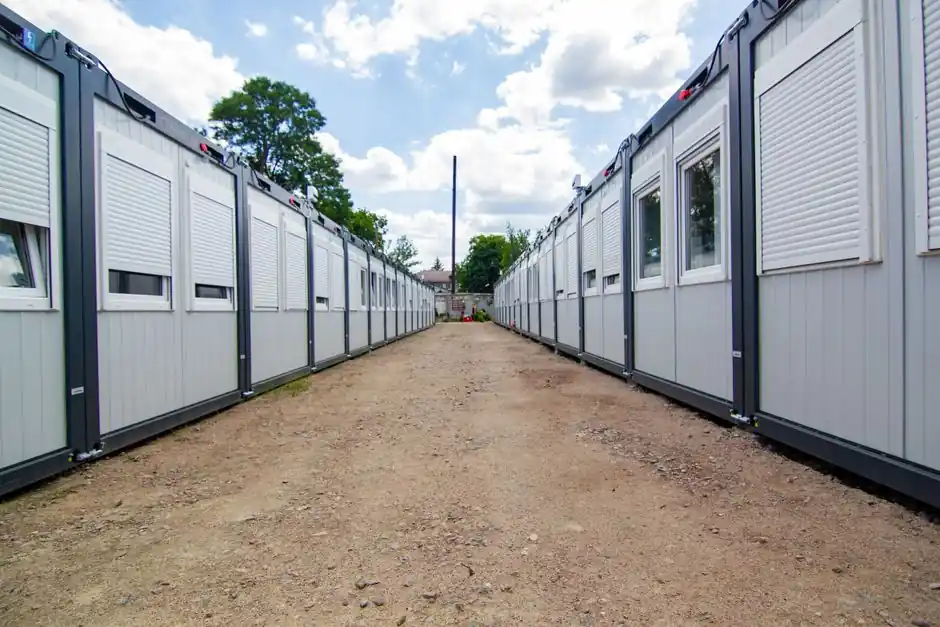
Prefabricated construction shifts the waterproofing decision earlier in the design cycle because panels, modular slabs, and at-grade tie-ins arrive on site with factory-set tolerances, not field-cast variability. Sheet membranes, bentonite composites, and liquid-applied systems are the three families most often paired with prefab envelopes, and each handles the joint-heavy geometry of modular builds differently [S2].
The global waterproofing membrane market reached USD 25.62 B in 2025 and is projected to grow from USD 27.08 B in 2026 to USD 42.16 B by 2034, at a 5.69% CAGR, with Asia Pacific holding 36.4% share in 2025 and prefabricated sheet formats expanding fastest within that volume [S3]. Engineers specifying for prefab should treat membrane type, joint detail strategy, and drainage plane as a single system rather than three separate line items.
Sheet, Bentonite, and Liquid-Applied Families Compared
Sheet membranes, bentonite-based systems, and multilayered composite systems each address different project conditions, with no single product dominating every prefab detail [S2]. Sheet membranes ship in rolls, are unwound onto a firm substrate, and include the bituminous waterproofing membrane as the most widely specified option, with prefabricated sheet formats growing fastest in 2026 volume terms [S3]. For a primer on how a waterproof membrane is classified against a modified bitumen membrane, the differentiation comes down to polymer modifier, thickness, and lap method rather than field performance alone. Liquid-applied membranes, applied by spray or roller, form a continuous, joint-free barrier that conforms to surface irregularities, an advantage on modular panels where factory-cut penetrations break the plane [S1]. Compared with sheet systems, liquid application trades joint elimination for stricter thickness control and weather-window sensitivity during placement [S1].
Blindside and Zero-Lot-Line Constraints on Prefab Sites
Blindside waterproofing is the dominant spec where the building extends to the property line, with structural concrete cast directly against the membrane so any installation error becomes hidden and inaccessible after the pour [S2]. Soldier pile lagging, sheet piling, and shotcrete soil nail walls each produce different substrate conditions, forcing membrane choice to track the shoring system rather than the building program. In prefab work this matters because modular foundations often arrive as pre-assembled bases that cannot be re-waterproofed once set, raising the cost of a blindside failure to a full module replacement. Sheet membranes, bentonite-based systems, and multilayered composite systems each offer appropriate solutions for these zero-lot-line and at-grade transition conditions, but the lap and termination sequence must be drawn before module delivery, not after [S2].
Decision Criteria for Modular and Prefabricated Geometry
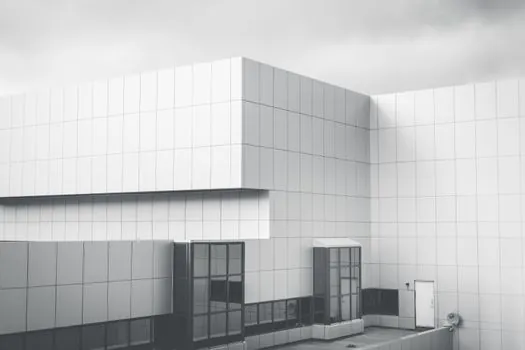
Selection of a liquid membrane turns on five variables that map cleanly onto prefab work: application temperature, substrate moisture content, complexity of details, schedule, and desired adhesion to the modular substrate [S1]. For prefab panels with factory-applied drainage composites, thermal and waterproofing integration often dictates whether a self-adhered sheet or a cold-applied liquid is feasible at the panel-to-panel joint. Where prefab modules meet a cast-in-place slab, transition detailing and at-grade termination become the failure origin points that most often drive warranty calls, not the field of the membrane itself [S2]. On conventional foundations more than 3 stories or 600 m², full waterproofing rather than dampproofing is generally required when drainage cannot unequivocally eliminate infiltration, a threshold that prefab mid-rise work routinely crosses [S1].
Climate, Hydrostatic Pressure, and Application Window
Freeze-thaw cycling, high humidity, and uneven substrates put liquid and sheet systems to a severe test in cold climates, which is why liquid membranes are gaining popularity where foundation details are complex or installation conditions are not ideal [S1]. The same source flags that some liquid membranes are unsuitable for environments with high hydrostatic pressure, demand strict thickness control, and remain sensitive to imminent rain or substrate contamination during application. For prefabricated construction, that sensitivity argues for factory-applied membrane under controlled humidity, then field-butt jointing with compatible tape or liquid sealant at erection. Engineers comparing these options against the broader construction tools and envelope systems catalog should score each membrane on hydrostatic head rating, elongation at break, and lap shear strength on the specific modular substrate, not on generic manufacturer brochures.
System-Level Spec: Drainage, Protection, and Compatibility
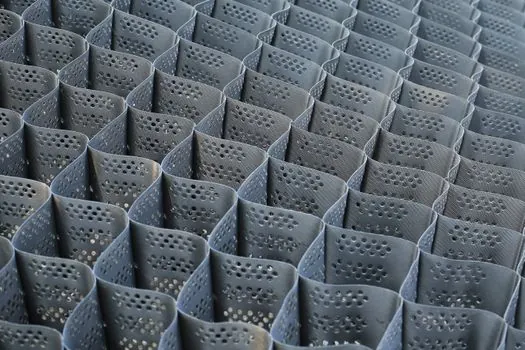
A waterproofing membrane, liquid or sheet, never performs alone; drainage, mechanical protection, insulation boards, and product compatibility directly influence total system longevity, which is why a holistic approach outperforms single-product optimization [S1]. On prefab sites the drainage plane frequently arrives pre-attached to the modular base, so the membrane must be chemically compatible with that factory laminate or the bond line becomes the weak link. The full waterproofing system should be specified as a stack, not as a standalone roll, with each layer carrying a documented adhesion value to the layer above and below.
Failure Modes and Field-Verifiable Watch-Outs
Most waterproofing failures originate at transitions and terminations rather than in the membrane field, a pattern that shows up consistently in blindside and at-grade work [S2]. Liquid systems shift the failure mode from lap integrity to thickness variance and contamination, so wet-film gauges and pull-off testing become the field verification that catches problems before backfill. For prefab, the most common hidden failure is a missed or misaligned module-to-module joint where factory tolerances stack up faster than field crews can compensate, leaving a gap that sheet laps cannot bridge.
Sourcing, Standards, and Cost Bands
Specifying engineers should match membrane type to a documented performance claim rather than a generic category, and should demand third-party documentation of hydrostatic resistance, elongation, and chemical compatibility with adjacent prefab materials [S1][S2]. The Asia Pacific region, holding 36.4% of 2025 global share, is the supply base for the bulk of prefabricated sheet membrane volume, which has direct implications on lead time and minimum order quantity for North American and European prefab projects [S3]. Material cost trends inside the 5.69% CAGR forecast suggest a roughly 55% nominal price-and-volume expansion by 2034, so locking membrane type early in the prefab design cycle is also a hedge against specification drift. For an adjacent spec map on industrial facility waterproofing, the industrial waterproofing selection guide carries a parallel decision framework worth cross-referencing, and hospital-grade below-grade and wet-room specs show how transition detailing is handled in a more regulated envelope.
Trackable signals for the next spec cycle: the 2026 prefabricated sheet sub-segment growth rate inside the broader 5.69% CAGR, and any shift in self-adhered versus torch-applied lap specifications for modular panel-to-slab transitions. Engineers should also watch for revised at-grade termination details from the major bentonite-composite suppliers, since those typically reset the blindside detail library used by prefab foundation designers.