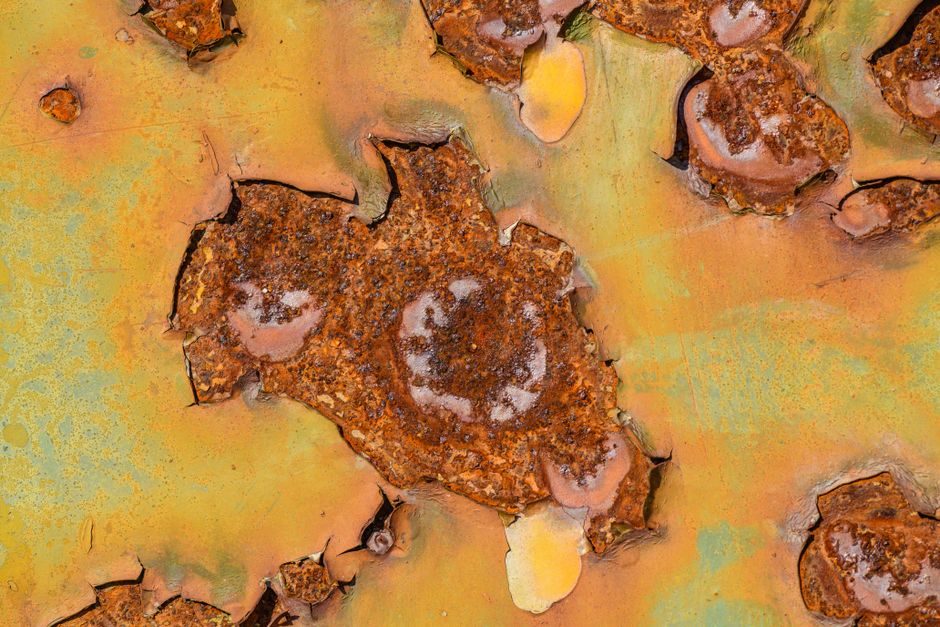
Weathering steel is a low-alloy HSLA family (typified by ASTM A588 and COR-TEN®, with Chinese Q345WS as a domestic analogue) that relies on Cu, Cr, Ni, P and Mn additions to form a dense, adherent oxide layer, whereas alloy steel is a much wider designation covering grades like 4140, 4340, A387 and S690Q engineered for through-hardening, elevated-temperature strength and pressure-vessel duty [S2][S3][S8].
On 2026-07-25 Welspun Specialty Solutions (WSSL) — India's only integrated stainless & alloy producer running steel-making to seamless tubes at ~150,000 t/yr melt capacity and ~18,000 t/yr tube capacity — confirms alloy steel remains the default for automotive, energy, defence, nuclear and aerospace components [S3]. On 2026-07-08, U.S. corten-roofing lines and 2026-07-27 Australian stockists (SSAB authorised distributor) keep COR-TEN® coils and sheets moving for cladding and structural projects [S5][S7].
Definitions, Alloy Systems and Spec Families
Weathering steel sits inside the HSLA bracket: typically 0.12 % C max with Cu 0.25–0.55 %, Cr 0.30–1.25 %, Ni ≤ 0.65 % and P 0.07–0.15 %, producing a corrosion rate roughly 2–8× lower than plain carbon steel in cyclic wet/dry atmospheres once the patina stabilises [S4][S10]. The dominant spec families are ASTM A242, A588 (structural), A606 (sheet/strip) and A847 (HSS tubes); COR-TEN® A and COR-TEN® B are the trade-named equivalents owned by SSAB [S5][S7][S8].
Alloy steel, by contrast, is defined by purposeful additions of Cr, Ni, Mo, V, Mn, Si or B totalling more than the residual levels allowed in carbon grades, and is selected to push hardenability, temper resistance, creep strength or corrosion resistance far beyond what carbon steel delivers [S2]. Pressure-vessel plates such as ASTM A387 Gr.11 Cl.1, A515 Gr.70 and the quenched-and-tempered S690Q sold by Chinese mills (e.g. 609 t to an Indian customer) all sit under the alloy-steel umbrella, alongside seamless tube grades for nuclear and defence [S1][S3].
Mechanical Properties and Service Limits
Q345WS weathering steel tested post-fire between 20 °C and 1000 °C retains useful yield strength through ~600 °C under air cooling, with sharper drops above 700 °C — a direct reminder that the protective patina does not buy you fire rating [S9]. A588 Grade B typically guarantees ≥ 345 MPa yield and 450–620 MPa tensile in plate ≤ 100 mm, comparable to many low-alloy structural grades but well below quenched-and-tempered alloy plate [S8].
Alloy steel 4140 in the Q&T condition routinely posts 655–860 MPa yield with 22–26 % elongation, 4340 reaches > 1,000 MPa tensile in heavy sections, and A387 Gr.11 sustains creep strength at 400–600 °C for refinery and boiler service [S2][S3]. Where you need through-section hardness > 30 HRC, fatigue endurance in rotating shafts, or ASME-stamped pressure integrity, alloy steel is the only credible option — weathering steel is not specified for those duties.
Corrosion Behaviour: Patina vs Active Protection
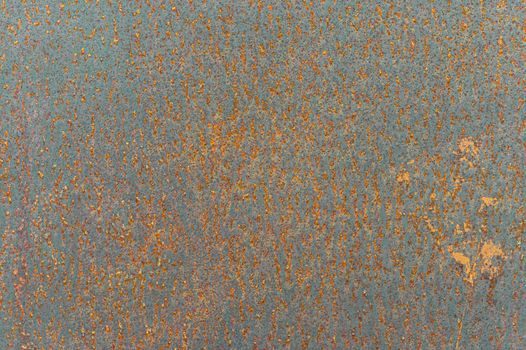
The MnCuP system behind most weathering steels builds an amorphous, Nano-grain rust layer that drops atmospheric corrosion rates to roughly 0.002–0.005 mm/yr after 3–5 years of wet/dry cycling, compared with 0.025–0.05 mm/yr for unprotected carbon steel [S4]. That is the same mechanism that makes unpainted COR-TEN® bridges viable for 50–80 year service lives, and it is why corten roofing and siding are marketed as a "living finish" rather than a coated system [S5][S6].
Alloy steel does not get the same patina behaviour; its corrosion resistance is bought through chemistry (Cr, Mo, Ni) and heat treatment, not through a stabilised oxide. For sour-service (NACE MR0175) or chloride pitting, you step up to stainless 316/904L or duplex — outside the alloy-vs-weathering decision entirely [S3]. In immersion, buried, de-icing-salt splash or constantly wet conditions, weathering steel performs like carbon steel and is the wrong choice; it needs the wet/dry cycle to lock in the patina [S6][S8].
Selection Criteria: Cost, Fabrication and Lifecycle
On 2026-07-08 trade listings, weathering steel sheet commands roughly a 20–40 % premium over galvanized mild steel in coil form, partly offset by the elimination of paint systems, repainting cycles and the disposal of blasting debris [S5][S6]. Alloy steel plate pricing varies widely — A387 pressure-vessel plate trades at a moderate premium over A516 carbon plate, while S690Q and quenched-and-tempered 690 MPa grades run 2–3× mild steel pricing because of the heat-treatment and through-thickness property guarantees [S1].
Fabrication differs: weathering steel is produced to the same forming, welding and cutting practice as mild HSLA, with the note that welds must use matching weather-resistant filler (e.g. AWS E8018-W) to avoid rusty weld seams [S6][S8]. Alloy steels like 4140/4340 demand preheat (typically 150–300 °C), PWHT and严格的 hardness control on thick sections, otherwise you risk hydrogen cracking or stress-relief temper embrittlement [S2].
Use-Case Mapping: Who It's For, Who It Isn't
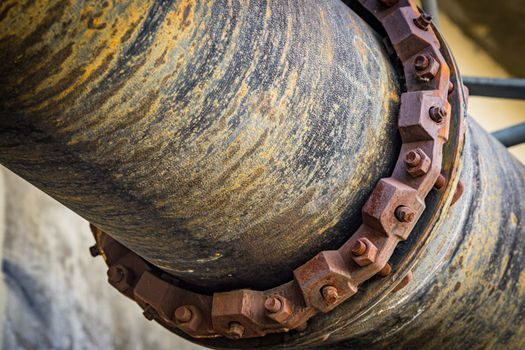
Spec weathering steel for: unpainted highway bridges, rail wagons, transmission towers, architectural façades, retaining walls, planter boxes, outdoor sculptures and coastal (but not submerged) architectural cladding — COR-TEN® A is the typical 6–12 mm plate/ sheet choice, COR-TEN® B the heavier structural grade [S5][S7][S8]. Spec Q345WS for the Chinese domestic equivalent on building frames and container chassis where 345 MPa yield is sufficient [S9].
Spec alloy steel for: pressure vessels (A387, A515), high-strength structural nodes (S690Q, S960Q), crankshafts and gears (4140, 4340), boiler tubes, refinery hydrocracker reactors, nuclear-grade seamless pipes, defence armour and aerospace forgings — basically anywhere hardenability, temper resistance or ASME/NACE compliance is non-negotiable [S1][S2][S3]. Do not use weathering steel for buried pipe, immersion service, food contact or any duty requiring a defined surface roughness or paint system; the patina stains runoff and adjacent surfaces [S6][S8].
Comparison Matrix at a Glance
Four decision criteria line the two families up cleanly: (1) Typical yield — A588 weathering plate ≈ 345 MPa, alloy plate 4140 ≈ 655–860 MPa Q&T, S690Q ≈ 690 MPa minimum; (2) Corrosion strategy — weathering forms a self-healing patina (Cu-Cr-Ni-P), alloy relies on coatings or stainless up-spec; (3) Weld/fab — weathering uses mild HSLA practice with weather-resistant filler, alloy needs preheat/PWHT and hardness control; (4) Unit cost — weathering plate 1.2–1.4× mild carbon, alloy plate 1.5–3× depending on Q&T and impact guarantees [S1][S5][S6][S8].
As a one-line rule: pick weathering steel when the design intent is "unpainted, low-maintenance, atmospheric exposure with wet/dry cycles"; pick alloy steel when the design intent is "mechanical strength, hardenability, or code-stamped pressure containment". The two are not substitutes — weathering steel is one specific low-alloy branch of the much larger alloy-steel family tree [S2][S3][S8].
Limitations, Failure Modes and Standards Watch-Points
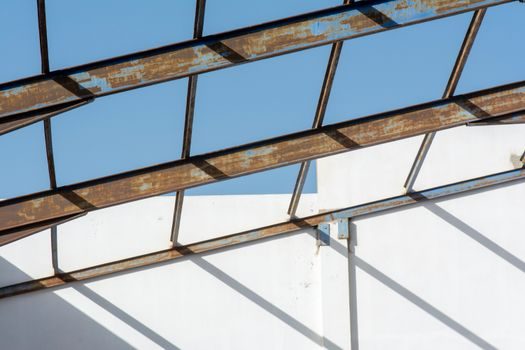
Weathering steel's known failure modes are well documented: it will continue to corrode at carbon-steel rates in constantly wet, buried, or chloride-rich environments, and run-off from the patina can stain adjacent concrete, stone or painted surfaces within the first 2–3 years [S6][S8]. Designers routinely specify a 50–100 mm drip edge or a wash-down zone, and in tunnel or under-bridge applications with persistent dampness they fall back on galvanized or painted systems instead [S6].
Alloy-steel failure modes are metallurgical: temper embrittlement in 2¼Cr-1Mo at 325–575 °C service, hydrogen-assisted cracking in sour-service if NACE MR0175 limits are ignored, and through-thickness under-performance in thick S690Q plate if rolling practice and ultrasonic testing are not tightly controlled [S2]. For buyers, the practical watch-points are the test certificate (EN 10204 3.1/3.2), the impact guarantee at the design temperature, and whether the mill is on the relevant ASME/PDS/IBR approval list for the intended service [S1][S3].
For a broader spec-first map on related material decisions — e.g. where aluminium ladder or cast aluminium grade trades off against carbon steel for industrial fitments — see this cast-aluminium vs aluminium-ladder selection map; for structural plate context on weathering plate vs low-alloy structural plate, track mill order books such as YSIC's ongoing 609 t S690Q shipments alongside COR-TEN® coil inventory updates from Australian distributors [S1][S7].
For the relevant spec sheets and selection criteria, see aluminum alloy.