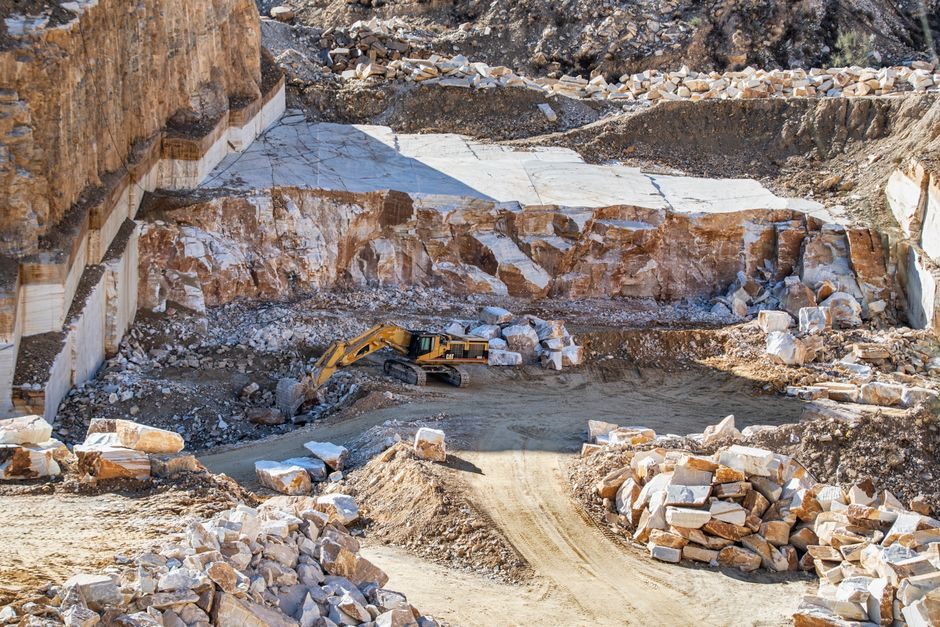
Lead times for new production-class mining trucks and underground LHDs routinely stretch beyond 12-18 months in 2026, with build slots at the major OEMs allocated on a quarterly allocation basis rather than a price-and-purchase basis [S4][S5].
Buyers that rely on a single regional distributor face the tightest constraints: the 2025-12-23 Bosch Rexroth leadership-change note (Dr. Jochen Peter joining the management board 2026-01-01, CEO from 2026-03-01) is one of several signals that the heavy-equipment drivetrain supplier base is consolidating into fewer engineering decision points [S2]. Field-side, regional independents such as Gold Fox USA (Conrad, MT) and Wolfram Mining Supplies (South Africa) still ship spares and consumables, but they source from the same upstream OEM rosters as the majors [S1][S3].
Build-slot allocation has replaced order-book purchasing
For new production mining trucks and electric-drive LHDs, OEMs such as Sandvik now run an allocation model tied to fleet modernisation plans, not just purchase orders, and the underground product range covers development drills, production drills, rock support installation, and mechanical cutting equipment sold as engineered packages rather than off-the-shelf units [S4].
Getman, with 70+ years in underground mobile equipment, mirrors that allocation pattern, prioritising purpose-built product over catalogue drop-shipping and asking buyers to submit project specifications before receiving a delivery window [S5]. Sandvik's automation and fleet-management software layers are increasingly bundled with the hardware order, raising the effective unit commitment before a single bolt is machined [S4].
Drivetrain, hydraulics and solid-tyre constraints
Bosch Rexroth's executive transition is the kind of upstream signal procurement teams watch: a single supplier of heavy hydraulics, electric drives and gearboxes feeding most underground-OEM platforms, and a leadership change at that supplier cascades into engineering priorities and capacity decisions across the sector [S2]. Magna MA601 solid tyres, sized for heavy-duty scrap-yard and slag-steel-mill service, illustrate the compounding risk on the rubber side, since solid-tyre compounds are formulated for slow-speed, high-load cycles and cannot be cross-substituted with standard pneumatic OTR tyres [S2].
Down-the-stack consequences appear in filtration, lifting, rail and pump categories that Direct Mining and Industrial ships from Perth as a regional mobile-equipment distributor; bottlenecks in one subsystem propagate into all of them on a shared assembly sequence [S6]. Encyclopaedia references such as mining dump truck specifications put hard numbers on payload and engine-power envelopes, and those envelopes are exactly what constrains the pool of acceptable drivetrain suppliers.
What buyers can and cannot de-risk
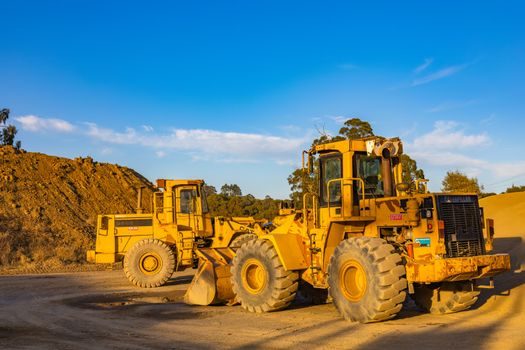
Operators CAN de-risk: spares inventory, multi-vendor consumables qualification, and early engagement on automation software lock-in, and these levers are well within reach for any site running Sandvik or Getman fleets [S4][S5]. Operators CANNOT de-risk: foundry capacity for large track frames, single-source electric-drive firmware, and the 18-24 month engineering slot for a custom drilling or scaling machine [S4][S5].
Custom builds remain the worst risk bucket: Gold Fox USA still advertises a custom-built mining equipment service from its Conrad, Montana shop, but the page exposes only a Yahoo contact email and a Conrad, MT 59425 postal address, a footprint that suggests short-run fabrication rather than sustained series production [S1]. For tier-1 buyers, the realistic risk lever is to fix the slot with a non-cancellable PO and a deposit schedule before the quarter's allocation closes, and to keep a second distributor (for example, Direct Mining in Perth) warmed up as a spares fallback rather than a fleet-source fallback [S4][S6].
Comparison of supply risk by equipment class
Buyers weighing options against four decision criteria should expect this shape of risk in 2026: (a) production LHDs and underground trucks score worst on lead time, often 12-18+ months, moderate on spares substitutability because most large components route through the OEM, worst on capital exposure because the PO is non-cancellable, and best on automation maturity because Sandvik and Getman both ship fleet-management software alongside the machine [S4][S5]; (b) utility vehicles and scalers score moderate across all four, since the Getman catalogue covers most site-support roles with mature platforms [S5]; (c) spares and consumables (filters, drill tooling, lighting, switchgear, concrete pumps, Flexiglow LED strip lights) score best on lead time and substitutability because the Wolfram, Direct Mining and similar distributors stock competing brands [S3][S6]; (d) custom-fabricated equipment from shops like Gold Fox USA scores best on flexibility but worst on series quality and warranty support [S1].
Across the major OEMs, the common pattern is bundled hardware-plus-software procurement: Sandvik's automation suite is positioned to "give you a full overview of your fleet," and that integration is a deliberate lock-in step that raises the cost of switching suppliers mid-life [S4]. The mining equipment supply chain disruption feeds file and the upstream and downstream industry map detail which components travel through which distributor tiers, and both are worth reading alongside any 2026 sourcing plan.
Standards, firmware and single-point failure surfaces
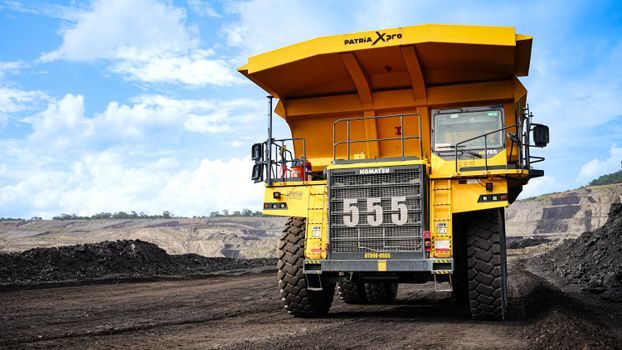
Underground diesel equipment must still meet mine-site ventilation and fire-suppression requirements; the Getman underground product line carries purpose-built ventilation-rated engines and certified cabins as engineered options rather than retrofits, and this is a useful proxy for the kind of spec lock-in a fleet buyer inherits [S5]. On the electrical side, the kind of switchboards, LED lighting and Hella automotive components stocked by regional distributors are subject to mine-specific ingress and gas-group ratings that vary by jurisdiction, and regional suppliers such as Wolfram list Vision X Global Lighting and Hella Lighting on the same catalogue as switchboards and electrical components for that reason [S3].
Automation-firmware single-point risk is the harder constraint to quantify: when a fleet is on one vendor's telemetry and machine-health platform, replacing the trucks but keeping the software (or vice versa) is rarely a clean swap, and that is the de facto lock-in behind the marketing language around "the future of mining" framed by Sandvik as efficiency, safety and sustainability. From a procurement risk lens, anti-static equipment and dc power supply standards are the kind of peripheral that buyers tend to forget, and the China mining-equipment suppliers map is a useful cross-check for cost-banded alternatives in those categories.
Procurement actions that move the needle in 2026
Three actions are worth pulling forward into Q3 2026: (1) lock build slots with non-refundable deposits before the quarterly allocation cut, since Sandvik and Getman both gate new orders behind project-spec review [S4][S5]; (2) qualify a second distributor for fast-moving spares (filters, drill tooling, switchgear, lighting) so a single OEM logistics delay does not stall production, with regional distributors like Wolfram, Direct Mining, and others serving as parallel channels [S3][S6]; (3) pressure-test any automation-bundled deal against a software-only and a hardware-only scenario, since the bundle is where the long-tail support lock-in lives [S4].
For custom or short-run fabrication (a niche that shops like Gold Fox USA still occupy), keep the order small and the spec simple, and treat the shop as a prototyping source rather than a fleet supplier [S1]. The ball bearing suppliers map is worth pairing with a drivetrain review, since most hydraulic-pump and gearbox failures route back to bearing choice. Watch the 2026-03-01 Bosch Rexroth CEO transition for any announced capacity reallocation or product-line shift [S2].