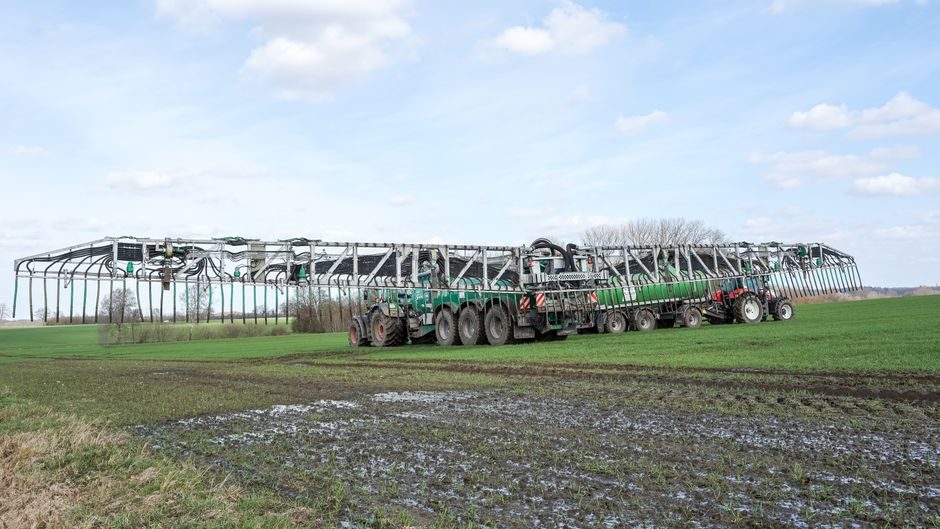
Specifying a die casting cell for tractors, harvesters, and sprayers means matching 800-1600 t clamping force to shot weight in the 2-12 kg aluminum range, where most North American and European OEM tier-1s run cold-chamber units to keep iron pickup below 0.15 % on housings and gearbox covers [S1][S2].
Agricultural equipment in this segment covers engine housings, transmission cases, pump bodies, radiator tanks, and bracket clusters, and die casting dominates over sand or gravity casting because cycle time can be held under 120 s on a 1250 t cold-chamber cell when shot weight stays below 8 kg, as currently shown in the Longhua 1250 t cold-chamber aluminum catalog listing on made-in-china.com [S3].
Two machine families and the alloy boundary that decides between them
The first technical split in any ag-machinery die-casting spec is hot-chamber versus cold-chamber, and it is set by alloy chemistry rather than by tonnage [S2]. Hot-chamber cells immerse the gooseneck and plunger in a molten bath and run zinc, magnesium, and small-volume copper alloys; cold-chamber cells ladle aluminum separately and protect the injection system from attack [S2].
For ag-machinery work, this means zinc hot-chamber cells (typically 50-400 t clamping force) handle thin-wall covers, levers, and zinc-rich brackets under 0.5 kg shot weight, while aluminum cold-chamber units (typically 800-1600 t) take the structural housings and gearbox cases that are too large or too hot for a gooseneck pump [S2]. Anyone reading the aluminum die casting machine reference page will see the same cold-chamber/shot-weight pairing that the ag-equipment tier-1s use, and the cross-reference applies because the alloy drives the configuration, not the end market.
Clamping force, platen size, and shot weight: the three numbers that lock a spec
On a cold-chamber cell destined for tractor transmission cases, the working spec usually sets clamping force at roughly 1.5-2.0 t per square inch of projected part area, platen size between 1100 x 1100 mm and 1400 x 1400 mm, and shot weight at 8-12 kg to keep fill time under 80 ms on a 100 m/s injection stroke [S2][S3]. The 1250 t class cold-chamber aluminum cell currently listed on the Chinese sourcing catalog carries that exact profile and is described as automated high-efficiency metal casting, with shot weight banded around 8-10 kg for radiator and housing geometries [S3].
For thinner covers and zinc hardware on the same tractor, a 200-400 t zinc die casting machine running 1-3 kg shot weight is the usual fit because hot-chamber zinc cells hold cycle time under 30 s on parts that weigh only a few hundred grams [S2]. A common mistake is sizing a cold-chamber aluminum cell for a 0.3 kg cover, where a 200 t hot-chamber zinc cell delivers the same geometry at a fraction of the energy and floor space; the die casting machine reference covers this trade-off in more depth.
Vacuum and squeeze assist for ag-grade porosity targets
Ag-machinery housings that bolt to a transmission case or that mate to a hydraulic pump face must hold pressure-tightness in service, and that is where vacuum assist and squeeze pins enter the spec rather than being marketing options [S1]. Vacuum die casting machine cells pull die-cavity pressure below 50 mbar before injection and routinely hold porosity under 5 % on 6-10 mm wall sections, which is the band needed to pass a leak-decay test at 2 bar on a gearbox housing [S1].
Where a customer cannot justify a dedicated vacuum cell, squeeze pins activated at 0.5-1.5 s into solidification deliver comparable density at lower capital cost; on aluminum transmission housings the squeeze-pin timing window is roughly 4-8 s from the end of fill, and the gravity die casting machine reference page is the right place to compare that route for low-volume alloy options or prototype runs.
Magnesium for hand tools and lightweight brackets
For handheld ag tools, pruner frames, and lightweight brackets where weight matters, a magnesium die casting machine in the 200-800 t hot-chamber range is increasingly specified, with the magnesium AZ91D alloy running at a melt temperature near 680 C and shot weight held between 0.3-2.0 kg to manage oxidation risk [S2]. Major hot-chamber multi-slide machine builders including Techmire, Dynacast, and Lama Automation, alongside traditional machine makers Frech, Idra, Italpresse, Weingarten, and Buhler Prince, all list magnesium-capable platforms in their catalogs, giving ag OEMs a usable supplier base when an aluminum cell is over-specified for the part [S2].
Where the die-casting spec hits real use cases in the field
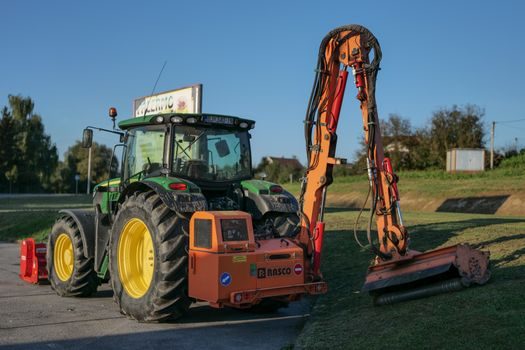
On a mid-range row-crop tractor the die-cast content is roughly 35-60 kg of aluminum housings and 8-15 kg of zinc hardware, produced on a mixed-cell layout of one 1250 t cold-chamber plus two 200-400 t hot-chamber machines, with cycle time targets of 90-150 s on the cold side and 15-30 s on the hot side [S3]. The 1250 t cold-chamber aluminum cell currently advertised on the Chinese sourcing catalog is aimed directly at this radiator-tank and housing band, and its automation description tracks the way tier-1s are reducing hand-loading on ag-machinery cells [S3].
Sprayer booms and combine feeder housings run on heavier cold-chamber units in the 1600-2000 t band because shot weight climbs to 12-20 kg and platen size stretches to 1500 x 1500 mm or beyond; any spec below that range will either underfill the die or burn the gates because fill time cannot be held in the 80-120 ms band that aluminum needs on those geometries [S2].
Common selection failures and the limits of die casting in ag work
The most frequent spec error is pushing a hot-chamber zinc cell into structural load paths; zinc creeps above 80 C and is the wrong material for any housing that runs near an engine or a hydraulic pump, and a cold-chamber aluminum cell is the only safe answer in that location [S2]. A second common error is specifying a 1600 t cold-chamber cell for a 0.5 kg cover, which raises energy use per part and lengthens cycle time because the larger platen cannot cool a small shot in the same window as a smaller cell [S2].
For very large housings above 20 kg shot weight, die casting gives way to low-pressure casting or sand casting because platen size and clamping force economics break down past the 2000 t class, and gravity casting is also preferred where a customer needs a low-volume alloy such as AlSi7Mg or a prototype run before a die is cut [S2]. Die-cast iron or steel parts are not produced by the die-casting method described here, and the die casting machine reference page flags that boundary clearly.
Sourcing channels, used machinery, and the 2026 supply picture
The current sourcing channels for ag-machinery die-casting cells split into three lanes: new cold-chamber aluminum platforms from Chinese builders such as Longhua at the 1250 t class, used hot-chamber cells from European rebuilders running Frech, Idra, Italpresse, Weingarten, Buhler Prince, Toshiba, and LK Machinery tooling, and refurbished multi-slide cells for zinc and magnesium from Techmire, Dynacast, Triad Speedcaster, Lama Automation, and Fishercast [S2][S3]. The used hot-chamber supply is the right entry point for an ag OEM that needs to add 50-400 t zinc capacity at 30-50 % of new-cell cost and accept a 6-12 month lead time on rebuild, which is a standard pattern on this kind of equipment [S2].
Trackable signals for the next planning cycle: monitor the Longhua 1250 t cold-chamber aluminum listing on Chinese sourcing catalogs for stock and lead-time shifts, and watch the used hot-chamber dealer pages in Germany, Italy, and the US for any 200-400 t zinc cells released from automotive tier-1 shutdowns, since those cells drop straight into ag-machinery lines without die rework [S2][S3]. For broader hand-tool and bracket capacity, the Screw Machine Part Types and Applications: A 2026 Spec-Driven Selection Map article covers the small-diameter fastening side that usually rides next to a die-cast housing, and the Cut-Off Machine Selection for Road Maintenance piece is the right reference for the steel fab work that mounts the castings.