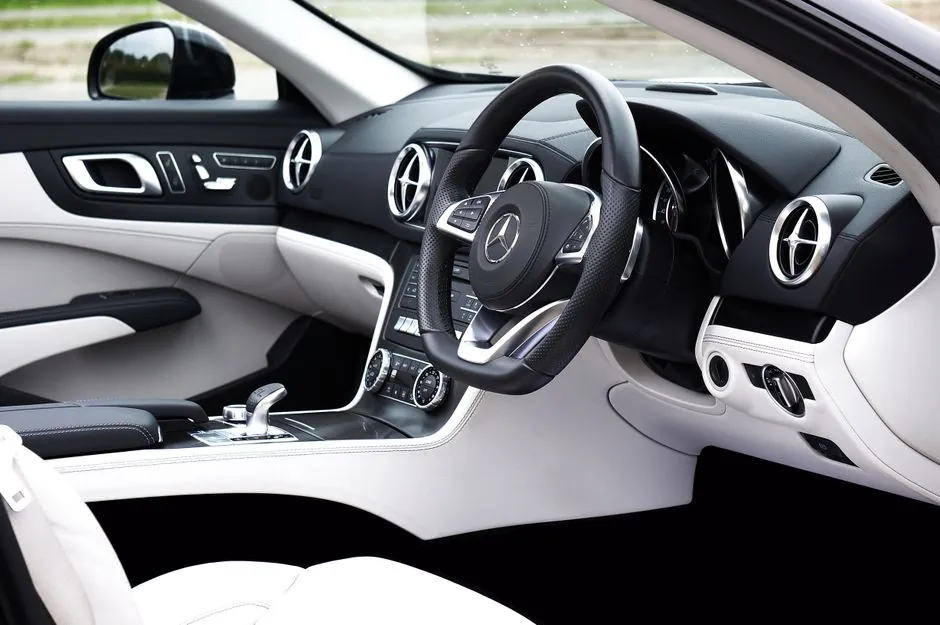
Alumina ceramics in the 95% to 99.9% Al2O3 range are the workhorse materials for automotive sensor insulators, ignition components, pump rotors, and valve seats, balancing dielectric strength, wear resistance, and sintering cost against lower-purity 70% to 85% structural grades [S1][S2].
The 95% and 99% purity tiers dominate automotive specifications because they deliver Rockwell hardness around R45N 78 to 83, volume resistivity above 10^14 ohm-cm at 25°C, and continuous service temperatures near 1500°C to 1750°C in inert atmospheres, with 99.5% and 99.9% grades reserved for tight-tolerance electronic substrates [S1][S2][S3].
Alumina Purity Grades and What Each One Buys You
Alumina ceramics are classified by Al2O3 content from 70% to 99.9%, and higher purity directly tightens tolerances, raises hardness, and improves dielectric behavior [S1].
The 95% grade is the most common automotive workhorse: it offers flexural strength typically around 320 to 380 MPa, a dielectric strength of roughly 10 to 15 kV/mm at 1 mm thickness, and a maximum continuous use temperature near 1500°C in oxidizing atmospheres [S1][S2]. The 99% grade pushes hardness higher and porosity below 0.5%, which suits hermetic electronic packages, spark plug bodies, and sensor housings exposed to thermal cycling [S2]. The 99.5% and 99.9% grades are reserved for semiconductor-style substrates and fuel cell electrolyte supports, where trace alkali content must stay below 0.1% to avoid mobile-ion drift [S1][S2].
Key Mechanical, Thermal, and Electrical Properties for Auto Specs
Alumina's combination of high hardness, electrical insulation, chemical stability, and high temperature stability is the reason it is specified over polymers and many metals in under-hood and drivetrain electronics [S3]. For procurement, four property windows drive the most RFQs: hardness (typically 9 on the Mohs scale for 95% and above), dielectric strength (commonly 10 to 15 kV/mm for 1 mm thick 95% material), thermal conductivity (about 25 to 30 W/m·K for 96% alumina, rising above 30 W/m·K at 99%), and coefficient of thermal expansion near 7 to 8 x10^-6/°C (close to silicon and to many ferrous alloys) [S1][S2].
Automotive sensors and ignition components exploit the electrical insulation side: volume resistivity above 10^14 ohm·cm at room temperature and a dielectric constant around 9 to 10 at 1 MHz make 95% alumina a default substrate for lambda oxygen sensor bodies, knock sensor housings, and ECU power-module insulators [S1]. For wear parts such as water pump seals, valve guides in aluminum heads, and ceramic bearings, the 85% to 95% grades balance hardness, fracture toughness, and machinability with the abrasive-slurry resistance needed for long service intervals [S3].
Where Alumina Fits in an Automotive Bill of Materials
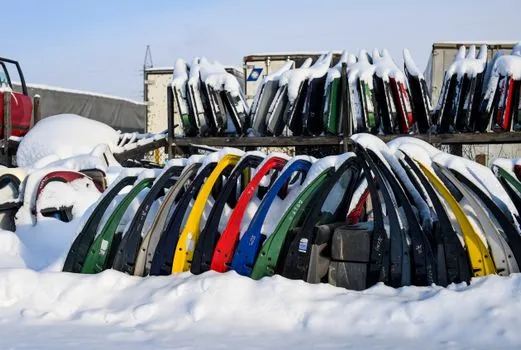
Automotive applications split cleanly into three families: electronic and sensor insulators, ignition and combustion components, and tribological wear parts [S1][S3]. In the insulator family, 95% to 99% alumina is used for spark plug insulators, exhaust gas sensor bodies, and ceramic printed circuit substrates; tight dimensional tolerances and high dielectric strength matter more than raw thermal conductivity here, so 99% purity is commonly specified [S1][S2].
In ignition components, alumina replaces porcelain at the high end, holding spark plug center electrodes and insulator tips that see continuous exposure above 1000°C and thermal shock during cold start [S1]. For tribological applications, alumina competes with zirconia and silicon carbide, but it is the default where hardness, chemical inertness to glycol coolants, and price are the constraints; typical examples are seal rings, pump plungers, and metering components in SCR AdBlue systems, where Al2O3 compatibility with urea solutions and temperatures up to 600°C is a routine requirement [S3]. Buyers comparing the family of advanced ceramics can reference the alumina ceramic reference page against the zirconia ceramic and industrial ceramic indexes for thermal and toughness trade-offs.
Comparing Alumina Against the Common Automotive Alternatives
Against the materials a sourcing engineer is most likely to weigh side by side, alumina sits in a specific slot: cheaper than zirconia and beryllium oxide, harder than aluminum nitride, less thermally conductive than aluminum nitride or silicon carbide, and tougher than soda-lime glass [S1][S2][S3]. Zirconia is preferred where fracture toughness above 6 MPa·m^1/2 is needed (for example, in some valve components), but it loses on thermal conductivity and high-temperature creep, so it is rarely the insulator of choice [S1].
Silicon carbide is the right call for sliding seals and high-wear bearings above 1000°C because of its thermal conductivity above 120 W/m·K and retained hardness, but it costs more per kilogram and is harder to diamond-machine to tight tolerances [S3]. Aluminum nitride wins on thermal conductivity (around 170 to 200 W/m·K) for power electronics, but it is more moisture-sensitive and not usually specified for under-houd wear parts [S1][S3].
Manufacturing Route and Tolerances Buyers Should Pin in the RFQ
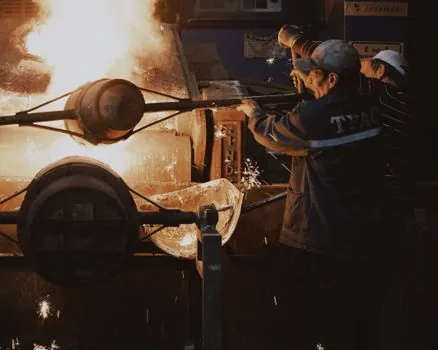
Production route and achievable tolerance go together: dry pressing and isostatic pressing deliver 95% to 99% parts at low cost for simple shapes, while injection molding and slip casting are used for the complex geometries that automotive sensor and valve bodies need [S1]. Sintering at 1600°C to 1700°C is the standard consolidation step for high-purity grades, and the resulting shrinkage of roughly 15% to 20% must be accounted for in green-state tooling if tight post-sinter tolerances are required [S1][S3].
For tight-tolerance features, diamond grinding is the conventional finishing method and is offered by most alumina parts suppliers as a standard secondary operation [S1]. Sourcing engineers should pin sintered density (typically 3.7 to 3.95 g/cm^3 for 95% to 99% grades), surface roughness (Ra 0.4 µm or better achievable on ground faces), and any metallization requirement (Mo-Mn or tungsten for brazed assemblies) directly in the RFQ to avoid post-quote redesign [S3]. Quality programs typically reference ISO 9001:2015 for general supplier qualification, with PPAP and IMDS submissions required for series automotive parts on top of the base system [S4].
Failure Modes and Limits Engineers Should Not Overlook
Alumina is brittle: fracture toughness sits near 3 to 4 MPa·m^1/2, so impact loading, point loads, and tensile stress concentrations must be designed out, not absorbed [S1]. Thermal shock resistance is limited; a sudden quench from 200°C into room-temperature water can crack even high-purity alumina, which is why sensor housings and spark plug tips are usually given a controlled thermal gradient and a metal sleeve or cement bond to manage the CTE mismatch to surrounding steel or aluminum components [S1][S2].
Electrical applications need a watch on alkali content: Na2O and K2O above 0.1% by mass can drive mobile-ion leakage at high humidity and temperature, so any 95% or 99% grade destined for under-hood ECUs should be sourced with an assayed chemistry certificate rather than a generic datasheet [S1][S2].
How Alumina Lines Up with Related Procurement Topics
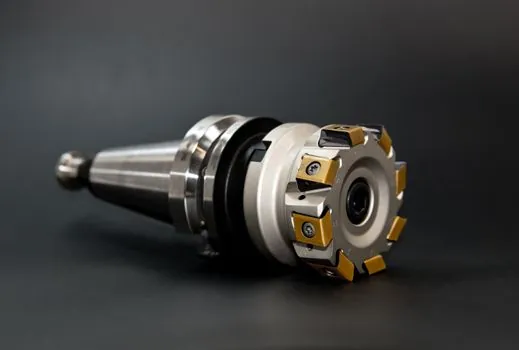
Alumina ceramic sourcing shares the same engineering decision pattern as other 2026 spec-map topics: pin a content grade or property band, then qualify suppliers on tolerance and secondary operations rather than on raw material alone. For teams also specifying ceramic-bearing rolling elements in electric drivetrains, the ceramic bearing reference and the additive manufacturing material index help frame whether a hybrid metal-ceramic part is a better fit than a monolithic alumina body. The next trackable signal is the 2026-09 update cycle from major automotive Tier 1 sensor suppliers on whether 99.5% alumina displaces 96% alumina in next-generation SiC-inverter gate-driver substrates. [S3]
This topic is covered further in Cycloidal Reducer Selection for Mining: Shock, Service Factor, and Limits.