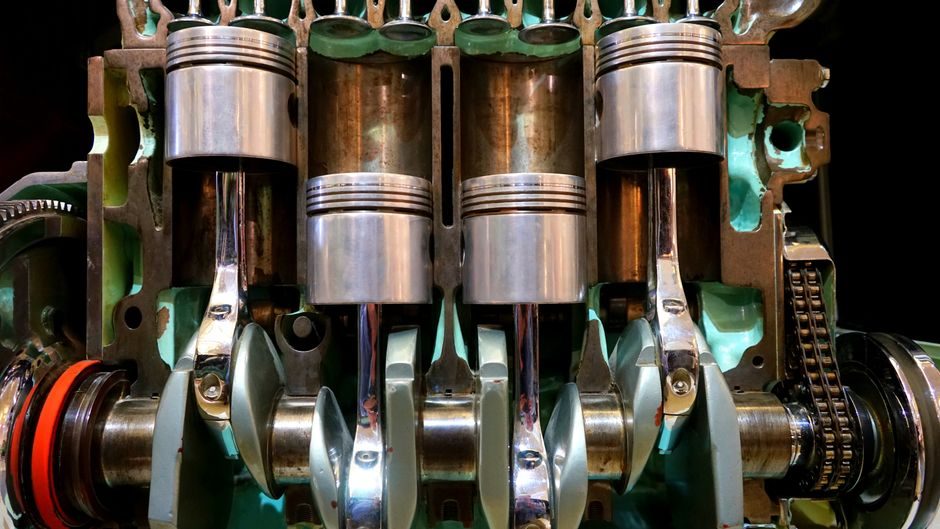
Aluminum high-pressure die casting (HPDC) machines in 2026 OEM catalogs span from 25-ton (≈220 kN) mini units at roughly 10,000-11,000 USD up to 900 kN (≈80-ton) cold-chamber cells in the 17,000-22,000 USD range, before tooling and auxiliaries [S1]. The same machine class routinely achieves shot speeds that keep dry-cycle times under 30 s, which is why HPDC dominates thin-wall automotive and 3C enclosures.
Not every aluminum part belongs on an HPDC cell, though. Selection turns on alloy (Al vs Zn vs Mg), part geometry, required mechanical properties, lot size, and whether the buyer can absorb the die cost that is typically 5-10x the per-machine price before the first good part drops. The next sections lay out the spec envelope, the realistic pros, and the failure modes that procurement engineers need to price in.
Machine Classes and Force Range
Three force bands define the market in mid-2026 listings: micro-tonnage 25-ton (≈220 kN) benchtop cells for prototypes and small zinc/aluminum hardware, mid-range 130-400 ton units for motorcycle and small-engine covers, and heavy 800-900 ton (≈7,000-8,000 kN) cold-chamber machines for automotive structural nodes and EV battery housings [S1]. Cold-chamber HPDC remains the default for aluminum because molten aluminum attacks iron, pushing the injection shot into a separate sleeve kept below the melt furnace [S5].
Hot-chamber variants exist primarily for zinc and magnesium alloys, where the melt stays submerged in the gooseneck; for aluminum the chemistry forces the cold-chamber architecture. Tier-1 integrated foundries such as Arpek in Turkey report annual aluminum casting capacity above 5,000 t, with the cell layout coupling robotic extraction, in-die trimming, and integrated CNC machining on a single line [S3]. The aluminum die casting machine reference page collects the same force-vs-tonnage mapping for sourcing cross-checks.
Where HPDC Wins: Throughput, Dimensional Stability, Surface
HPDC parts reach net-shape tolerances typically held at ±0.05-0.1 mm on critical features, with as-cast surface finishes of Ra 3.2-6.3 μm that frequently drop straight to decorative chrome or powder coat without machining [S2]. Cycle times of 30-90 s per shot, multiplied across multi-cavity dies, push a single 800-ton cell beyond 100,000 shots per year on two-shift operation [S5]. The process handles wall thicknesses down to 1.5-2 mm in aluminum, which is why motorcycle engine covers, fuel-dispenser bodies, and robot-arm shells from Chinese suppliers show wall stock under 2.5 mm in current catalogs [S6].
Mechanical property envelope: as-cast ADC12 / A383 tensile strength typically lands at 310-330 MPa with elongation around 1-3%, which is adequate for housings and brackets but disqualifies HPDC for any part that needs ductile fracture behavior under crash load. Integrated casting-plus-machining suppliers such as Arpek advertise this combined workflow, with die casting machine cells feeding robotic trim presses and then CNC stations within one takt [S3]. For buyers comparing the four main cold-chamber types, the gravity die casting machine entry covers the lower-force, lower-throughput alternative that trades takt for porosity control.
Where HPDC Loses: Tooling Cost, Porosity, Alloy Reach
A new HPDC die for a complex aluminum housing runs 30,000-150,000 USD depending on cavity count and slide action, with lead times of 8-14 weeks before first sample. That upfront spend is the single largest reason HPDC is wrong for prototyping or for annual volumes below roughly 5,000 parts, where the amortized die cost pushes per-part pricing above sand or gravity alternatives. [S1]
Porosity is the chronic HPDC defect: entrapped gas and shrinkage cavities concentrate in thick sections and behind bosses, forcing vacuum-assist or squeeze-cast retrofits when leak-tightness or heat-treatment is required. Standard HPDC cannot be T6 heat-treated in the traditional sense without blistering, because trapped gas expands; vacuum HPDC cells address this but add 20-40% to machine price and cycle time. Alloy reach is also narrow: A380, A383, ADC12 dominate, and high-silicon or high-magnesium grades corrode standard shot sleeves quickly. Buyers chasing tighter metallurgy should look at vacuum die casting machine configurations, while magnesium programs route through the magnesium die casting machine class entirely.
Selection Criteria vs Other Die-Casting Processes
Choosing between HPDC, gravity, low-pressure, and vacuum is a 2-axis decision: required mechanical properties on the Y axis and lot size / tooling budget on the X axis. HPDC wins for volumes above 10,000 parts/year on thin-wall, complex geometry, with no need for T6 heat treat. Gravity die casting wins for thicker sections, slower cooling, and tighter alloy chemistry control, at the price of cycle times stretching to 2-5 minutes. Low-pressure casting suits wheel-hub and structural nodes with under 1% porosity targets, while vacuum HPDC is the only HPDC variant that survives T6 solution treatment without blistering. [S3]
For zinc hardware (locks, fasteners, decorative trim), the zinc die casting machine hot-chamber class is the correct pick, because zinc's low melting point (≈420 °C) lets the gooseneck stay immersed without iron-attack chemistry issues. The practical decision rule: if the part is aluminum, above 2 mm wall, and destined for an as-cast surface, cold-chamber HPDC at 130-900 ton is the default. If leak-tightness, T6, or weldability after casting appears on the drawing, budget for vacuum HPDC or step down to gravity/low-pressure.
Failure Modes and Operating Constraints Buyers Must Price
The four most common HPDC production failures are: (1) cold shuts and flow lines when shot speed drops below roughly 2 m/s or die temperature falls under 180 °C; (2) soldering — aluminum sticking in the die — when release-agent cycles stretch beyond recommended intervals; (3) die soldering accelerated by iron pickup, shortening die life from a typical 100,000+ shots toward 30,000-50,000 when steel grade selection is wrong; and (4) flash at parting lines when clamping tonnage is undersized for projected area, since aluminum at injection pressure needs roughly 5-7 t/in² (≈0.7-1.0 kN/mm²) of projected area to seat the die [S5].
Buyers should also price the auxiliaries that the headline machine cost never includes: die-spray robots, automatic ladles, trimming presses, shot-collection conveyors, and the centralized hydraulic and cooling package. A 400-ton HPDC cell realistically lands 40-60% above the bare machine price once the cell is installed, and a 5,000-t/year integrated foundry such as Arpek implies a multi-cell, multi-million-dollar facility layout [S3].
Standards, Certification, and Supply Signal
Automotive HPDC suppliers work to IATF 16949 as the baseline quality standard, with ISO 14001 layered for environmental management, both visible on tier-1 foundry disclosures in 2026 [S3]. For high-pressure die casting machinery itself, CE conformity under the EU Machinery Directive remains the de facto European market entry requirement, and Chinese OEM listings on the leading B2B portals consistently publish CE-marked KS-series cells with high-shot-speed and shorter pressure setup time as headline specs [S5].
Trackable signals in the second half of 2026: watch for vacuum-HPDC cell counts at integrated foundries serving EV battery housing programs, IATF 16949 surveillance audit results for tier-2 Chinese suppliers, and any revision noise around NADCA die-life guidelines. Buyers comparing aluminum ingot sourcing for in-house melt can reference the aluminum ingot smart manufacturing sourcing map for upstream spec alignment, and for adjacent process selection the shuttle system advantages and disadvantages piece covers a related short-cycle mass-production decision.