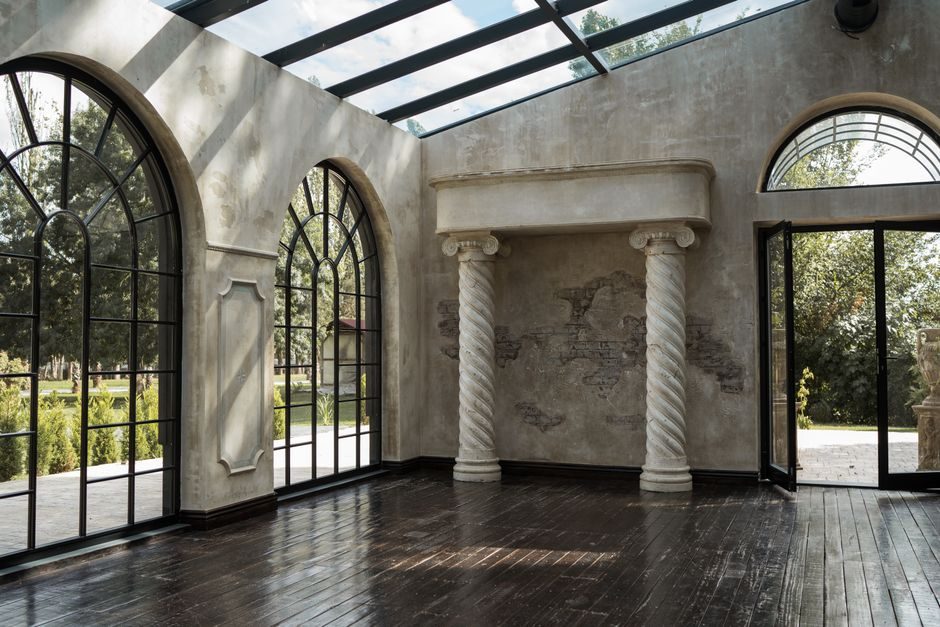
Aluminum window and door assemblies sourced from Chinese factories land in a broad FOB price band of roughly US$100-600 per piece for standard casement, sliding and tilt-turn configurations, with thermal-break and triple-glazed floor-to-ceiling units climbing above that ceiling on large orders [S4][S5].
For specifiers, the practical reading is that a baseline single-glazed sliding window on a 1.0-1.4 mm non-thermal-break profile is the floor of the market, and that any move toward European-style thermal-break, powder-coat colour or triple-glazed IGUs must be costed as a step change, not a marginal option [S3][S6].
Profile system and thermal break: the dominant cost lever
The single largest cost driver on an aluminum window or door is the profile system, and within that the presence of a polyamide thermal-break strip. Chinese factory listings distinguish plain aluminum (single-chamber extrusion, typically 1.0-1.4 mm wall) from thermal-break (双断桥) profiles with an insulating polyamide bar mechanically joined between inner and outer aluminum shells [S2][S6]. A standard aluminum casement window with double glazing lists in a FOB range that is roughly 25-35% lower than a thermal-break unit of the same nominal opening, before hardware and finish are added [S2][S3].
Profile weight per metre is the engineer-facing proxy for cost: a heavier extrusion uses more aluminum billet per linear metre, and finished-door quotes scale with profile weight even when the glass package is held constant [S2][S3]. For reference, when comparing supplier quotes side-by-side, the aluminum window and door system reference treats profile cross-section and thermal-break status as the first two spec gates — downstream hardware and glazing are scored only after those are fixed.
Glazing package: single, double, triple — cost steps of 15-30%
Glazing count is the second lever, and it stacks multiplicatively with profile system. Standard casement and sliding units in the Chinese supply base ship as single glazed (5 mm float) at the entry tier, double glazed (5+12A+5 insulating glass unit) at the mid tier, and triple glazed with warm-edge spacer at the upper tier [S3][S6].
Triple-glazed floor-to-ceiling assemblies are explicitly marketed as a premium product class, with unit pricing above the standard US$100-600 band on Made-in-China listings, and minimum order quantities typically expressed in pieces rather than square metres [S4]. For spec work, treat the glazing step as a separate line item; do not let suppliers bundle it into the profile price, because that hides the IGU substitution risk on replacement cycles.
Surface finish: anodised, powder-coat, electrophoresis and wood-grain transfer

Surface treatment is the third lever, and it is the most variable line item across Chinese factory quotes. The four treatments actively listed by Foshan- and Guangdong-based suppliers are anodising (silver/bronze), powder coating (RAL colour range), electrophoresis coating (kính electrophoresis, used for metallic and dark finishes) and wood-grain transfer print on powder coat [S3][S4]. Powder-coat colour adds a smaller absolute cost increment than electrophoresis, and wood-grain transfer carries a setup surcharge on small lots but a near-zero marginal cost above a few hundred pieces [S3].
Specifiers specifying for coastal or high-UV exposure should weight the finish question: anodising is the most weatherable on a per-micron basis, while powder-coat thickness and Qualicoat-class certification — not the colour RAL code alone — drive long-term fade and chalk resistance [S3]. When the project calls for a fire-rated assembly in an aluminum skin, the surface finish is usually a fire-rated powder coat over a steel-reinforced core, which is a different supply chain from the residential window and door quotes above.
Hardware, opening type and size — the secondary 10-20% swing
Hardware grade and opening type form the secondary cost band, typically a 10-20% swing on top of the profile + glazing + finish base. Sliding (推拉门) and folding (折叠门) systems use more rollers and tracks per leaf than casement (平开窗), so a same-size opening costs more as a sliding or folding unit than as a casement [S2][S3]. European-style tilt-turn hardware, with multi-point locking and concealed hinges, sits at the top of the hardware range and is the typical differentiator between a domestic Chinese unit and an export-grade unit destined for European or Australian residential projects [S5][S6].
For non-standard sizes (floor-to-ceiling, arched, oversized sliding), expect a further 15-30% premium for non-stock dies and reinforced rollers [S4][S5].
Manufacturer landscape: Foshan cluster, MOQ bands, lead time
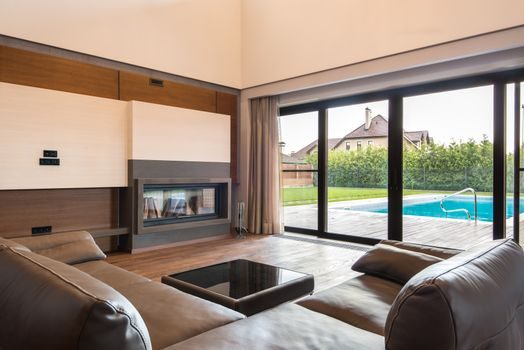
The Chinese supply base for finished aluminum windows and doors concentrates in the Foshan-Guangdong cluster, with secondary capacity in Shanghai and the Yangtze delta. Foshan Gudeli Door and Window System quotes FOB prices starting at US$100/piece for standard aluminum window units with a 10-piece MOQ, which is the typical small-project entry point [S4]. SuperHouse (20+ years of manufacturing experience across all types) and Winco (US-focused commercial aluminum window maker) sit at the export-grade end of the market, with the engineering depth to handle non-standard openings, custom finishes and project-level certification [S1][S5].
For general-spec projects, a useful comparison: an HMI touch panel 2026 buying guide and a knife gate valve 2026 buying guide follow the same engineering logic — pin the spec gates (profile system, glazing, finish), score the suppliers against MOQ and lead time, then negotiate the per-piece price. The same logic applies to casting mold 2026 cost levers, where base material plus finish drove the cost difference.
Selection criteria and who this is for — vs who it is not
Aluminum windows and doors in this price band are the right fit for residential and light-commercial projects in Cfb/Cfa/Cwa climate zones where a thermal-break profile + double-glazed IGU meets code, and where the project can accept a 4-8 week FOB lead time plus 2-4 week sea transit. They are NOT the right fit for high-rise curtain-wall (unitised or stick-built) projects, for blast- or hurricane-rated assemblies, or for fire-rated corridors above 60 minutes — those product classes are different extrusions, different hardware, and different certifications, and quoting them against the US$100-600/piece band above is a category error [S1][S5].
The most common spec mistake is treating "aluminum window and door" as a single product line. It is not. The selection tree starts at profile system (non-break vs thermal-break), then glazing (single vs double vs triple), then finish (anodised vs powder vs e-coat vs wood-grain transfer), then opening type, then hardware grade — and each gate is a step change in cost, not a marginal option [S2][S3][S6].
Cost comparison: non-break vs thermal-break, single vs triple glaze
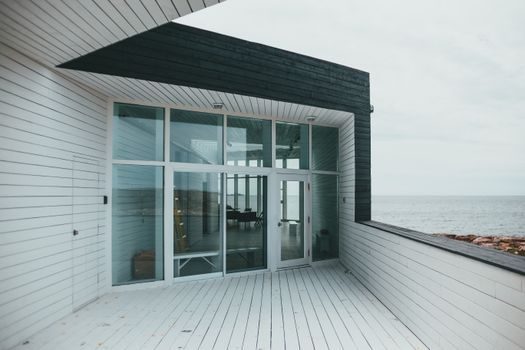
Putting the levers side by side on a nominal 1200×1500 mm casement window, the indicative per-piece FOB bands from Chinese suppliers in 2026 are: non-break profile + single glaze at the floor; non-break + double glaze at the mid-low band; thermal-break + double glaze at the mid band; thermal-break + triple glaze + powder coat RAL colour at the top of the US$100-600 piece range, with export-grade tilt-turn hardware and custom RAL pushing the same opening above the band [S2][S3][S4][S5][S6].
The four-axis comparison to lock in a quote is therefore: (1) profile system and wall thickness, (2) glazing count and IGU gas fill, (3) surface treatment type and Qualicoat/anodising class, (4) hardware grade and opening type. Pinning those four axes first is the difference between a comparable quote and an apples-to-oranges quote — a door assembly reference lists the same four gates as the spec baseline.
Limitations, standards and the next trackable signal
Two constraints to flag on the 2026 supply base: first, the US$100-600 FOB band assumes standard sizes, standard finishes and MOQ 10-50 pieces; project lots below MOQ 10 carry a 20-40% setup surcharge that is not visible on headline price lists [S4]. Second, FOB pricing excludes destination port charges, sea freight, destination duties, and installation — for installed cost on a turnkey basis, the finished unit FOB is typically 35-55% of the on-site installed price, with the balance split between logistics, hardware add-ons, flashing, labour and overhead [S1][S5].
Trackable next signals: (1) the spread between domestic-grade and export-grade thermal-break profiles — if it widens past 40% in late 2026, expect a downward reset on the mid-band; (2) the lead time on triple-glazed IGU lines in Foshan, currently running at 4-6 weeks in mid-2026, which gates the upper-band price from falling further until capacity expands.