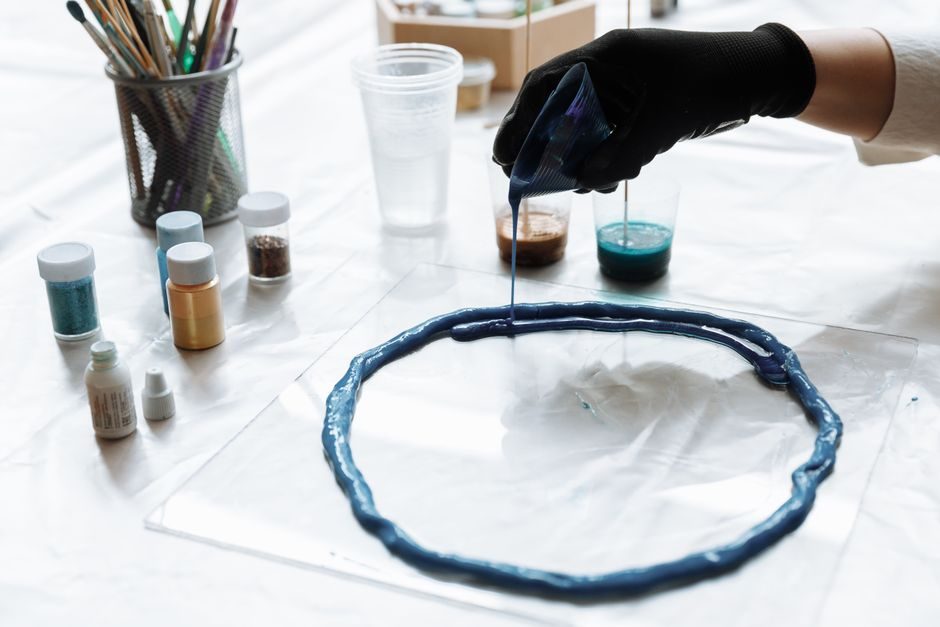
Made-in-China spot listings on 2026-05-16 put low-volume silicone vacuum-cast ABS/PC/PMMA/resin prototype molds in the US$0.10-1.00 per-piece band at 1-piece MOQ, with machined rapid-prototype silicone tooling from audited Diamond Members at US$5.00 per piece minimum [S3].
Industrial casting mold tooling for aluminum, zinc, or magnesium high-pressure die casting, lost-foam patterns, and large sand casting mold patterns sits in a different price tier — five-figure USD for engineered tooling — and is quoted on a per-cavity, life-cycle basis rather than piece price [S1][S2][S4].
Price Bands by Process Family
Three process families dominate 2026 sourcing and each carries its own cost grammar. Vacuum-cast silicone tooling for 20-50 piece prototype runs is the cheapest entry point: US$0.10-5.00 per piece MOQ listings on Made-in-China confirm the floor, and the same supplier pool also delivers ABS/PC/PMMA and resin molded parts at the same unit price band [S3].
High-pressure die casting molds for aluminum, zinc, and magnesium are mid-tier: tooling is amortized over 50,000-300,000 shot life targets depending on steel grade (H11, H13, SKD61) and cooling layout, and the per-piece part price drops sharply once the cavity count rises [S4].
Large iron and steel sand casting mold patterns and lost-foam tooling sit at the top of the stack. LS-mojv positions its foundry tooling around careful design, lean manufacture, and a service-driven quotation flow, with patterns routinely quoted as multi-thousand-US-dollar engineering items rather than commodity SKUs [S2].
Material, Steel and Life-Cycle Levers
Material selection is the single largest cost lever. P20 and 2738 pre-hardened tool steel dominate plastic-injection and zinc die casting molds because they machine fast and ship in 30-45 days; H13 and SKD61 are the standard upgrades once shot counts push past 100,000 or surface temperature exceeds the 200 °C working envelope typical of aluminum high-pressure die casting [S4].
For sand casting mold patterns, matched phenolic resin boards, aluminum pattern plates, and cast iron master patterns are the three pricing tiers. LS-mojv and Portage Casting & Mold both publish pattern-engineering as a separate line item — pattern cost is decoupled from per-shot casting cost and amortized over the pattern life [S1][S2].
Vacuum-cast silicone tooling is its own material class: room-temperature-cure RTV silicone on a master pattern, typically limited to 20-50 pulls before tear, which is why it is sold at US$0.10-5.00 per piece rather than as a long-life asset [S3].
Cavity Count, Tolerance and Surface Finish
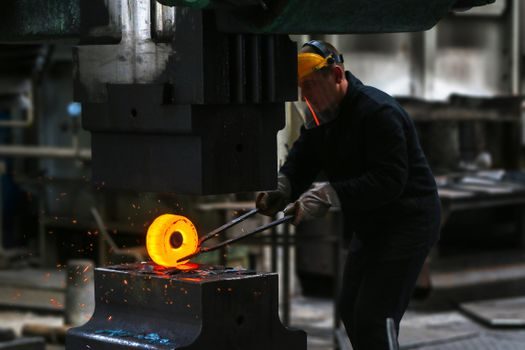
Cavity count, dimensional tolerance, and surface finish grade compound on top of steel selection. A single-cavity H13 die casting mold for an aluminum housing is a baseline project; adding a second cavity does not double the tooling cost — industry practice is roughly 1.4× to 1.7× — because the frame, cooling, and ejection system are shared, and a four-cavity version typically lands in the 2× to 3× cost band versus single-cavity [S4].
Tolerance below ±0.05 mm on critical dimensions, polished SPI-A1 or mirror-grade surfaces, and slide-action or lift-core mechanisms each add measurable cost and lead time. HHWMold lists die casting mold, cutting mold, and mold trial/small-batch production as three separate work packages, signaling that tryout and sampling are billed independently from tool build [S4].
Casting ladle handling, shot sleeve selection, and gating design are typically included in the OEM tool build at HHWMold and Portage Casting & Mold, but listed as engineering deliverables, not commodity line items, so a buyer comparing two quotes must normalize for whether tryout, sampling, and pattern changes are inside or outside the headline price [S1][S4].
Who Buys What: Fit by Application
Prototype engineers and small-series product teams (under 500 pieces, sub-1-year horizon) should default to Chinese vacuum-cast silicone tooling at US$0.10-5.00 per piece MOQ [S3].
Mid-volume aluminum/zinc/magnesium die casting buyers (10,000-300,000 shot programs) need engineered H13/SKD61 tooling from suppliers running tryout cells in-house, where HHWMold-style integrated tryout and small-batch production removes a separate sampling vendor [S4].
Heavy-industry buyers — pumps, valves, mining, and rail castings — belong in the engineered sand-casting pattern space served by Portage Casting & Mold and LS-mojv, where mold base construction, pattern life, and pattern change logistics dominate the total cost of ownership [S1][S2].
Comparing the Main Options
Side-by-side on four decision criteria — unit cost, lead time, life cycle, and tolerance — the three families line up predictably: [S1]
Silicone vacuum-cast tooling: lowest unit cost (US$0.10-5.00/piece MOQ), fastest lead time (5-10 days), shortest life (20-50 pulls), loosest tolerance (typically ±0.2 mm on features) [S3].
High-pressure die casting tooling (H13/SKD61): mid-to-high unit cost, 30-60 day lead time for single-cavity, 100,000+ shot life, ±0.05 mm achievable on critical features [S4].
Sand casting and lost-foam patterns: highest unit cost and longest lead time, multi-year pattern life on phenolic or cast iron, tolerance controlled by pattern grade and core print accuracy [S1][S2].
Sourcing Map: China vs North American Tool Shops
The 2026 sourcing map is split: Chinese suppliers (LS-mojv, HHWMold, Made-in-China Diamond Members) cluster on price-competitive engineered tooling, vacuum-cast prototypes, and high-pressure die casting molds for aluminum/zinc/magnesium, with online price transparency down to per-piece MOQ [S2][S3][S4].
North American shops such as Portage Casting & Mold position around full-service foundry tooling, thermoplastic processes, 3D production print, and on-site tryout — the value proposition is engineering bandwidth and lead-time reliability rather than headline price [S1].
For buyers running cross-border programs, a practical pattern is: prototype and short-run vacuum-cast tooling sourced from China at per-piece pricing, engineered die casting and sand pattern tooling split by total landed cost including tryout, sampling, and pattern change logistics. For deeper foundry-loop context, the side-by-side Casting Mold vs Sand Blasting Machine: 2026 Foundry Loop Spec Cut comparison lays out how mold and surface-prep equipment interact inside one cell.
Hidden Costs and Failure Modes
Three failure modes routinely inflate the headline price. First, pattern change and sampling are commonly quoted as a separate work package, so a "tool-only" quote that excludes tryout can underestimate the real program cost by 15-30% [S4].
Second, for sand casting patterns, the master pattern, the match plate, and the production flask are three different cost items, and a quote that lists only the master pattern is not comparable to a quote that includes the match plate and flask hardware [S1][S2].
Third, vacuum-cast silicone tooling is rate-limited to roughly 20-50 pulls per mold; programs that quietly extend past that envelope pay for re-masters and lose the unit-cost advantage — buyers should size the build to the validated pull count, not to a wish-list volume [S3].
Standards touch this space lightly: pattern equipment for matched-plate molding is typically engineered to ISO 9001 quality systems rather than to a single material standard, and surface-finish grading follows the Mold Steel (SPI) or comparable comparator scales. Buyers specifying cosmetic-class parts should pin the SPI finish grade on the drawing, not just call out "polished" [S4].
Two trackable signals to watch into H2 2026: published pattern-shop lead times from North American full-service suppliers (Portage Casting & Mold publishes a 3D production print workflow that compresses pattern lead time for short runs [S1]), and the spread between Chinese and North American engineered-tooling quotes for H13 die casting molds of comparable cavity count and tolerance class [S2][S4].