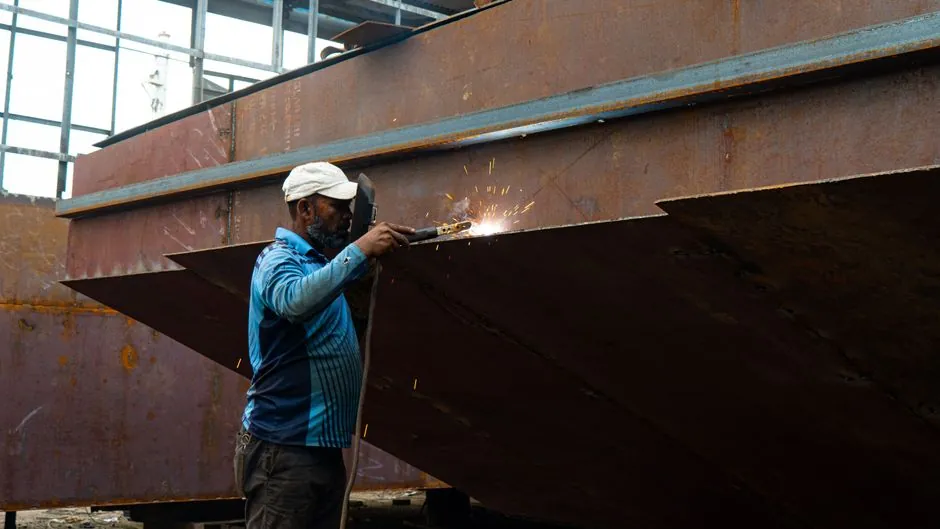
In shielded metal arc welding (SMAW) on steel, DCEP (DC electrode positive) is the polarity used for deep penetration, with current traveling from the base metal to the electrode [S3]. DCEN (DC electrode negative) shifts heat into the electrode, producing higher deposition rate but shallower fusion.
AC (alternating current, typically reversing at 50/60 Hz) splits the cycle 50/50 between DCEP-like and DCEN-like half-cycles, so it never matches pure DCEP penetration on steel. AC's penetration value is in specific niches: E6010/E6011 cellulosic rods, magnetized base metal, and aluminum TIG oxide cleaning [S2][S7].
DCEP vs DCEN vs AC: Polarity Penetration Comparison
Penetration in arc welding tracks where the heat concentrates, and heat follows electron flow. In DCEP, electrons stream from base metal to electrode, so roughly two-thirds of the arc energy lands in the workpiece, producing a deep, narrow finger of fusion [S3]. In DCEN the electrons bombard the electrode, so the electrode melts fast while the base metal sees a softer, shallower heat input and wider bead profile [S6].
AC alternates polarity at 50 or 60 Hz, so each half-cycle behaves like DCEP for a fraction of the time and DCEN for the rest. Net penetration on mild steel lands between DCEN and DCEP, never reaching DCEP depth on a like-for-like amperage. The asymmetry of the cycle, controlled by the "balance" or "EP/EN ratio" knob on modern AC machines, lets operators push penetration above the symmetric 50/50 baseline, but it still does not match full DCEP on steel [S1][S4].
AC's Real Penetration Niche: E6011 on Steel and Aluminum TIG
On stick welding with E6011 cellulosic electrodes, AC delivers the deep penetration this rod is famous for, because the cellulosic flux coating contains strong arc-stabilising compounds and the DCEP half-cycles drive heat into the plate [S2]. BindBig notes E6011 "performs well on AC, offering deep penetration and fast-freezing slag to reduce slag sagging" on vertical and overhead work [S2].
In TIG welding on aluminum and magnesium, AC is not optional, it is mandatory, because the electrode-positive (DCEP-like) half-cycle breaks up the refractory aluminum oxide layer (cathode cleaning), while the electrode-negative half-cycle delivers penetration into the base metal [S6][S7]. TIG welding secrets states: "DC TIG welding allows for deep penetration and precise control of the weld pool," while AC TIG adds oxide cleaning that no DC mode can replicate on aluminum [S7].
AC's Hard Limits on Penetration: Arc Blow, Spatter, and Field Conditions
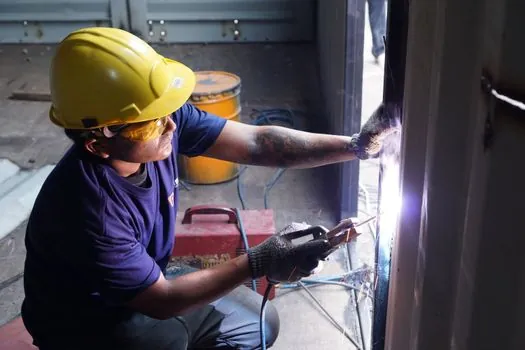
AC's main penetration penalty is not depth itself, it is instability. BindBig flags that "AC's alternating polarity causes arc instability, increased spatter, and inconsistent heat input" on out-of-position work [S2]. The arc wanders because there is no continuous cathode spot, which forces the welder to fight the puddle rather than drive it.
AC also remains the standard remedy for arc blow, the magnetic deflection that arcs into the side of the joint on long runs of DC-welded steel, and for welding magnetized base metal. ESAB and Vulcanus both list AC as the practical option when DC cannot hold a straight arc due to residual magnetism or ground-fault magnetic fields [S1][S8]. For a broader overview of the welding-current options, the arc welder equipment reference covers the duty-cycle, OCV, and current-type specs that drive these decisions.
When to Choose Each Current: A Decision Map
Step 1, match current to the dominant base metal. Carbon steel, stainless steel, and hardfacing alloys want DCEP for maximum penetration and the smoothest arc [S3][S8]. Aluminum and magnesium TIG must run AC to clear the oxide skin [S6][S7]. Thin sheet on any metal, where blow-through is the real risk, is the case where DCEN or low-amperage AC earns its slot, not because penetration is the goal but because the welder is actively throttling it down.
Step 2, match current to the electrode. E6010, E6011, E7018 are all designed around DCEP; E6011 also runs on AC with a small penetration penalty; E7024, E7014 (iron-powder, high-deposition) prefer DCEP or AC; E308L stainless sticks run on either polarity but give the cleanest arc on DCEP [S1][S2].
Step 3, match current to the job site. Field repair on dirty steel with no DC power still works on AC, and the loss of penetration is often a fair trade for the portability of a transformer buzz box [S4][S5]. Plant and shop work with stable mains should default to DCEP for productivity and penetration [S8]. For a related decision on welding-position setup, the DBA vs rebar stud selection guide walks through how the same penetration logic applies to welded stud sizing.
Standards, Safety, and Spec Discipline
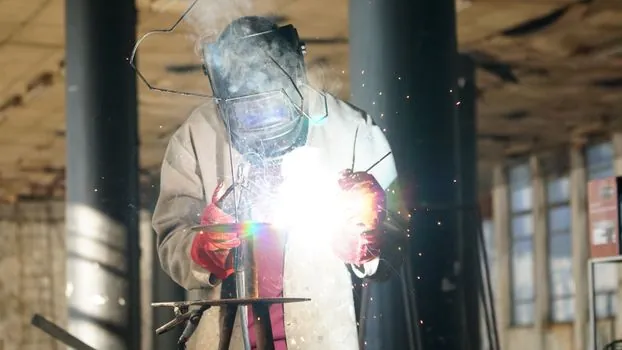
Welder qualification under ASME Section IX and ISO 9606-1 is polarity-locked: a procedure qualified on DCEP does not automatically cover AC, and vice versa, so the WPS (welding procedure specification) and pQR (procedure qualification record) must declare the current type and polarity range [S4]. ESAB reminds operators that "DC welding generally provides a smoother, more stable arc and is often preferred for most stick welding tasks" but that "AC welding can be beneficial" in magnetized-material scenarios [S8].
For deeper technical reference on the equipment side (transformer vs inverter, OCV, duty cycle, single-phase vs three-phase input), the welding and cutting tool reference and the eddy current tester reference both cover the inspection-side checks that catch under-penetration defects once the weld is down.
Trackable signal: AWS A5.1 filler-metal revisions routinely add cellulosic AC-capable rods to the spec, so a 2026-2027 addition of an E6011-X variant would extend AC deep-penetration options on higher-strength steels. Trackable signal: inverter welder penetration-control firmware now exposes AC balance as a programmable parameter, which lets AC approach DCEP penetration on aluminum by leaning the EP/EN ratio past 70/30 on certain Miller, Lincoln, and ESAB machines [S1][S8].