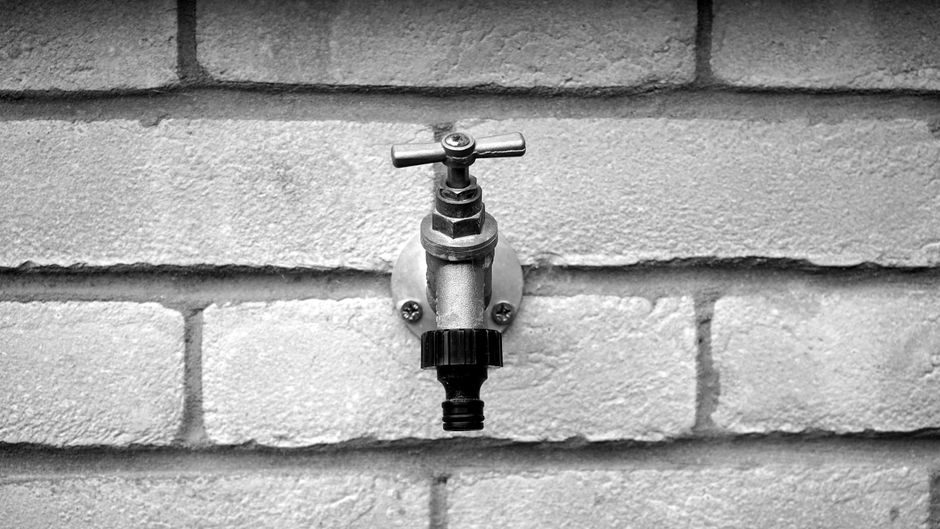
Architectural hardware covers hinges, levers, closers, locks, pulls and cabinet fittings in brass, stainless steel, aluminium and zinc — the user-facing ironmongery of a finished building [S2][S4]. PPR pipe is a polypropylene-random copolymer pressure pipe used for hot and cold potable water distribution inside the wall, rated for continuous service typically at 70°C with peak excursions near 95°C depending on SDR and PN class.
Comparing the two on a single procurement line is a category error: architectural hardware is a finishing-trade assembly with mechanical-cycle and corrosion-life targets, while PPR pipe is a pressure-rated conveyance system with hydrostatic-design-stress targets. The two only meet at a wall penetration or a service-shaft access door — never in the same SKU row of a BOM.
Definition and Scope: Ironmongery vs Pressure Pipework
Architectural hardware in the 2026 supplier catalogue is defined by function: door controls (hinges, closers, pivots), door furniture (levers, knobs, pulls), locking cylinders, and cabinet fittings. Hamilton Sinkler, Mardeco, Unity, Atlantic Handles and E-PAI Hardware all publish ranges under this umbrella, with material splits between solid brass, 304/316 stainless, zinc die-cast and aluminium [S2][S3][S4][S5]. Sourcing geographies for visible ironmongery span New Zealand (Mardeco), the UK (Atlantic Handles, Consort), China (E-PAI, Jako) and the US (AHDOK) [S1][S3][S4][S6].
PPR pipe is a thermoplastic pressure pipe made from polypropylene random copolymer (PP-R / PP-RCT) with socket-fusion or electrofusion joints. It is one of several plastic pipe families, sitting alongside PE and PVC-U. Operating envelopes are 0–95°C transient, 70°C continuous at 6–25 bar depending on PN 10/16/20 SDR and the PP-R vs PP-RCT grade; reference standards include ISO 15874 (PP-R), DIN 8077/8078 (legacy European sizing) and GB/T 18742 (China).
Selection Criteria: Aesthetics & Cycles vs Pressure & Temperature
Specifying architectural hardware runs on visible finish, mechanical cycle life, fire rating and corrosion environment. Unity Hardware publishes commercial, hospitality, residential and DIY ranges with finishes including satin, polished and PVD [S2]; E-PAI's 23-product stainless-steel pipe and 46-product pull-handle catalogue targets heavy commercial doors with ≥304-grade stainless. Hamilton Sinkler calls out the Massimo Vignelli line — a designer-coded suite — and positions the Liesl Suite as a coordinated lever/hinge/finish package [S5]. Cycle-life benchmarks in the visible-ironmongery segment are typically 200,000–1,000,000 cycles for Grade 1 commercial closers under ANSI/BHMA A156.4 — but those benchmark numbers come from the standard, not from any supplier in the research [S4].
Specifying PPR pipe runs on internal pressure, temperature profile, water-quality chemistry and joint method. PP-RCT (beta-PPR with crystallinity tuning) raises the allowable hoop stress by roughly 25–40% vs legacy PP-R at 70°C, which lets a specifier drop one SDR step and gain inside-bore area. Fittings are pipe fittings of the same resin family — socket-fusion coupling, elbow, tee, reducer, and threaded brass transition for valve/hybrid connection.
Who Each Is For — And Who It Is Not For
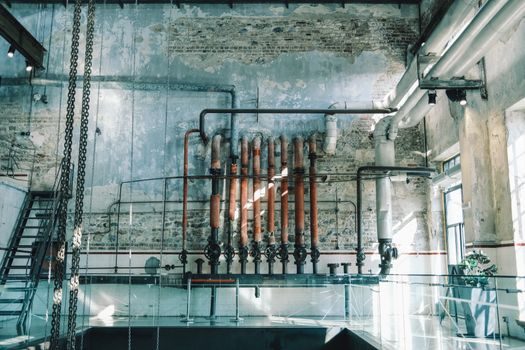
Architectural hardware is for the architect, interior designer, fit-out contractor and end-user touching the door — anyone who needs visible finish consistency, ADA-compliant lever geometry and a fire-rated assembly. It is NOT for the plumbing designer; a brass door lever will not convey water, and the metals in question (Cu, Zn, 304 SS) are not pressure-rated for hydrostatic service in a wall chase. [S1]
PPR pipe is for the mechanical/MEP engineer laying out a hot/cold riser in residential, hotel, hospital or school buildings. It is NOT for exposed exterior service where UV degrades unprotected polypropylene, not for high-rise fire-sprinkler risers (CPVC or steel typically), and not for aggressive chemical drainage (PP-H or PVDF is preferred). A pipe clamp supports the PPR run, but a door-closer arm does not — the support spacing and load model are entirely different.
Decision Comparison: Four Criteria Across Both Trades
Lining the two up against the same four criteria exposes the gap. (1) Material family: brass / 304-316 SS / zinc / aluminium for hardware; PP-R or PP-RCT copolymer for pipe. (2) Load model: cyclic mechanical (open/close) at 25–60 N operating force for hardware; static internal hoop stress at 6–25 bar for pipe. (3) Failure mode: finish wear, sag, cylinder wear, corrosion pitting for hardware; creep rupture, joint fusion failure, oxygen-permeation for pipe. (4) Reference standards: ANSI/BHMA A156 series and EN 1935/12209 for hardware; ISO 15874, DIN 8077/8078, GB/T 18742 for PPR pipe. No row overlaps. The two products share a building but a buyer who treats them as comparable will mis-spec either one. [S2]
Real Use Cases From 2026 Catalogue Activity

E-PAI Hardware, a Chinese stainless-steel architectural-hardware manufacturer operating since 1997, lists 23 stainless-steel pipe SKUs and 46 door-pull SKUs as a single product family — a useful reminder that "pipe" in the ironmongery catalogue means a structural grab-rail tube, not a pressure conduit. Consort Architectural, a Dubai-based global supplier, positions itself as a commercial specification house delivering certified products with specifier support across the Middle East. Atlantic Handles curates British heritage-styled cabinet hardware (Forme, Olimpia, Satin finishes) — a finish-led residential SKU set [S3]. On the PPR side, the comparable 2026 activity is resin price band moves, with resin spot indices visible in our PPR/PE pricing reference, not in the architectural-ironmongery feed. PE pipe crossover guidance is covered in our PE pipe selection reference for spec engineers who also touch domestic water service.
Limitations, Constraints and Failure Modes
Architectural hardware failure modes are corrosion-driven (especially 304 SS in coastal chlorides), finish wear on PVD, and closer-spring fatigue past 1M cycles. Mitigation is material upgrade (316 SS, solid brass) and BHMA Grade 1 spec. Constraints: fire-rated assemblies must use listed intumescent gaskets and listed latches; non-listed substitutions void the door rating. Consort flags the certification step explicitly in its commercial-door offering. [S3]
PPR pipe failure modes are creep rupture at sustained high temperature, joint-fusion cold-flap from underheated sockets, and UV embrittlement on exposed runs. Mitigation is correct SDR/PN selection (PP-RCT class for 70°C continuous), calibrated fusion-tool temperature (~260°C), and opaque UV-protected outer jacket or full conduit on exterior runs. Oxygen-permeation ingress in heating circuits is stopped with an EVOH barrier layer — a different plastic pipe sub-spec entirely.
Sourcing, Standards and Where to Cross-Check
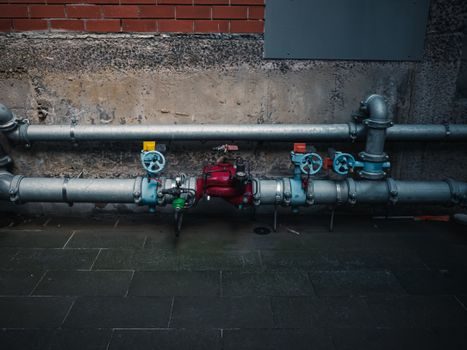
Architectural hardware sourcing as of July 2026 splits between regional distributors (AHDOK in Oklahoma City) [S1], UK specification brands (Atlantic Handles, Consort) [S3], Chinese OEM-export houses (E-PAI, Jako, Unity) [S2][S6], and design-led US manufacturers (Hamilton Sinkler) [S5]. For deeper spec-first guidance on openers, closers and ironmongery selection, see our architectural hardware 2026 buying guide. PPR pipe sourcing is dominated by Chinese and Turkish resin converters feeding regional distributors; the resin-band dynamic is tracked separately in the PPR/PE resin pricing guide.
Trackable signals for the next quarter: (1) Whether E-PAI and Jako add a fire-rated closer SKU to their 2026 H2 catalogue — both currently list pull handles and stainless pipe, not closers [S6]; (2) Whether PP-RCT fittings break into the US residential market at PN 20 SDR 7.4 dimensions, displacing legacy PP-R PN 20 SDR 6 stockists; (3) BHMA/UL 10C fire-door listing refreshes from Consort and Unity that would lock the 2026 commercial-door spec window [S2].