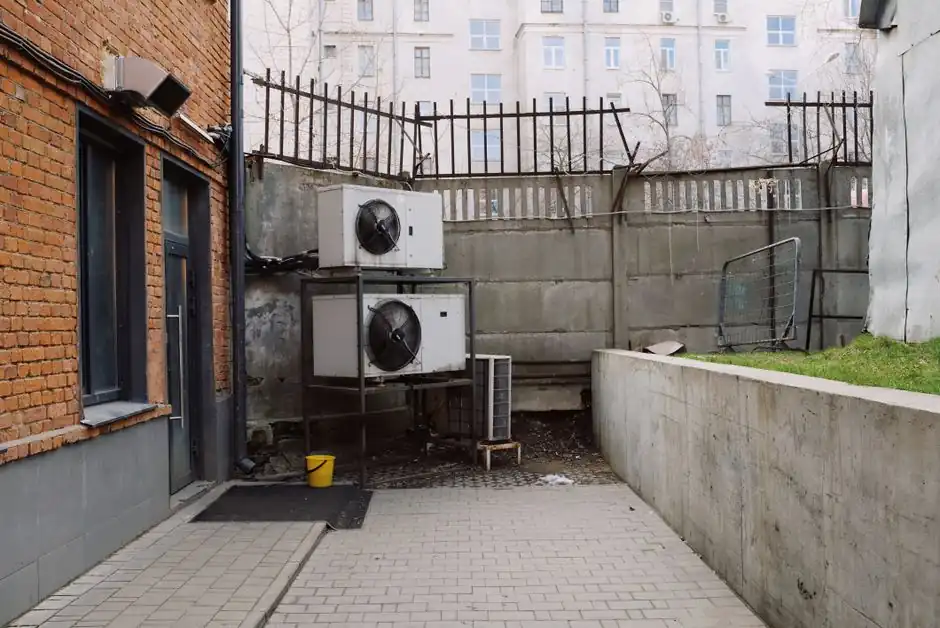
An HVAC system that starts cool on day one but under-sizes or over-sizes the load is the most common reason new residential builds feel uneven by month three; the fix is an Automatic Level (Manual J) load calculation before equipment is ordered [S5].
For 2026 new-construction HVAC, the four system classes in play are forced-air central, heat pump, ductless mini-split, and hybrid dual-fuel, each matched against climate, square footage, duct access, and zoning targets, with sizing expressed in British Thermal Units (BTU) derived from Manual J inputs [S3][S4].
Definition and Scope: What "Automatic Level" Means in HVAC Sizing
"Level" in HVAC selection refers to the thermal load line the system must hold steady, calculated as the heat-gain and heat-loss sum across the building envelope, then matched to equipment BTU capacity, airflow (CFM), and duct static pressure [S5]. The calculation is automated only in the sense that software runs the heat-gain math across rooms, orientations, and insulation values; the engineer still inputs envelope data and accepts the result.
Manual J covers sensible and latent loads, while Manual D sizes the duct network to deliver the calculated CFM within an acceptable static-pressure rise, typically 0.1-0.2 inches water column for residential systems [S5]. Together they define the automatic level the system is built to maintain, independent of outdoor temperature swings.
Selection Criteria: Inputs That Drive the BTU Number
Five envelope inputs drive the BTU number: square footage, ceiling height, window placement and glazing U-value, insulation R-value, and building orientation relative to solar gain [S4][S5].
At 5,280 ft elevation (Denver, CO), the cooling load calculation must include a derating factor because air is approximately 15% less dense than at sea level, which reduces heat transfer through coils and ducts; an undersized furnace in that climate will run continuously and still fail to reach setpoint on cold nights [S1]. High-altitude combustion appliances require derating per manufacturer altitude kits, with gas orifice changes and supply-air adjustments specified in the OEM installation manual.
Setpoint discipline matters at the automatic level itself: a winter occupied setpoint of 68°F with a 62-65°F overnight setback is the common Denver prescription, and a summer cooling band of 75-78°F is the corresponding cooling envelope [S1]. Picking the wrong setpoint band before sizing biases the entire BTU target.
Comparison of the Four Main System Types on 4 Decision Criteria
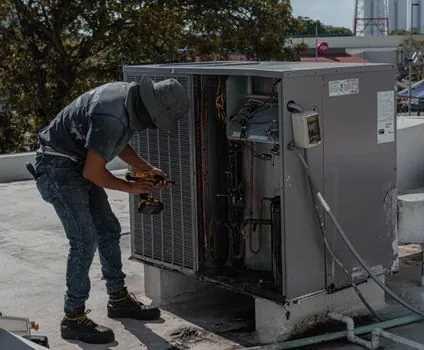
Forced-air central systems score high on whole-house coverage and zoning integration but lose efficiency through duct losses, typically 20-30% of conditioned air in unconditioned attics [S3][S4]. Heat pumps are 2 to 4 times more efficient than electric resistance or oil furnaces for heating, with variable-speed compressors delivering measurable comfort stability, but they lose capacity as outdoor temperature drops and need supplemental heat below the balance point [S3]. Ductless mini-splits eliminate duct losses and provide room-by-room zoning, making them the strongest option for retrofits or open-plan new builds without attic duct runs, but per-ton equipment cost is higher [S3][S4]. Hybrid dual-fuel systems switch automatically between heat pump and gas furnace based on outdoor temperature, capturing heat-pump efficiency in mild weather and gas capacity during cold snaps [S3].
The selection rule of thumb: pair heat-pump-only with climates where winter design temps stay above the equipment's rated balance point (often 25-35°F for air-source units), pair hybrid where winter design drops below it, and pair forced-air central where duct runs are short and insulation values are high enough that duct loss is acceptable.
Who This Is For, and Who It Is Not For
Manual J-driven automatic level selection is for new-construction projects and full-system replacements where the building envelope is already locked and the duct routing can be planned before framing closes, because once drywall goes up, duct correction costs 3-5x what pre-rough-in planning would have cost [S3][S5]. It is not the right tool for emergency furnace swaps where the existing duct network and envelope are fixed; in that case, a matched-capacity replacement with verification of existing airflow is the practical path.
Property owners with severe temperature shifts should select advanced efficiency features at the automatic level rather than oversizing equipment to compensate, because oversizing causes short-cycling, poor dehumidification, and temperature swings rather than comfort gains [S4]. For commercial or large multifamily projects, the same Manual J discipline applies, but airflow and static-pressure verification move to a formal test-and-balance report before occupancy [S2][S5].
Real Use Cases: Post-Install Verification, Altitude Derating, and Code Compliance
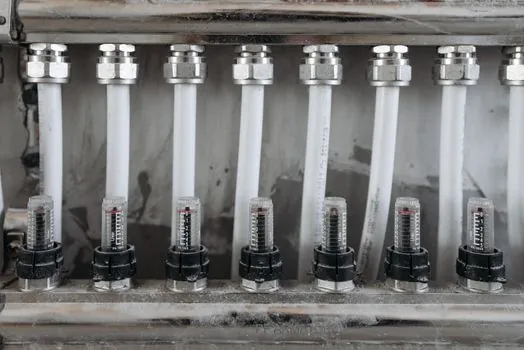
The first 30 days after HVAC installation are a verification window, not a comfort-tuning window: the contractor should run a startup checklist that confirms refrigerant charge, airflow CFM at each register, total external static pressure, thermostat calibration, and safety controls, and the homeowner should retain that documentation for warranty [S2]. An undersized unit runs continuously and never reaches setpoint, a classic symptom of skipping Manual J; an oversized unit short-cycles, leaves indoor humidity above 55% RH, and produces visible temperature swings [S4].
In Colorado, code compliance is shifting: per HB23-1161, replacement furnaces installed on or after January 1, 2026 must meet the state's Ultra-Low NOx standard or carry ENERGY STAR certification, which affects gas-furnace selection for any automatic-level retrofit in that jurisdiction [S1]. For new construction, integrating ductwork, smart-thermostat wiring, and fresh-air ventilation during framing avoids the cost and air-leakage penalties of post-drywall rework [S3].
Limitations, Failure Modes, and When to Walk Away
The single biggest failure mode for an automatic-level selection is the skipped or shortcut load calculation, which leads to oversizing "to be safe" and the comfort and humidity penalties that follow, including frozen evaporator coils from short cycling and elevated indoor RH above 60% in cooling mode [S4][S5]. The second is ignoring altitude and climate derating, especially at sites above 3,000 ft, where combustion and heat-transfer performance drop measurably [S1].
Replace, do not repair, when a furnace shows yellow or erratic flames, visible heat-exchanger corrosion, rising energy bills combined with cold spots, or pilot/ignition faults, because those symptoms correlate with carbon-monoxide risk, especially at altitude where venting performance is degraded [S1]. Escalate to a licensed test-and-balance contractor if post-install airflow at any register deviates more than 20% from design CFM, because that gap will not close itself through thermostat tinkering [S2].
Sourcing, Standards, and What to Ask the Contractor
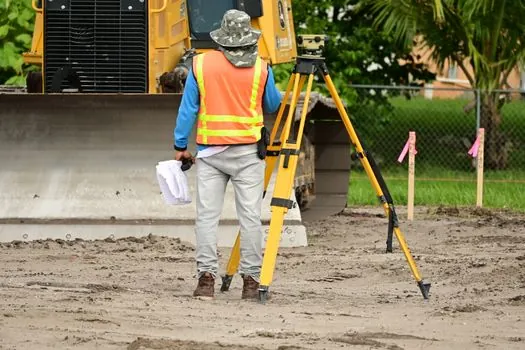
Three documents should be in the project file before equipment is ordered: the Manual J load calculation, the Manual D duct design, and an equipment selection that matches the calculated BTU and CFM targets, with model numbers and AHRI match noted [S5]. Air-source heat pumps in 2026 should reference current AHRI directory matchups and manufacturer balance-point ratings; gas furnaces should reference DOE AFUE ratings and, where applicable, ENERGY STAR certification for Ultra-Low NOx jurisdictions [S1][S3].
Ask the contractor for: the BTU output of the proposed equipment at design outdoor temperature (not just the nominal tonnage), the total external static pressure the system will operate at, the measured CFM per room after startup, and the warranty filing confirmation that depends on the startup report [S2][S5]. For project planning beyond the residential scope, a warehouse automation wrapping spec map shows how a similar load-calc-first discipline applies to other equipment classes, and a concrete placement level spec map demonstrates the same envelope-then-equipment logic in a different trade. Track Colorado HB23-1161 enforcement guidance and AHRI heat-pump balance-point rating updates as the next two data points that will reshape 2026-2027 residential HVAC selection.
Detailed specification references: automatic level, automatic molding line, and infrared level.