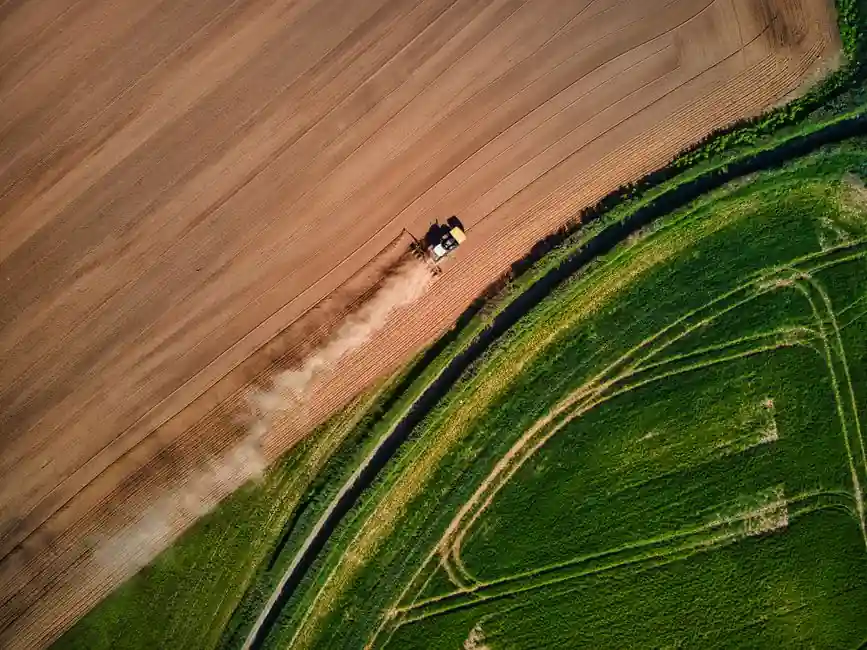
For agricultural machinery housings, counterweights, and bracket castings, the practical decision sits between a Z1410-series jolt-squeeze machine on the low end and a multi-piston or static-pressure automatic molding line on the high end, with 50–120 molds per hour and 85–90 B-scale mold hardness being the two thresholds that force the choice [S2].
Plastic injection molding handles most thin-wall agricultural parts (housings, panels, crates, fluid fittings) using nylon, PP, HDPE, acetal, and glass- or mineral-filled variants on press tonnages from 165 to 9,000 with part sizes up to 200 lbs [S1][S3]. Sand-molded iron and steel castings still cover the structural backbone: gear cases, axle supports, hitch blocks, soil-engaging parts, and counterweights where impact and abrasion dominate [S2].
When the cast iron route still wins over plastic
Agricultural components routinely see impact, mechanical stress, moisture, dust, UV, fertilizer splash, repeated cleaning, and direct contact with feed or livestock, and the subset of parts that must transmit torque, take a stone strike, or work as a wear surface still belongs in cast iron or steel [S1]. For those parts, the first selection filter is casting size and complexity, not tonnage or automation level [S2]. Small, high-volume, simple castings such as small agricultural machinery components are a clean fit for a Z1410-series jolt-squeeze molding machine, whose high-frequency low-amplitude vibration plus squeezing densely packs the sand and fills gaps effectively [S2].
Medium-to-large castings with high surface-finish requirements, including engine blocks, valves, gearbox housings, and large bracketry, need a multi-piston (multi-touch) molding machine or an air-flow static-pressure molding line, in which dozens of individual hydraulic heads press down independently and auto-adjust pressure to sand-layer thickness so mold hardness averages 85–90 on the B-scale even on vertical walls [S2]. The decision rule from the June 2026 Juneng selection guide is straightforward: profile the casting first, then pick the machine class, do not let the catalogue pick it for you [S2].
Match the line to hourly tempo, not to a nameplate
The second hard filter is hourly output. A steady rate of several dozen molds per hour is met by a standard jolt-squeeze or simple squeeze machine and fits small-to-medium batch sizes typical of a farm-equipment job shop [S2]. Above that, the 50–120 molds per hour band pulls the spec toward a multi-piston automatic molding line or a top-and-bottom shoot-squeeze dual-station fully automatic machine that uses air pressure to shoot and pre-compact the sand before the final squeeze, which is both efficient and highly automated [S2].
For a flaskless top-and-bottom shoot-squeeze unit such as the Z5161, published reference data puts the price band at 50,000 to 75,000 USD, installed power near 15 kW, machine mass around 11.5 tonnes, and cycle output well into the high-tempo range, which is why these units show up in counterweight and park-bench foundries but are equally applicable to small standardized agricultural castings [S2]. Above this, the static-pressure molding machine and the full automatic molding line class take over for foundries that need unmanned, PLC-controlled cells with motion interlocks, built-in fault diagnostics, and remote monitoring.
Flask versus flaskless: layout drives the call
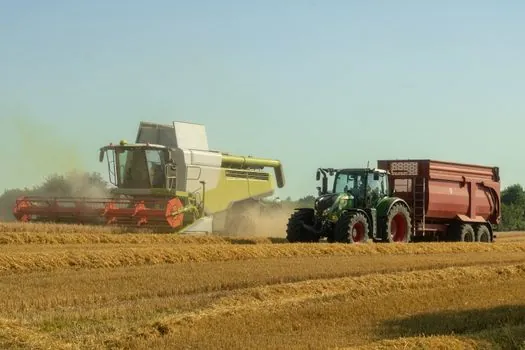
The flask versus flaskless fork has nothing to do with part quality and everything to do with workshop layout, tooling, and casting size distribution. Flask molding travels with the mold, stays versatile across small and large castings, and keeps mold changes flexible; multi-piston automatic lines are typically flask-type and fit the broad agricultural mix of gear-case, bracket, and housing sizes [S2].
Flaskless (boxless) molding strips and recirculates the flask, suits extremely high-volume castings that are not huge, makes the upper and lower mold in one machine, and completes molding plus closing in a single cycle, which is exactly the pattern used for standard counterweights and small repetitive parts in agricultural aftermarket channels [S2]. If your product mix is dominated by a single family of small castings in tens of thousands per month, flaskless pays back the tooling change; if you are running a mixed order book for tractor and implement OEMs, stay on flasks to preserve changeover speed [S2].
Compaction uniformity, not peak pressure, decides casting quality
The non-negotiable detail inside any agricultural-machinery molding cell is compaction and hardness uniformity, because low or uneven mold hardness shows up immediately as casting swell and excessive flash on iron and steel parts [S2]. Multi-piston internal-force compaction is currently the most reliable route, since during pressing the frame carries no reactive force, all force goes into the sand, and the result is uniform hardness and precision across the pattern [S2].
For any modern line, automation baseline expectations are PLC control, motion interlock protections, built-in fault diagnostics, and remote monitoring, so a new operator can run the cell without learning the hydraulic schematic [S2]. Where the casting mix is dominated by sand-molded iron parts that feed into the same agricultural-assembly stream as injection-molded housings and fluid components, the molding cell should be specified on the same PLC platform as the plastics press for unified maintenance training.
Comparison: line classes for agricultural castings on four decision criteria
The four criteria that matter for farm-machinery castings are hourly tempo, pattern-height tolerance, hardness uniformity, and capital footprint. A Z1410-series jolt-squeeze machine delivers dozens of molds per hour, tolerates only simple-to-moderate patterns, gives uneven hardness on tall vertical features, and sits at the low end of capital cost; it is the right answer for small hardware and simple bracketry [S2]. A multi-piston automatic molding line hits 50–120 molds per hour, handles big height differences through independent hydraulic heads, sustains 85–90 B-scale hardness across the pattern, and is the right answer for engine blocks, gearbox housings, and large brackets [S2]. A static-pressure line pushes the same tempo band with even better surface finish and dimensional accuracy at higher capital cost, while a flaskless Z5161-class shoot-squeeze unit concentrates on extremely high volume of small castings at a reference 50,000–75,000 USD and 15 kW with about 11.5 tonnes installed mass [S2].
Material pairing for the agricultural operating envelope
On the plastics side, the same foundries that run iron castings also run injection-molded housings, structural panels, and containers in nylon, PP, HDPE, and acetal, with glass-filled, mineral-filled, and carbon-filled variants where stiffness or wear resistance must be lifted [S1][S3]. Press fleet tonnages from 165 to 9,000 with part sizes up to 200 lbs, plus 2-shot, gas-assist, structural-foam, and overmolding capabilities, cover the full range of agricultural housings, guards, and fluid-system parts [S3].
For parts that see field impact, weather, fertilizer, and repeated wash-down, the material lab inputs are impact resistance, UV exposure, and long-term field performance, and recycled or alternative feedstocks (UBQ, hemp-based plastics, post-consumer regrind, field-sourced material from recycled carts) are admissible where durability and consistency still hold [S1][S3]. The same logic is applied inside sand-mixer selection for energy equipment, where binder chemistry and rotor geometry have to match the casting alloy, and a similar discipline applies to tank cleaning machines for agriculture, where nozzle type must match the residue being removed on farm equipment.
Who this configuration is for, and who it is not for
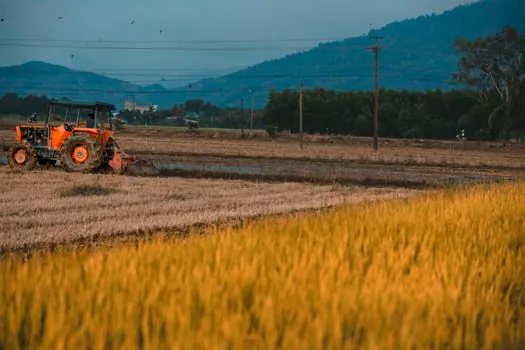
An automatic molding line is for a foundry that has a stable, repeatable agricultural casting mix, a single-shift or two-shift output target in the 50–120 molds per hour band, and a pattern library with measurable height differences that punish a single-pressure jolt-squeeze [S2]. It is not for a job shop with a 200-SKU pattern book, a 20-mold-per-day baseline, and frequent one-off prototype runs; that shop should stay on the Z1410-class jolt-squeeze until order volume and pattern mix both shift [S2].
For OEMs that run both iron castings and injection-molded plastic components under one roof, the right answer is a hybrid plant: a multi-piston or static-pressure line for the structural castings, plus an injection-molding press fleet covering 165 to 9,000 tonnes for housings, panels, and fluid parts, with material selection driven by impact, UV, and chemical resistance rather than by resin price [S1][S3].
Trackable signals for the next buying cycle: any new 9,000-tonne-class agricultural press installation, any Z1410 retrofit to multi-piston compaction, and any published change in agricultural-machinery OEM casting sourcing from low-volume regional foundries into high-tempo centralized lines, all of which move the spec map for automatic molding line purchasing.