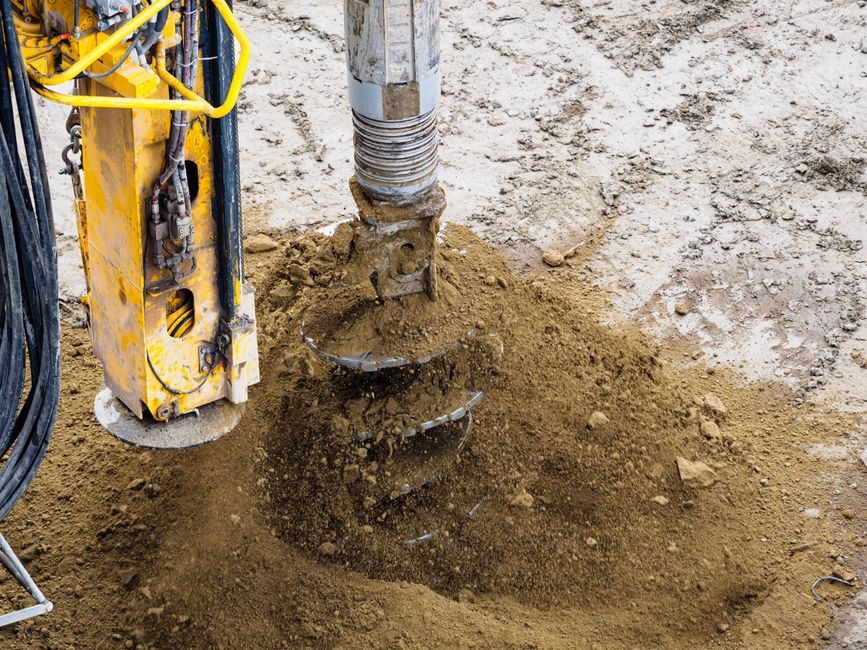
An impact drill specified for automotive service in 2026 is a 1/2 in chuck cordless brushless unit with a hammer-drill mode, 1,000+ in-lb (113+ Nm) of max fastening torque, and a 4-speed gearbox, paired with an impact-grade 1/4, 3/8, 1/2 in socket adapter set so the same body handles hole-drilling, self-tapping screws, and lug-grade nut running [S1][S3].
Automotive impact-drill work in 2026 is dominated by 18 V and 20 V max Li-ion cordless platforms, with pneumatic 1/2 in reversible keyless air drills still the shop-floor standard for high-cycle disassembly [S1][S2]. The Amazon 2026-06-11 best-sellers list leads with the LEXIVON LX-101 3-piece impact-grade socket adapter set (1/4, 3/8, 1/2 in drive), confirming the adapter approach is the de-facto bridge between a power drill and a high-torque impact wrench for automotive owners [S3].
Spec Range That Actually Matters for an Automotive Impact Drill
A current automotive impact drill should be specced at 0-3,600 rpm no-load top speed, 50-75 Nm (36.88-55.32 ft-lb) hard/soft torque, 18 V platform, 13 mm (0.51 in) steel and 70 mm (2.76 in) wood drilling diameter, and a four-speed gearbox with impact mode engaged on gears 3-4 [S1]. Festool's TPC 18/4 I-Basic, listed on DirectIndustry 2026-06-03, anchors those numbers: 3,600 rpm, 50/75 Nm two-stage torque, 18 V, 13 mm / 70 mm drilling, four-speed [S1].
Chuck and shank decisions drive the rest of the build: 1/2 in keyless metal chuck for 13 mm bits and socket adapters; 1/4 in hex quick-change for impact-rated driver bits; 3/8 in and 1/2 in drive through an impact-grade socket adapter set when high-torque nut running is needed [S3]. For shop-floor air tools, the 1/2 in reversible keyless air drill remains the OEM/ODM baseline, with MOQs as low as 300 sets at negotiable FOB on Made-in-China supplier listings [S2].
Who an Impact Drill Is For in an Auto Shop
An impact drill is the right tool for a one-person mobile mechanic, a small independent garage, and a tire/body shop doing mixed drilling plus light-to-medium socket work, because one body covers sheet-metal pilot holes, self-tapping screw installation, and lug-nut running via a 3-piece adapter [S3]. For high-cycle undercarriage work (suspension, driveline, frame bolts) the dedicated 1/2 in pneumatic or cordless air impact wrench still wins on cycle time and joint-loading control.
An impact drill is NOT the right primary tool for production engine teardown, fleet truck lug work above 3/4 in, or any job where sustained >1,500 in-lb breakaway is required; in those cases the spec is an impact wrench, not an impact drill. Battery + adapter + drill also weighs more per fastener than a bare 1/2 in impact wrench, so ergonomics tip against the drill for all-day undercarriage work.
Selection Criteria: Cordless vs Pneumatic vs Impact Wrench
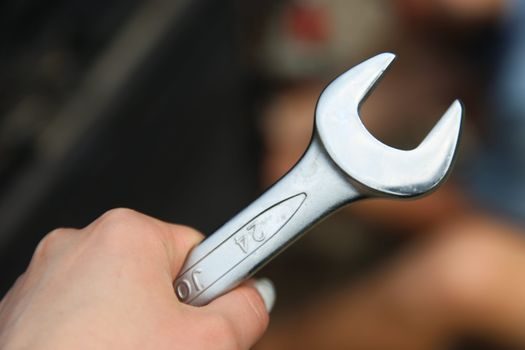
Decision criterion 1 - power source: cordless Li-ion for portability and one-operator use, 18 V and 20 V max being the two mainstream platforms in 2026 [S1]; 1/2 in reversible keyless pneumatic drills for bench-side and high-cycle shop use, with sample MOQs starting at 300 sets from OEM/ODM suppliers [S2]. Decision criterion 2 - torque envelope: 50-75 Nm (36.88-55.32 ft-lb) covers 80%+ of automotive drilling and most M10-M12 fastener driving; above that, step up to a dedicated 1/2 in impact wrench [S1][S3].
Decision criterion 3 - mode count: a 4-speed gearbox with impact mode is now the floor for automotive use, because gears 1-2 cover driving, gear 3 covers drilling, and gear 4 + impact covers masonry pilot holes and self-tappers in thicker sheet [S1]. Decision criterion 4 - chuck and adapter stack: 13 mm keyless chuck + 1/4 in hex insert + impact-grade 3-piece socket adapter set (1/4, 3/8, 1/2 in) is the minimum-viable kit, matching the LX-101 pattern on the Amazon 2026-06-11 best-sellers list [S3]. Buyers who pick the 4-speed 18 V/20 V max cordless with a 3-piece impact-grade adapter set cover drilling, driving, and lug-grade socket work from a single battery platform; those who pick a pneumatic 1/2 in reversible keyless drill cover shop cycle time at the lowest unit cost; those who need sustained high-torque nut running should budget a separate 1/2 in cordless or pneumatic impact wrench.
Standards and Sourcing Reality for 2026 Buyers
Buyers sourcing 1/2 in pneumatic impact drills from China in mid-2026 should treat the Made-in-China OEM/ODM listing as a sourcing index, not a certification: minimum order quantities of 300-3,000 sets and per-unit US$1-2 FOB ranges describe the production baseline, while CE/RoHS and factory audit status are confirmed per-supplier, not per-category [S2]. For cordless platforms, 18 V and 20 V max are nominal voltages; usable pack capacity in 2026 is 4.0-6.0 Ah for shop work, with 8.0+ Ah packs reserved for framing-class tools.
Amazon 2026-06-11 best-sellers in Automotive Tools & Equipment rank impact-grade socket adapter sets, jump starters, and emergency tire-repair kits at the top, which signals that the retail automotive owner in 2026 buys an adapter set as a separate line item rather than a dedicated 1/2 in impact wrench - this is the spec that drives the "impact drill + adapter" build described above [S3]. The Festool TPC 18/4 I-Basic is a 2026-06-03 DirectIndustry listing of a 4-speed 18 V cordless drill/driver with 50/75 Nm torque and 3,600 rpm top speed, useful as a high-end reference point for the cordless segment [S1].
Use Cases That Lock In the Build
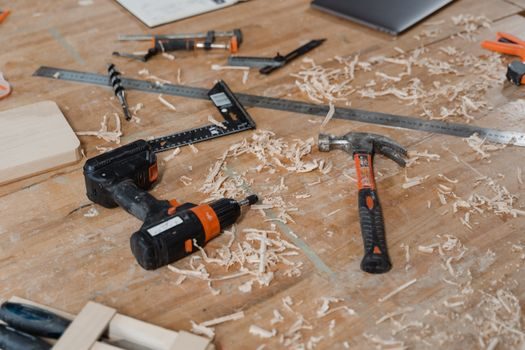
Use case 1 - mobile mechanic: one 18 V 4-speed cordless impact drill with hammer mode, one 4.0-6.0 Ah battery, one 1/4 in hex impact bit set, and one 3-piece 1/4, 3/8, 1/2 in impact-grade socket adapter set covers brake pad swaps, interior trim, and pilot-hole drilling on the same platform. Use case 2 - small garage: pair the cordless drill with a 1/2 in reversible keyless pneumatic drill at the bench for high-cycle fastener removal, sourced as a 300+ set OEM/ODM order with sample-available terms [S2].
Use case 3 - tire and body shop: cordless 1/2 in drill for body-panel pilot holes, pneumatic 1/2 in reversible keyless drill for tire and suspension cycle work, and a separate 1/2 in cordless impact wrench for lugs above 100 ft-lb [S2][S3]. The 3-piece 1/4, 3/8, 1/2 in impact-grade socket adapter set sits in every kit because it is what makes the drill body do the work of an impact wrench up to about 100 ft-lb, beyond which the drill stalls or the user downshifts [S3].
Limitations and Failure Modes Buyers Hit in 2026
Failure mode 1 - stalling on lug nuts: a 50-75 Nm drill stalls above roughly 75 ft-lb of sustained torque, so the 3-piece adapter approach breaks down for truck-class lugs; that is when the build needs a dedicated 1/2 in cordless or pneumatic air impact wrench [S1][S3]. Failure mode 2 - chuck spin-out under impact: a non-impact-rated chuck or a standard (non-impact) socket adapter will walk off the drill under repeated hammer pulses, so the 2026 spec floor is impact-rated chucks and impact-grade Cr-Mo socket adapters, as the LX-101 set delivers [S3].
Failure mode 3 - battery sag under load: a 2.0 Ah pack sags below working voltage on sustained gear-4 + impact use, so the 2026 minimum is a 4.0 Ah pack for any single-operator automotive workflow. Failure mode 4 - pneumatic vs cordless cost crossover: at sustained high-cycle shop use the 1/2 in reversible keyless pneumatic drill at US$1-2 per unit FOB is roughly 1/10 the per-cycle cost of a premium cordless, but the cordless wins on portability and one-operator use [S1][S2].
Trackable signals for the rest of 2026: the Amazon Automotive Tools best-sellers list refreshes daily, so the position of impact-grade socket adapter sets and 1/2 in cordless impact drills on the 2026-07 list will be the leading indicator of the retail owner's "drill + adapter" pattern continuing versus a swing to dedicated impact wrenches [S3]. For pro sourcing, watch the 1/2 in pneumatic OEM/ODM MOQ band - if the 300-set MOQ floor softens to 100 sets on Made-in-China listings, the small-garage entry cost for pneumatic has dropped materially [S2]. For background on chuck and gearbox standards behind these drills, the impact drill encyclopedia entry covers the four-speed and hammer-mode definitions used above [S1].
For component-level specifications, see pressure transmitter.
For related coverage, see Linear Module vs Linear Guide: 2026 Spec Cut for Motion Buyers.
