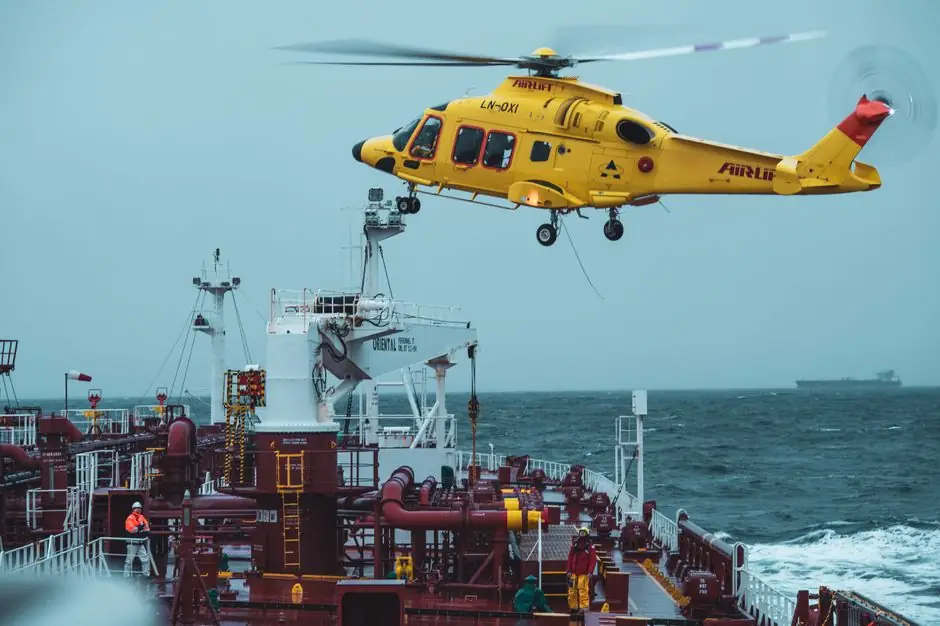
Offshore wind cable-laying vessel bookings can require three to four years of lead time because cable orders determine when installation and commissioning personnel must be available offshore [S6].
The exact number and types of vessels needed for an offshore wind project depend on project size, distance from shore, environmental conditions, and other factors [S5].
What Determines the Booking Window
Cable installation is not an isolated marine operation. The cable order establishes the delivery sequence, and a delayed or rescheduled cable slot moves the associated installation and commissioning window [S6].
The vessel spread is also shaped by project scale and location. Offshore wind construction can require more than 25 vessel types across surveying, cable lay, component transfer, turbine installation, development, construction, decommissioning, and operations and maintenance [S5]. A typical project-specific estimate for an 800 MW installation in the cited United States market used one export cable-laying vessel during construction, although actual vessel numbers vary with project size, distance from shore, environmental conditions, and installation method [S5].
Choosing a Cable-Laying Vessel
Export-cable vessels normally require a larger cable carousel and may need a shallow draft for installation near the shoreline. A cable-laying vessel lays cables between floating offshore wind turbines and an offshore substation, and between the offshore substation and the shore [S3].
These figures describe a reference specification rather than a universal requirement for every booked vessel.
For route planning, a project team should separate the vessel’s transit capability from its working capability. A 14 kn transit speed does not establish a 14 kn laying speed, and the installation rate depends on cable handling, dynamic positioning, burial equipment, vessel motion, seabed conditions, and weather limits [S3].
Export Cable and Array Cable Requirements
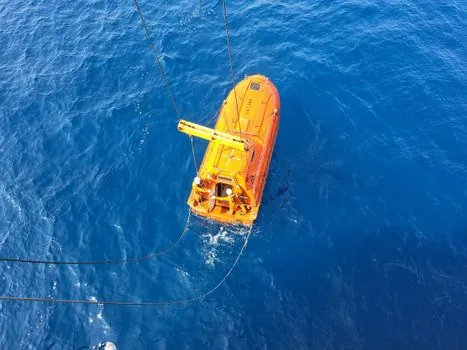
Cable-laying vessels connect floating wind turbines to an offshore substation, connect that substation to the landfall transition joint, and install export cables to the onshore grid [S3][S7].
Simultaneous lay and burial protects the cable immediately, while projects using post-lay burial require a separate operation after the cable has been positioned [S3]. That difference changes the required equipment, vessel duration, and number of supporting anchors. A cable-laying booking that ignores the burial method risks reserving the wrong vessel spread or an insufficient duration.
The practical lesson is straightforward: vessel capability, seabed access, propulsion, and installation method must be aligned before a long-lead slot is committed.
Cost, Availability, and Contract Structure
That rate makes duration control a material commercial issue, particularly when a weather-limited campaign is delayed or a vessel is mobilized for a schedule that has not matured.
The vessel market is not a single homogeneous pool. Nexans booked a large DP3 cable layer at Ulstein [S4]. This illustrates why vessel class, newbuild availability, and contractual structure can affect the booking route.
The cable supplier may also influence the installation package. Offshore wind projects use inter-array and export cables as part of the power-export infrastructure, and their production schedules must align with transport and installation-port availability [S2]. A vessel booking is therefore a schedule interface between cable manufacturing, marine logistics, port call, and grid-connection commissioning, not merely a reservation of tonnage.
Book for the Actual Installation Scope
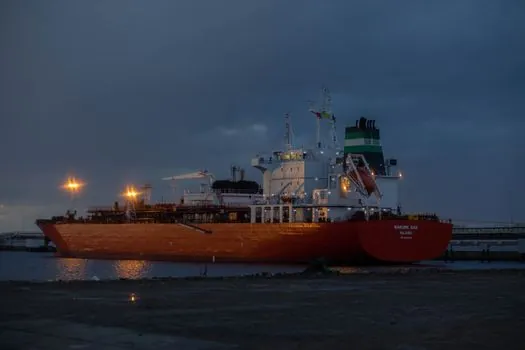
The suitable booking window is tied to the cable order: cable can be ordered three to four years ahead, and a change in that slot shifts commissioning hiring [S6]. Developers should build a coordinated schedule that links cable manufacturing, vessel booking, shore-side preparation, installation sequence, weather contingency, and commissioning support.
Book too early without a defensible scope, and the project may secure an unsuitable draft, carousel, crane, burial-tool, or support-vessel configuration. Book late after the cable slot is fixed, and the project may face a constrained market, no suitable installation vessel, or a vessel hold that extends commissioning personnel planning. The procurement question is therefore not simply when a slot is free, but whether the booked spread matches the cable route, seabed conditions, water depth, burial method, weather limits, and grid-connection sequence [S2][S3][S5].
Engineering teams should also compare installation vessels alongside the wider project logistics. Vessel selection for turbine installation has different load, stability, and deck-area constraints, as covered in Jack-Up Vessel Selection for 15 MW Turbine Installation. A cable-laying booking should be assessed on cable capacity, route access, propulsion, handling equipment, and support-vessel requirements rather than inferred from turbine-installation vessel availability.
Two trackable signals will confirm whether a booking remains credible: the manufacturer’s cable delivery schedule and the vessel contract’s mobilization, operating, and weather-contingency dates. If either moves outside the agreed installation window, the commissioning plan and supporting offshore hiring plan must be re-sequenced before personnel and port slots are committed.