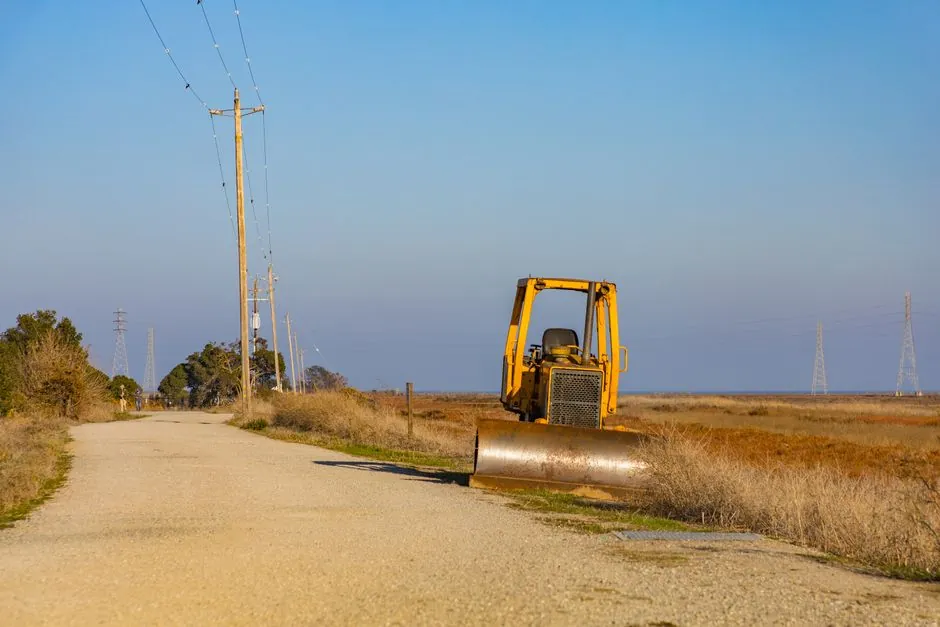
Industry guidance identifies seven common bulldozer maintenance mistakes that account for roughly 78% of preventable bulldozer failures [S1].
Across surveyed fleets, those same seven maintenance mistakes were associated with a 45% reduction in annual equipment maintenance cost when systematically eliminated, while the largest single share of unscheduled downtime traced back to fluid contamination in the hydraulic circuit [S1][S2]. For a working bulldozer on a construction site, that means the prevention plan matters more than the replacement cycle.
The Seven Failure Modes That Dominate Field Data
Bulldozer downtime clusters into seven recurring failure buckets: engine starting issues, overheating, hydraulic system failures, undercarriage wear, transmission issues, steering problems, and electrical system faults [S6]. Hydraulic failures alone are most often traced to four upstream causes: fluid contamination, worn hoses, neglected maintenance, and hydraulic leaks [S2].
Brake and hydraulic system malfunctions, alongside engine problems, account for the bulk of mechanical-failure accidents documented in litigation records, with brake wear, hydraulic line leaks, and engine overheating listed as the leading root causes [S4]. On tracked machines, the undercarriage is the highest-wear cost line, since tracks, idlers, rollers, and the final drives carry the full machine mass and absorb ground-impact loads. Transmission and steering faults trail the top three but still rank ahead of electrical faults in the field-failure frequency list [S6].
Hydraulic System: Contamination, Pressure Loss, and Pump Failures
Hydraulic failures typically present as one of three symptoms: pressure loss from leaking lines, component damage from contaminated fluid, or sudden loss of attachment control from pump failure [S4]. The leading contamination vectors are dirt ingestion through worn seals, water from condensation or rain exposure, and metallic particles from internal pump wear.
Hydraulic cylinders are also exposed to abrasion damage from mud, dust, and debris striking the rod surface, so keeping the cylinder exterior clean is a direct contamination-control step, not just a cosmetic one [S5]. A 10-micron cleanliness target for the return filter is a common OEM benchmark for heavy-equipment hydraulic circuits, though the exact specification must be taken from the model-specific service manual. Hoses, fittings, and the pump inlet screen should all be inspected on the same shift cadence as engine fluids because contamination migrates from the tank to the pump within hours of normal operation [S2][S5].
Engine and Cooling: Overheating, Fuel, and Electrical Faults
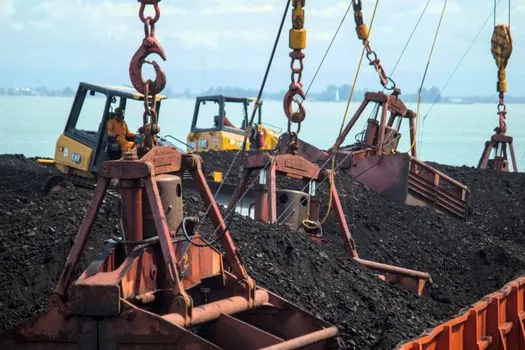
Engine overheating on a bulldozer is almost always one of three root causes: insufficient coolant, a clogged radiator, or a failed fan drive, and any of the three can escalate to engine seizure if not caught within minutes of the warning light [S4]. Clogged fuel filters, fuel pump failures, and contaminated fuel add to the engine-side failure list and can present as hard starting, stalling under load, or rough idle.
Electrical faults are increasingly common on modern dozers because engine, transmission, and emission controls all share a single CAN-bus architecture: a loose battery terminal or a corroded ground strap can disable the entire machine even when the components themselves are sound [S4][S5]. Daily battery-connection checks, fuel-filter inspection, and air-filter inspection are listed as the minimum pre-shift tasks to keep the engine and electrical subsystems within service limits [S5].
Undercarriage Wear: Tracks, Tension, and Final Drives
Undercarriage wear is the single largest scheduled-cost line on a tracked dozer because pins, bushings, idlers, and sprockets all wear together; running the machine with incorrect track tension accelerates wear on every one of those parts [S5][S6]. Track tension should be measured cold, before the morning shift, and re-checked once or twice through the day as ground and weather conditions change, with the correct value and tightening sequence taken from the OEM service manual for the specific model [S5].
Track cleaning at the end of each shift is a wear-control step, not just housekeeping: packed mud hides cracked pins, oil leaks, and loose bolts, and lets small defects escalate into a seized track or a thrown pin [S5]. A full track rebuild on a mid-size dozer typically costs more than a full set of hydraulic hoses, which is why undercarriage inspections are scheduled daily while most hydraulic inspections are weekly. For context on what scheduled component replacement looks like over a full service life, see this Bulldozer lifespan, service intervals and replacement guide.
Daily Inspection Tasks That Catch 78% of Failures Early

A pre-shift walkaround, battery-terminal check, air and fuel filter inspection, and a top-off of fuel and fluids form the minimum daily routine that, when applied consistently, prevents the majority of in-shift failures [S1][S5]. Oil and grease levels are checked at the same cadence: low engine oil forces the entire powertrain to work harder, accelerates wear on bearings and journals, and can cascade into a catastrophic failure within a shift [S5].
The cutting edge on the blade is also part of the daily walkaround: a worn or dull edge forces higher engine load, increases fuel burn, and accelerates wear on the push arms and the lift cylinders, so operators are expected to visually inspect the edge before work and replace it once it falls below the OEM minimum thickness [S5]. Daily greasing of pivot pins, blade cylinders, and ripper pivots is the lowest-cost step with the highest return, because grease intervals shorter than the OEM recommendation consistently extend component life on abrasive sites. For a wider view of how wear-part selection ties into sourcing and QC on related ground-engaging tools, see this Cutting Tools from China: Sourcing Specs, Clusters, and QC Workflow.
Prevention Hierarchy: Contamination, Temperature, Corrosion, and Load
Reliable bulldozer prevention reduces four operating stressors in order: mechanical impurities, temperature, corrosion, and shock load [S3]. Reducing mechanical impurities means clean fluids, clean filters, sealed breathers on tanks and final drives, and clean work areas around the blade and ripper.
Temperature control means monitoring coolant and hydraulic oil temperature against the OEM gauge, and shutting down rather than running under load if either climbs into the red zone, because thermal damage to hydraulic seals and to engine head gaskets is cumulative and irreversible [S3][S4]. Corrosion control starts with washing the undercarriage and the engine bay, particularly after work in salty, acidic, or high-moisture environments, and is followed by protective coatings on exposed hydraulic rods [S3]. Load control is operator discipline: avoiding side-load pushes, reducing blade angle when the material does not break cleanly, and using the ripper rather than the blade for fractured rock all reduce peak shock loads on the drivetrain. Wider context on heavy equipment selection and operating categories is on the construction machinery and equipment reference page.
Liability, Records, and What a Failure Audit Actually Looks At
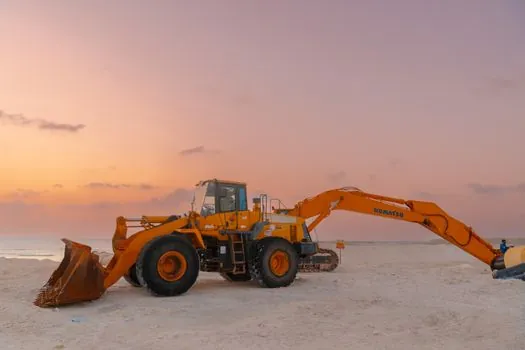
When a bulldozer fails in service, the maintenance log is the first document a regulator or insurer will pull, and gaps in that log are routinely treated as evidence of negligence rather than as a clerical oversight [S4]. Liability flows from three sources: a design or manufacturing defect (manufacturer), improper maintenance or repair (maintenance provider), and failure to inspect or remove unsafe equipment from service (employer) [S4].
A practical audit therefore reads every fluid-sample lab sheet, filter-change stamp, and torque-record entry against the OEM service interval, and flags any interval exceeded by more than 10% as a documented deviation, not as a soft warning. The same records drive the warranty decision, since manufacturers commonly deny powertrain claims when filter or oil changes are missing from the log. A working reference for reading component categories and standard spec data is the bulldozer encyclopedia page.
Track these signals going forward: OEM-issued technical service bulletins on undercarriage pin retention, ISO 4406 solid-contamination codes appearing on hydraulic fluid reports, and any revision to OSHA 1926.602(a) operator-certification language for material-handling equipment. These three nodes are where the next wave of failure-prevention guidance is most likely to surface, and each is checkable against an open public register rather than a vendor portal.
The underlying component specifications are covered under lamps and light fittings.