
A useful 2026 bulldozer pre-operation inspection is a 30-45 minute walk-around across seven zones: engine and powertrain, undercarriage and tracks, hydraulics and steering, blade and rear attachments, cab controls and safety systems, fluid levels and leaks, plus structural integrity [S2][S3][S5].
The seven zones map to the same components any bulldozer technician checks at start of shift, and a USDA Forest Service VIPR form additionally requires horsepower-vs-type verification, ROPS certification, and a Type D 87 dBA backup alarm before the machine can be released to a wildfire incident [S1]. Daily checks that catch a worn sprocket or a weeping hydraulic hose at -5°C cost less than 8 hours of track replacement at 2,400 USD per side, which is why structured checklists are mandatory on most federal and commercial fleets [S4][S7].
Engine, Powertrain, and Fluid Levels
Pre-start checks cover engine oil, coolant, fuel filters, drive belts, battery, and the air filter indicator, with any white exhaust smoke or audible blow-by flagged as a defect on the K-State SOP form [S3][S5]. Engine blow-by is logged against an OK / Defective / NIA column and is one of the strongest indicators of ring or turbo wear on used-machine evaluations [S2]. The K-State pre-operational checklist lists 14 fluid and engine items in a single block: tire condition, horn, head/tail lights, steering, warning lights, brake, fluid levels/leaks, engine, battery, hydraulic controls/pressure, console controls, attachment/mount, seatbelts, engine filters, tools, belts (alternator, fan), mirrors, and structural damage [S5]. Operators must sign and date the form before placement in the on-vehicle holder, then turn it in at end of shift, so a missing signature is itself a stop-work condition on most fleets [S5].
Undercarriage and Track Tension
Track tension, roller and idler wear, sprocket tooth profile, and debris packed between the rails are the four undercarriage data points every walk-around must capture [S7]. Track chain tension should be adjusted to the OEM sag specification, and any sprocket tooth that has worn past the tooth-tip chamfer is a reject item rather than a monitor item [S7]. On machines arriving at a federal incident, the operator must also confirm the undercarriage is free of noxious weeds and debris, since seed transport between sites is a documented compliance issue [S1]. For fleet managers tracking wear across multiple machines, the same data fields are reusable on a bulldozer resale or trade-in evaluation, where undercarriage condition dominates residual value [S2][S4].
Hydraulics, Steering, and Hoses
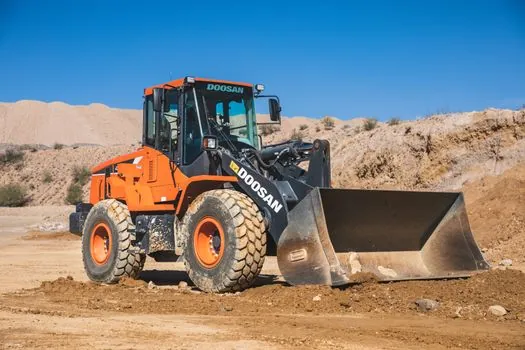
Hydraulic checks cover cylinder rod condition, hose abrasion points, fitting torque, and steering response under load, and the operator must log any slow drift or excessive heat on the tank return line [S3][S4]. A hydraulic cylinder that drifts more than 5 mm over 10 minutes with the engine off is typically flagged for seal replacement rather than re-torque [S4]. Leaks around lift cylinder glands, tilt cylinders, and ripper lift lines are the most common mid-shift defects; an active drip rate above 1 drop per minute usually takes the machine out of service until resealed [S3]. Any hydraulic anomaly should be recorded with the engine hour reading, because oil analysis intervals on most 2026-era dozer fleets are 250 hours, and trend data only matters if the inspection log is timestamped [S7].
Blade, Cutting Edges, and Rear Attachments
Blade pin and bushing play is measured by prying the blade sideways with the machine on level ground, and any visible slop greater than roughly 6-10 mm on a D6-class machine is a wear-out signal [S2][S3]. Cutting edge wear is checked against the moldboard face: most production dozers specify a 50% edge-life remaining limit before flip or replacement, and end-bit wear is logged separately because end bits protect the blade corner pocket [S4]. Rippers, winches, and GPS masts are listed by name on the Mitti community template because attachment condition materially affects both resale and incident deployment [S2]. A fresh coat of paint on a used dozer is not a substitute for an edge measurement, and experienced buyers weigh maintenance records above cosmetics when negotiating price [S4].
Cab, ROPS, and Safety Systems
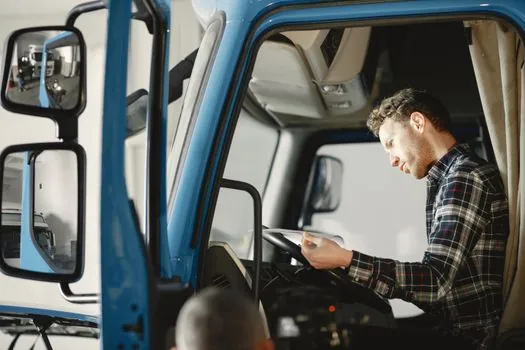
Safety-system checks include ROPS certification nameplate, FOPS where fitted, seatbelt latch and retractor, backup alarm, mirrors, head/tail lights, fire extinguisher (rated 2A 10BC and within annual inspection), and the first aid kit [S1][S3]. The VIPR fire-line checklist specifies ROPS documentation must certify the operator enclosure meets ISO or SAE safety requirements, and the backup alarm must be a Type D unit rated at 87 dBA, both of which are auditable as pass/fail [S1]. PPE staged on the machine (boots, hard hat, gloves, eye and hearing protection, headlamp with batteries) is a checklist line, not an option, on federal deployment; a missing item takes the resource out of service until the gap is closed [S1]. Lighting must include two forward and two rear units with illumination reaching beyond the blade, which is tested by walking the work area at start of shift [S1].
Acceptance Criteria and When to Stop the Machine
Acceptance criteria fall into three bands: pass (no defect noted), monitor (defect logged, machine released, re-check at next interval), and stop-work (defect that violates a regulatory or OEM threshold) [S3][S5]. Stop-work conditions include ROPS nameplate missing or illegible, backup alarm below 87 dBA, fire extinguisher past its annual tag, any active hydraulic drip above 1 drop per minute, sprocket teeth worn past chamfer, and structural cracks in the main frame or track frame [S1][S3][S7]. For used-machine purchase, a stop-work reading on engine blow-by, transmission shift quality, or undercarriage wear should trigger price negotiation or walk-away rather than a repair estimate, because the cost of a full undercarriage rebuild can exceed the residual value of a 10,000-hour machine [S2][S4]. K-State's SOP escalates any uncorrected deficiency to lock-out/tag-out of the machine until the bulldozer operations standard of practice is satisfied, which is the standard handoff to maintenance on most regulated fleets [S5].
Sourcing, Standards, and Trackable Signals
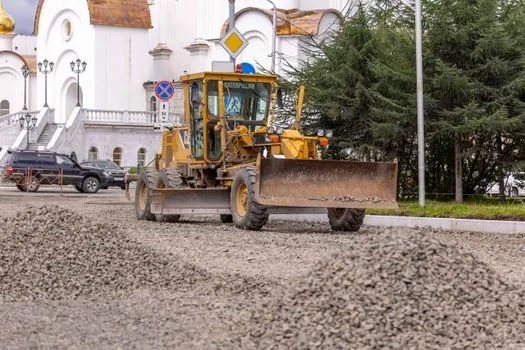
Standards underpinning a compliant dozer inspection include the USDA Forest Service VIPR Dozer Incident Inspection Checklist (rev. July 2022), the K-State AgSafe Bulldozer SOP pre-operational form, OSHA Machine Guarding Guidelines, and the NIOSH Heavy Equipment Safety Program [S1][S3][S5]. ROPS and FOPS conformance is verified against the manufacturer's ISO or SAE certification plate, while backup alarm and fire extinguisher ratings follow the explicit thresholds stated on the VIPR form [S1]. Two trackable signals for fleet managers in the rest of 2026 are the rollout of the Cat Inspect mobile app for digital walk-around capture and the wider adoption of 250-hour hydraulic oil analysis intervals as default OEM service intervals [S6][S7]. A useful next read for buyers tracking whole-life cost is the Bulldozer Lifespan, Service Intervals and Replacement Guide, and for new-site acceptance the Bulldozer commissioning in 2026: site-prep gates, force tests, handover artefacts piece maps directly onto the same seven inspection zones.
Spec-level background on the components involved: pressure transmitter, and flow meter.