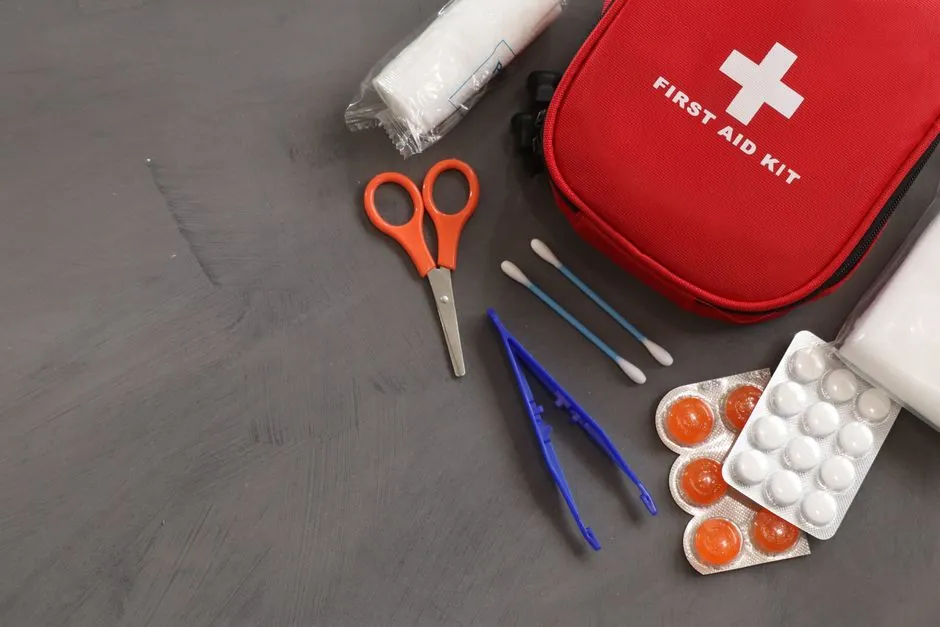
A 2.5% calcium gluconate gel is the first-line topical treatment for hydrofluoric acid (HF) skin burns, and laboratories or industrial sites that store or use HF gas or solutions should keep that gel inside a dedicated first aid kit on the workstation [S3]. A typical pocket-format pack is the 25 g tube, with wall-mountable kits bundling four 25 g tubes plus a pair of applicator gloves [S4].
HF is unusual among mineral acids because dermal contact may produce little immediate pain yet continues to drive fluoride ions through tissue, extracting calcium and progressively damaging deep structures including bone [S1][S3]. A ready-to-use gel formulation allows the responder, or the casualty themselves, to begin treatment in seconds, which is why workplace HF procedures and EHS guidance documents consistently specify the gel as part of the first aid kit inventory rather than relying on improvised compresses.
Why 2.5% gel is the standard concentration
Multiple regulatory and academic sources converge on a 2.5% calcium gluconate concentration as the operational standard for HF skin exposure. The 2006 AGEPS controlled study on Wistar rats burned with 60 microlitres of 40% HF solution applied 1 g of 2.5% gel per lesion for 4 days and showed a measurable reduction in burn severity score versus untreated controls [S1]. A 2012 Calgonate product specification lists the active ingredient as 2.5% calcium gluconate in a sturdy 25 g tube, with no mixing required before application [S2].
The water-based gel vehicle is a deliberate choice: it keeps the active salt in contact with the burn surface while remaining easy to massage into skin and easy to wash off if a clinician later needs to inspect the wound [S9]. University EHS programs state explicitly that the gel should be massaged onto the affected skin immediately after a 5 minute water flush, and that the responder should themselves wear gloves to avoid a secondary HF exposure [S3]. This combination of fixed concentration, ready-to-use format, and water-miscible carrier is what separates calcium gluconate gel from improvised home remedies such as benzalkonium chloride soaks.
Selection criteria for an HF-specific first aid kit
Specifiers should compare HF gel kits against four practical decision criteria: dose format, ancillary contents, mounting location, and shelf-life discipline. On dose format, single-dose 25 g tubes are the dominant SKU in both US and UK catalogues [S2][S4][S9], and a single Calgonate tube is sized for one localised burn on a hand or forearm rather than for a whole-body event. A ready-mixed gel is strongly preferred over pharmacy-compounded alternatives because it removes the responder error of weighing calcium gluconate powder under stress.
On ancillary contents, the four-tube wall kit (4 x 25 g gel + 2 pairs of gloves, around 44 GBP at retail in 2025) is the minimum for a fixed HF workstation [S4], while the larger Calgonate ANSI Z308.1 Class A kit adds more than 75 items including two gel tubes for sites that want a single box covering both HF and general workplace first aid [S2]. Mounting matters: a wall bracket keeps the kit visible and within reach of the HF hood, fume cupboard, or acid dispensing station, which is exactly the response-time window a 5 minute flush and gel application demands [S3][S4].
Shelf-life discipline is the criterion most often neglected. UCR EHS guidance is explicit: if the calcium gluconate in the kit is more than a year old, it must be replaced, because the active salt can precipitate or degrade and the responder will not detect this by visual inspection [S3]. Procurement should therefore tag every tube with a lot/expiry date on receipt and write the replacement month directly on the wall bracket.
Comparison of HF gel kit options
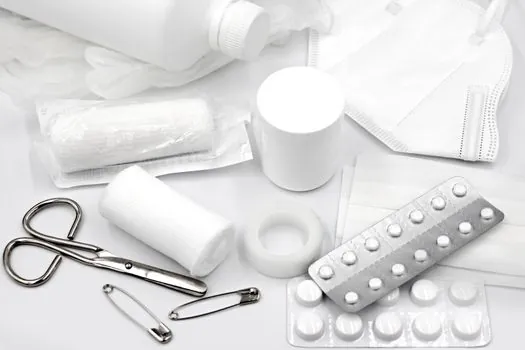
The main options available to a UK or European buyer in late 2025 are: (1) the Calgonate 25 g tube sold individually or as part of the 75+ item ANSI Z308.1 Class A kit; (2) the Blue Dot / H-F Antidote 25 g tube sold singly, in 12-packs, or bundled into a four-tube wall-mount kit; and (3) bulk calcium D-gluconate 2.5% gel supplied through laboratory distributors such as Fisher Scientific as part of a 30+ item safety kit [S2][S4][S7]. All three options share the 2.5% w/w active concentration and a water-miscible gel base; the differences are mostly in packaging, accessory content, and the audit trail on the certificate of analysis.
For semiconductor fabs, mineral processing labs, and glass etching lines where exposure potential is routine, a wall-mounted multi-tube kit at every wet bench is more defensible than a single shared box in the corridor. For mobile field crews servicing HF-containing refrigeration or alkylation units, a 25 g pocket tube on each technician's belt is the lower-friction option and matches the response time the 5 minute water-flush protocol assumes.
Limitations, failure modes, and escalation rules
Calcium gluconate gel is a first-aid measure only, not definitive medical care. Duke University's recommended treatment protocol states that any HF burn which does not respond to calcium gluconate gel, or to benzalkonium chloride soaks or compresses, within 30 minutes must be escalated to a clinician for parenteral calcium gluconate injection [S6]. Honeywell's medical treatment guide echoes the same threshold, calling for 2.5% to 5% calcium gluconate injection when soaks or gel fail to relieve pain within 30 to 40 minutes [S8].
Three failure modes recur in incident reports. First, late recognition: HF burns can be deceptively painless at low concentration, so a worker who does not realise they have been splashed may not initiate the gel protocol at all. Second, expired stock: gel tubes older than 12 months have reduced activity and can give a false sense of coverage [S3]. Third, eye and inhalation exposure: gel is for skin only; ocular exposure requires at least 5 minutes of gentle water flush with ice compresses during transport, and inhalation requires immediate evacuation to fresh air and a 911 call rather than any gel [S3]. The responder's glove use during application is itself a documented control, because HF residue on the casualty's skin can transfer to the responder's hands and start a second burn.
Standards, sourcing, and procurement records
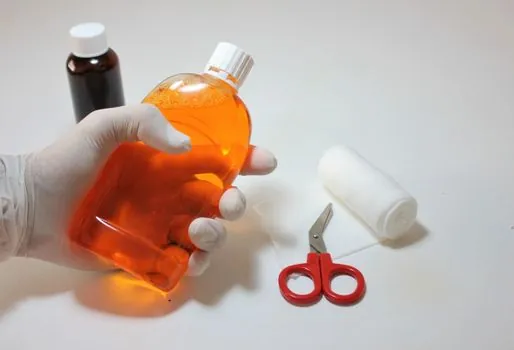
There is no single ISO or EN standard that mandates 2.5% calcium gluconate gel; instead, the specification is a consensus of EHS guidance, peer-reviewed experimental work, and medical treatment protocols from major universities and chemical companies. The 2006 AGEPS experimental study remains the most cited controlled work on the 2.5% gel, using a 4 cm squared lesion model in 250 g Wistar rats and tracking visual severity scores out to day 17 [S1]. Fisher Scientific's safety kit documentation lists the gel as Calcium D-gluconate 2.5% w/w, confirming the active species and concentration that downstream safety data sheets are written against [S7].
For an audit-ready first aid kit at an HF-handling site, the procurement file should contain: the certificate of analysis showing 2.5% w/w calcium D-gluconate; the manufacturer's safety data sheet; the lot number and expiry; and a written replacement policy with a 12 month maximum in service, mirroring the UCR EHS rule [S3]. Kits sold for general workplace first aid that do not include calcium gluconate, including most generic BS 8599-1 compliant kits, do not satisfy HF-specific risk assessments and should be supplemented rather than relied on.
Who this kit is for, and who it is not for
An HF-specific calcium gluconate gel kit is for fixed and mobile work sites that handle HF in any form, including semiconductor wet benches, glass and crystal etching lines, mineral processing laboratories, alkylation and HF alkylation units in refineries, roof cleaning and stain removal crews using HF-based brighteners, and any academic or industrial lab using HF gas or solutions above trace quantities [S3]. It is also for first aiders at sites that store HF cylinders or bulk tanks, even if those containers are unopened, because a valve or fitting failure can still produce a localised exposure to a passing worker.
The kit is not for sites that handle only dilute mineral acids such as hydrochloric or sulphuric acid, where a standard first aid kit and water flush are sufficient, and the cost and shelf-life overhead of a calcium gluconate SKU is not justified. It is also not a substitute for clinical care: any exposure that produces more than a small, well-localised skin burn, or any exposure involving the eye, inhalation, ingestion, or a fingernail bed, must be referred to a medical professional even after the gel has been applied, per the Duke and Honeywell escalation thresholds [S6][S8].
Two trackable signals for the next procurement cycle: the publication of any updated consensus statement on HF first aid from the American College of Medical Toxicology or the European Chemicals Agency, and the appearance of combined HF/neutralising sorbent spill kits that bundle calcium gluconate gel with a fluoride-binding absorbent for clean-up crews working in the same room as the burn kit.
The underlying component specifications are covered under aerial work platform, and aerial work truck.
For related coverage, see Chemical anchor selection for warehouse pallet racking: resin type, substrate, and load.