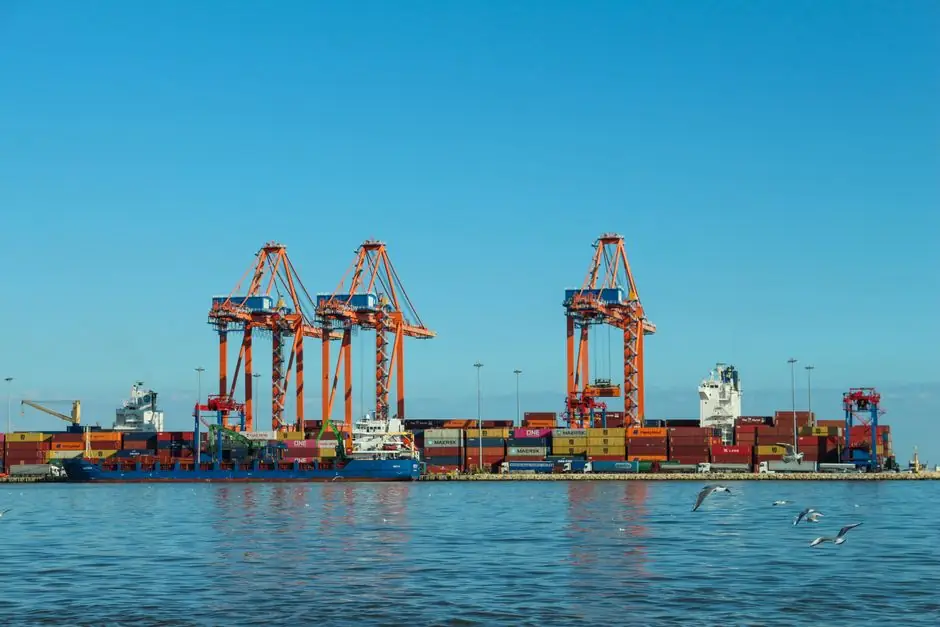
Port-side filling and packing lines typically run rotary or in-line capping machines at 30 to 1,200 containers per minute, with beverage applications reaching 60,000 to 72,000 bottles per hour and pharmaceutical lines held to torque accuracy within 5 percent of setpoint [S4][S5].
Selection at a port hub is driven by five binding constraints: container and closure geometry, throughput target, sealing integrity (hermetic, tamper-evident, or child-resistant), the regulatory regime of the destination market (ISO 22000, FSSC 22000, cGMP, or hazardous-area zoning), and integration with the upstream filler, labeler, and downstream palletizer [S5][S7].
Closure Mechanism Families Used in Export-Pack Lines
Screw cappers, snap-on cappers, plug cappers, and roll-on or crimp cappers are the four dominant closure families, with chuck and spindle drives applying torque across a typical 0.5 to 20 N·m range depending on cap diameter and thread design [S4][S8].
Screw cappers remain the workhorse for beverages, condiments, and chemicals, using multiple rotating spindles driven by servo or clutch systems; torque accuracy within 5 percent of setpoint is the pharmaceutical benchmark and is increasingly demanded on cosmetic and food lines as well [S2][S5]. Snap-on cappers apply a controlled vertical force rather than rotation, making them suited to sports caps, dispensing pumps, and decorative closures; plug cappers handle vials and dropper bottles where sterility dominates; roll-on or crimp cappers form the aluminum closure on glass bottles for wine, spirits, and injectable vials [S2][S4].
Throughput Bands and Container Geometry
Container diameter 15 to 150 mm and height 30 to 300 mm define the standard change-part envelope, with custom configurations reaching 200 mm diameter and 350 mm height; production speed 30 to 600 containers per minute covers most general-pack lines, while rotary beverage systems reach 1,200 containers per minute and high-speed bottle lines 60,000 to 72,000 bottles per hour [S5][S8][S9].
Round, square, and oval containers are all handled by adjustable starwheels or quick-release change parts, but a square container in a rotary starwheel reduces indexing speed by 20 to 40 percent versus a round bottle of the same volume; this is a frequent port-line surprise when SKUs are added without revisiting the capper sizing [S9]. For mixed-format export operations, a dual-head inline capper with servo-driven spindles running 500 to 3,000 RPM is the most common compromise, accepting a moderate ceiling on speed in exchange for format flexibility [S8].
Torque, Drive, and Control Architecture

Servo-controlled spindles at 500 to 3,000 RPM with programmable torque from 0.5 to 20 N·m and a typical rejection rate of 0.5 percent are the baseline specification for a modern automatic capper, with pneumatic standby drawing 0.5 to 2.0 m³/h of compressed air [S5][S8].
Cap feeding is the second control variable: gravity-fed systems suit large, stable caps; vibratory bowl feeders dominate for press-on and child-resistant closures where orientation is non-trivial; elevator-fed systems are specified when caps are nested or stack-packed to reduce changeover downtime on export lines that switch between 28 mm ROPP, 38 mm tamper-evident, and pump closures within the same shift [S4]. PLC plus HMI control, with torque feedback per spindle and automatic rejection of low-torque or high-torque units, is now standard; pharmaceutical lines additionally require audit trails and recipe locking to cGMP documentation discipline [S5][S7].
Selection by Industry and Destination-Market Regime
ISO 22000 and FSSC 22000 govern food and beverage lines, demanding hygienic design with no product contamination risk; cGMP adds torque validation and documentation for pharmaceutical vials and oral liquids; hazardous-area lines (solvents, lubricants, aerosol propellants) require explosion-proof cappers and corrosion-resistant contact parts [S5].
The right capper family ties to the product matrix: beverage (screw, ROPP) at high speed; pharmaceutical (child-resistant, crimp) at moderate speed with validation; cosmetics and personal care (pump, mist sprayer) at 30 to 120 containers per minute with gentle handling; chemicals (high-neck screw, tamper-evident) at 500 to 6,000 containers per hour with ATEX-rated electricals for EU-bound hazardous cargo [S4][S5]. Port logistics adds a layer most inland plants ignore: the same line may pack for food, cosmetic, and chemical SKUs within one shift, so changeover time, cap-feeding flexibility, and CIP or wash-down capability matter as much as peak speed [S5][S6].
Integration, Throughput, and a Comparison Matrix
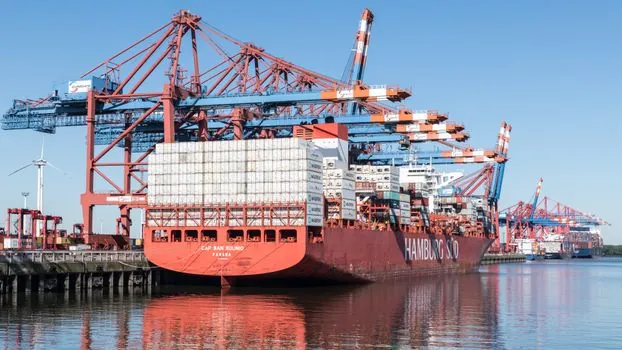
A rotary capper outperforms an inline capper above roughly 200 containers per minute, while an inline capper wins below that threshold on footprint, changeover time, and price; multi-head in-line cappers with 4 to 8 spindles close the gap for medium-throughput export lines [S4][S9].
A practical comparison matrix for port-line procurement: rotary capper delivers 200 to 1,200 containers per minute, has the highest footprint and cost, suits a single dominant SKU; inline single-head delivers 30 to 120 containers per minute, is the most flexible, suits mixed SKU; inline multi-head delivers 100 to 600 containers per minute, balances speed and flexibility; semi-automatic benchtop delivers 10 to 30 containers per minute and is the only sensible choice for sampling lines, pilot runs, and low-volume re-export operations [S4][S9]. For logistics-focused packaging integration, the capping and sealing machine reference and the sealing encyclopedia entry set the terminology; for the logistics and outbound packaging context, the logistics packaging page covers the upstream and downstream station interface.
Procurement Pitfalls and Trackable Signals
Mis-sizing the capper for the dominant SKU, ignoring air supply for pneumatic units, and under-specifying the rejection system are the three most common port-line procurement errors; verifiable signals to watch are torque accuracy within 5 percent, rejection rate at or below 0.5 percent, changeover time under 15 minutes, and validated CIP or wash-down for food and pharmaceutical SKUs [S5][S8].
Buyers should request the OEM's test protocol against ASTM D4169 for shipping simulation, confirm spindle RPM and torque range with named numerical values, and demand a documented CIP or wash-down procedure where food or pharmaceutical SKUs are in the mix; an audit-friendly PLC plus HMI platform with recipe locking is a near-mandatory requirement for any line packing to cGMP or to EU hazardous-area codes [S4][S5][S7]. Related port-and-industry procurement notes appear in the chemical-shipping capping and sealing machine spec map, which covers the hazardous-area subset in detail, and in the capping and sealing reference chapter on selection decision factors.